Persian Gardens: The Modern Revival – A Symbol of Paradise

mistressesanonymous.com – The Persian garden, known for its exquisite design, lush greenery, and serene beauty, has long been considered a symbol of paradise on earth. Rooted in centuries of Persian culture and history, these gardens reflect a deep connection to nature and spiritual ideals. The concept of the Persian garden has not only shaped the landscape of Iran but has also influenced garden design across the Islamic world and beyond, including places like India and Europe.

The Origins of Persian Gardens

The history of Persian gardens dates back to ancient times, with their roots in the Achaemenid Empire (550–330 BCE) under rulers like Cyrus the Great and Darius I. The term “paradise” itself comes from the Persian word pairidaeza, meaning a walled enclosure or garden. Ancient Persian gardens were designed to provide an oasis of peace and tranquility in the arid landscapes of Iran, offering a space for relaxation, contemplation, and spiritual connection.

Gardens in ancient Persia were often walled, reflecting the concept of a paradise that was both protected and ordered. The division of space into geometric sections symbolized harmony and balance, while water, trees, and plants were seen as representations of life, fertility, and renewal.

The Chahar Bagh Design: The Heart of Persian Gardens

One of the most distinctive features of Persian gardens is the chahar bagh design, meaning “four gardens.” This layout divides the garden into four quadrants, symbolizing the four elements (earth, water, air, and fire) or the four seasons. At the center of the garden is often a pool or fountain, with channels of water flowing through the quadrants in a cross pattern.

Water played a central role in Persian gardens, both as a practical necessity in the arid climate and as a symbolic element. Flowing water represented the flow of life, purification, and divine sustenance. The presence of water in the garden also served to cool the air, creating a pleasant and refreshing atmosphere in the often-hot climate of Iran.

The chahar bagh design reflected not only physical order but also spiritual harmony. The geometry and symmetry of the gardens were intended to evoke a sense of unity between nature and the divine, embodying the Persian ideal of paradise.

Symbolism in Persian Gardens

Persian gardens were deeply symbolic, representing a connection between humanity, nature, and the divine. Gardens were often viewed as earthly representations of heaven or paradise, which is reflected in Persian literature and religious texts. The emphasis on symmetry and the use of water, plants, and shade were meant to evoke the idea of eternal bliss and peace.

Trees were an essential element of Persian gardens, representing life, wisdom, and strength. Cypress trees, for example, were often planted to symbolize eternity and resilience, while fruit trees represented abundance and nourishment. Flowers, particularly roses, symbolized beauty and love, and their vibrant colors added to the visual allure of the gardens.

Persian gardens also played an important role in Persian poetry and literature. Poets like Hafez, Saadi, and Rumi often used the imagery of gardens to convey spiritual and romantic themes. The garden became a metaphor for the soul’s journey toward enlightenment and love.

The Role of Water in Persian Gardens

Water is a defining feature of Persian gardens and serves both practical and symbolic purposes. In the dry, arid landscape of Iran, water was essential for sustaining life, and the clever use of irrigation systems, such as the qanat (underground channels), allowed the gardens to flourish.

In Persian gardens, water is often found in the form of pools, fountains, and running streams. These water features create a soothing and cooling atmosphere, making the garden a refreshing retreat from the heat. Symbolically, water represents purification, renewal, and the flow of life. In Islamic tradition, water is also associated with spiritual purity and is often featured in religious architecture and garden design.

The sound of flowing water and the reflective surfaces of pools added to the sensory experience of the garden, enhancing its peaceful and meditative qualities. Water’s reflective surface also created a sense of infinity, further emphasizing the garden’s representation of paradise.

Famous Persian Gardens

Some of the most iconic examples of Persian gardens have been preserved and celebrated for their beauty and historical significance. These gardens reflect the artistic and architectural achievements of Persian culture throughout different dynasties, including the Safavid, Timurid, and Qajar periods.

  1. Bagh-e Fin (Fin Garden) Located in the city of Kashan, Fin Garden is one of the most famous examples of a Persian garden. It dates back to the Safavid period (16th century) and features the traditional chahar bagh design, with flowing water, fountains, and lush greenery. The garden is also significant for its historical connections, including being the site of the assassination of Prime Minister Amir Kabir in the 19th century.
  2. Shah Goli (El Goli Garden) Situated in the city of Tabriz, Shah Goli is a magnificent garden featuring a large central pool and walkways lined with trees. Originally created during the Safavid period, the garden has been restored and remains a popular recreational area for locals and tourists alike.
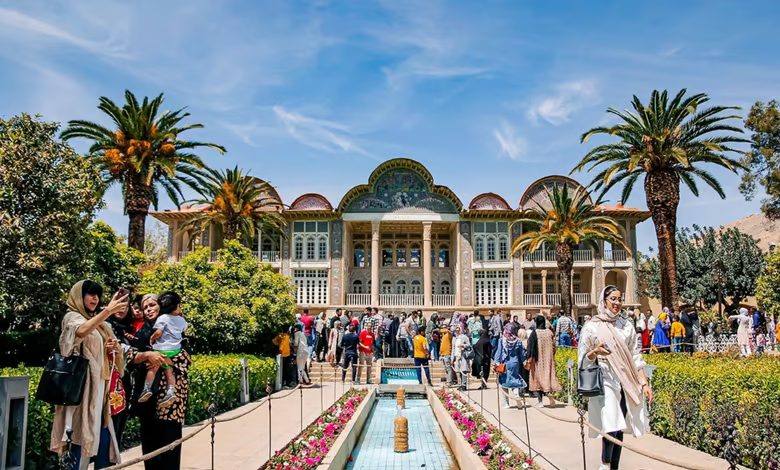
  3. Eram Garden (Bagh-e Eram) Located in Shiraz, Eram Garden is a stunning example of Persian garden design with its lush greenery, colorful flowers, and flowing water channels. The garden is part of a larger complex that includes a beautiful Qajar-era palace, and it is a UNESCO World Heritage Site.
  4. Chehel Sotoun Garden Located in Isfahan, Chehel Sotoun is a palace garden constructed during the Safavid era. The name “Chehel Sotoun” means “Forty Columns,” referring to the twenty columns of the palace that are reflected in the pool, creating the illusion of forty columns. The garden exemplifies the grandeur and elegance of Safavid architecture and landscaping.

Persian Gardens’ Influence on Global Garden Design

The concept of the Persian garden extended far beyond Iran’s borders, influencing garden design in places like India, Spain, and Italy. One of the most famous examples is the Mughal gardens in India, including the design of the Taj Mahal’s garden, which was directly inspired by Persian chahar bagh principles.

In Spain, the Alhambra gardens in Granada also reflect Persian influences, particularly in the use of water features, geometric designs, and enclosed spaces. The Persian garden’s focus on symmetry, tranquility, and the use of water and plants as metaphors for paradise has left a lasting legacy on garden design around the world.

The Modern Revival of Persian Gardens

In recent years, Persian gardens have been recognized as important cultural and historical treasures, with many being designated as UNESCO World Heritage Sites. Efforts to preserve and restore these gardens continue, ensuring that future generations can experience their beauty and significance.

Today, Persian gardens remain a source of national pride and are admired for their aesthetic qualities and deep spiritual symbolism. They offer visitors a glimpse into the ancient traditions of Iran, where nature and human creativity come together to create a harmonious and serene environment.

Conclusion

Persian gardens are more than just beautiful landscapes; they are a reflection of the cultural, spiritual, and artistic ideals of Iranian society. The emphasis on harmony, balance, and the representation of paradise on earth has made these gardens a symbol of peace and divine connection. From ancient times to the present day, Persian gardens continue to inspire and captivate, leaving an indelible mark on garden design and cultural heritage across the world.

Táchira: A Jewel of the Venezuelan Andes

mistressesanonymous.com – Táchira, a state nestled in the western highlands of Venezuela, is a region of stunning natural beauty and rich cultural heritage. Its diverse landscapes, ranging from snow-capped peaks to lush valleys, offer a captivating experience for visitors.

A Mountain Paradise

The Andes Mountains dominate Táchira’s landscape, creating a breathtaking panorama of peaks, valleys, and rivers. The state’s highest peak, Pico El Cobre, offers challenging climbs for experienced mountaineers, rewarding them with panoramic views of the surrounding region. For those seeking a more leisurely outdoor experience, Táchira’s national parks, such as the General Juan Pablo Peñaloza National Park, offer opportunities for hiking, camping, and birdwatching.

A Cultural Tapestry

Táchira’s rich cultural heritage is evident in its vibrant cities and towns. The state capital, San Cristóbal, is a bustling metropolis with a colonial-era center, historic churches, and museums. The city is also known for its lively markets, where visitors can sample local delicacies and handicrafts.

Other charming towns, such as La Grita and Rubio, offer a glimpse into traditional Venezuelan culture. These towns are known for their beautiful colonial architecture, colorful festivals, and delicious local cuisine.

A Borderland State

Táchira shares a border with Colombia, making it a strategic location for trade and cultural exchange. The international bridge connecting the two countries is a major transportation hub, facilitating the movement of goods and people. The border region offers a unique blend of Venezuelan and Colombian cultures, with influences evident in the local cuisine, music, and customs.   

A Culinary Delight

Táchira’s cuisine is a fusion of indigenous, Spanish, and Colombian influences. The state is famous for its arepas, a type of cornmeal cake, and its delicious trout dishes. Local markets offer a wide variety of fresh produce, including tropical fruits, vegetables, and herbs.

A Hidden Gem

Despite its natural beauty and cultural richness, Táchira remains a relatively undiscovered destination. However, with its stunning landscapes, friendly people, and unique cultural heritage, Táchira is poised to become a popular tourist destination. Whether you’re seeking adventure, culture, or simply a relaxing getaway, Táchira has something to offer everyone.

La Guajira: A Land of Contrasts – Indigenous Cultures

Riohacha: A Coastal Gem

mistressesanonymous.com – La Guajira, a department located in the northeastern tip of Colombia, is a region of stunning natural beauty and rich cultural heritage. Its capital city, Riohacha, is a vibrant coastal town that offers a unique blend of indigenous traditions and modern amenities.

A Desert Paradise

La Guajira is home to the vast and arid Guajira Desert, one of the most extreme environments on Earth.   

  • Cabo de la Vela: A picturesque fishing village with stunning beaches and crystal-clear waters.   
  • Punta Gallinas: The northernmost point of South America, offering breathtaking views of the Caribbean Sea.   
  • El Pilón de Azúcar: A majestic rock formation that dominates the desert landscape.

Indigenous Cultures

La Guajira is home to several indigenous communities, including the Wayuu, who have inhabited the region for centuries.   

  • Wayuu Culture: Experience the rich cultural heritage of the Wayuu people, known for their intricate handicrafts, colorful clothing, and unique music.

A Coastal Oasis

Riohacha, a coastal city with beautiful beaches and warm waters, is a popular destination for sun, sea, and sand.

  • Playa Los Naranjos: A pristine beach with calm waters, perfect for swimming and sunbathing.
  • Parque Nacional Natural Macuira: A coastal mountain range with diverse ecosystems, including mangroves, dry forests, and páramo.   

A Culinary Delight

La Guajira’s cuisine is influenced by indigenous and Spanish traditions.   

  • Seafood: Fresh seafood, such as shrimp, lobster, and fish, is a staple of the local diet.
  • Arepas: Corn cakes that can be filled with a variety of ingredients, such as cheese, meat, or avocado.   
  • Traditional Wayuu Dishes: Experience the unique flavors of Wayuu cuisine, which often features ingredients such as goat meat, yucca, and cactus.

La Guajira, with its stunning landscapes, rich cultural heritage, and warm hospitality, is a destination that will captivate your senses. Whether you’re seeking adventure, cultural immersion, or simply relaxation, La Guajira has something to offer everyone.

Ireland: The Emerald Isle – A Land of Myth and Magic

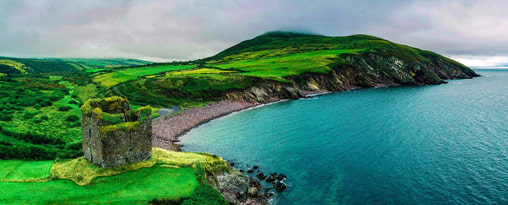
mistressesanonymous.com – Ireland, the second-largest island of the British Isles, is a land of stunning natural beauty, rich history, and vibrant culture. Known as the Emerald Isle, Ireland’s lush green landscapes, friendly people, and lively music scene make it a popular tourist destination.

A Tapestry of History

Ireland’s history is a captivating blend of Celtic mythology, Viking invasions, and British rule. Ancient Celtic traditions, such as storytelling and music, continue to shape Irish culture.

  • Celtic Mythology: Irish mythology is filled with enchanting tales of gods, goddesses, and mythical creatures.
  • Viking Era: The Vikings arrived in Ireland in the 8th century, leaving their mark on the country’s history and culture.
  • British Rule: Ireland was under British rule for centuries, leading to a complex and often turbulent history.

A Natural Beauty

Ireland’s stunning landscapes, from the rugged cliffs of the west coast to the rolling hills of the countryside, offer endless opportunities for outdoor adventure.

  • The Cliffs of Moher: One of Ireland’s most iconic landmarks, the Cliffs of Moher are a breathtaking sight.
  • The Ring of Kerry: A scenic driving route that takes visitors through picturesque villages, mountains, and coastal towns.
  • The Giant’s Causeway: A unique geological formation on the coast of Northern Ireland, consisting of thousands of interlocking basalt columns.

A Cultural Gem

Irish culture is renowned for its music, literature, and dance. Traditional Irish music, with its distinctive melodies and rhythms, is a beloved part of Irish heritage.

  • Irish Music: Traditional Irish music, including Irish folk and Celtic rock, is celebrated worldwide.
  • Irish Literature: Ireland has produced many famous writers, including James Joyce, Samuel Beckett, and Oscar Wilde.
  • Irish Dance: Irish dancing, with its energetic and graceful movements, is a popular form of dance.

A Warm Welcome

The Irish are known for their warm hospitality and friendly nature. Visitors to Ireland can expect a warm welcome and a memorable experience.

Rtanj: The Mystical Pyramid of Serbia

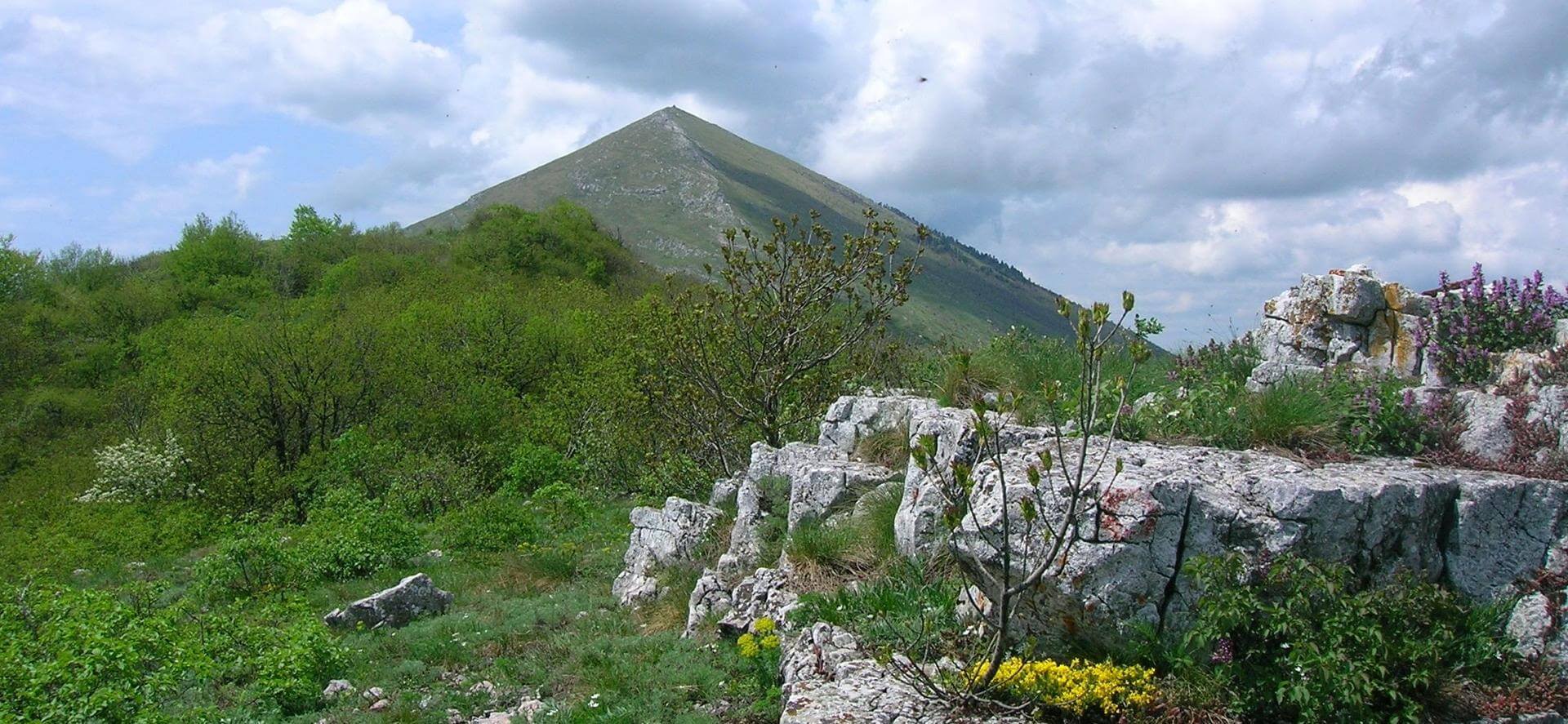
mistressesanonymous.com – Rtanj, a distinctive pyramid-shaped mountain located in eastern Serbia, has long captivated the imaginations of locals and visitors alike. Its unique shape and alleged mystical properties have made it a popular destination for nature enthusiasts, spiritual seekers, and conspiracy theorists.

A Geological Marvel

Rtanj’s pyramid-like form is a result of millions of years of geological processes. The mountain is composed primarily of volcanic rock, which has eroded over time to create its distinctive shape. While the exact mechanisms behind its formation are still debated, its striking appearance has led to numerous theories and speculations.

The Mystical Significance

Rtanj has been associated with various mystical beliefs and healing properties. Some people believe that the mountain emits positive energy, which can have a beneficial impact on physical and mental health. Others claim that the mountain has a unique electromagnetic field that can enhance meditation and spiritual practices.

One of the most popular theories about Rtanj is that it is an ancient energy center or a pyramid built by an advanced civilization. Some people believe that the mountain’s specific alignment with the Earth’s energy grid contributes to its mystical properties.

A Popular Hiking Destination

Rtanj is a popular destination for hikers and nature lovers. The mountain offers a variety of trails, ranging from easy to challenging. The most popular trail leads to the peak of the mountain, which offers stunning panoramic views of the surrounding countryside.

Visitors to Rtanj can also explore the nearby villages, which offer a glimpse into traditional Serbian culture. The region is known for its delicious food, including homemade rakija, a traditional Serbian brandy.

A Place of Peace and Tranquility

Rtanj is a place of peace and tranquility, where visitors can escape the hustle and bustle of city life. The mountain’s serene atmosphere and stunning natural beauty make it an ideal location for relaxation, meditation, and spiritual renewal.

Lviv Oblast: A Cultural and Historical Hub in Western Ukraine

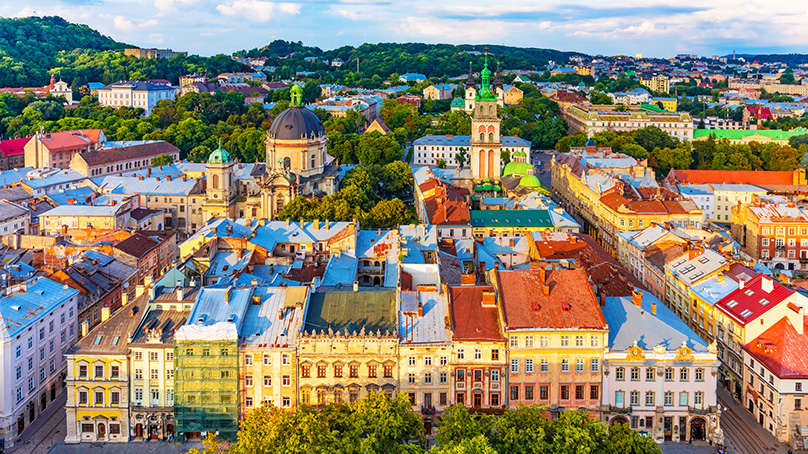
mistressesanonymous.com – Lviv Oblast is a vibrant region located in western Ukraine, known for its rich cultural heritage, historical significance, and diverse landscapes. It serves as a crucial link between Ukraine and the rest of Europe, sharing a border with Poland. The administrative center of the oblast is the city of Lviv, a major cultural and economic hub.

Geography and Climate

Lviv Oblast encompasses a variety of terrains, including the picturesque Carpathian Mountains in the south and fertile plains in the north. This diversity contributes to a mild continental climate, with cold winters and warm summers, making it an attractive destination for tourists year-round.

Historical Background

Lviv Oblast has a storied past, having been under the rule of several states throughout history, including the Kingdom of Galicia-Volhynia, the Polish-Lithuanian Commonwealth, the Austro-Hungarian Empire, and the Soviet Union. This diverse history is reflected in the region’s architecture, language, and cultural practices, creating a unique blend of Eastern and Western European influences.

Cultural Significance

The oblast is renowned for its cultural offerings, with Lviv city being a UNESCO World Heritage site due to its well-preserved medieval architecture. The area is home to numerous theaters, museums, and art galleries, as well as annual festivals celebrating everything from classical music to traditional Ukrainian crafts. The multicultural heritage is evident in the region’s cuisine, languages, and traditions.

Economic Contributions

Lviv Oblast plays a significant role in Ukraine’s economy, with industries ranging from IT and manufacturing to agriculture and tourism. The proximity to the European Union has fostered cross-border trade and investment, contributing to the region’s economic growth and development.

Conclusion

Lviv Oblast stands as a testament to the rich tapestry of Ukrainian history and culture. Its blend of natural beauty, historical depth, and cultural vibrancy makes it a fascinating region that continues to attract visitors and investors alike. Whether exploring the cobblestone streets of Lviv city or hiking in the Carpathian Mountains, Lviv Oblast offers a unique window into the heart of Ukraine.

Exploring the Hidden Charms of Beni Suef

mistressesanonymous.com – Beni Suef, a city located in Upper Egypt along the Nile River, offers a unique blend of history, culture, and natural beauty. Although it may not be as widely known as other Egyptian cities, Beni Suef has its own attractions that make it worth a visit.

Historical Significance

Beni Suef has a rich history that dates back to ancient times. The area was known for its strategic importance due to its location along the Nile. Today, visitors can explore various archaeological sites that reflect its past significance. The Meidum Pyramid, located just outside the city, is one of Egypt’s oldest pyramids and offers insight into the early developments of pyramid construction.

Cultural Heritage

The cultural landscape of Beni Suef is vibrant and deeply rooted in traditional Egyptian life. The city hosts numerous local festivals and events that showcase its heritage. These celebrations often include music, dance, and traditional crafts, providing visitors with an immersive experience of local culture.

Natural Attractions

Beni Suef is surrounded by beautiful natural landscapes. The nearby Fayoum Oasis offers lush greenery and tranquil lakes, making it a perfect spot for nature enthusiasts. Birdwatchers will also find the area appealing, as the wetlands attract a variety of migratory birds.

Modern Development

In recent years, Beni Suef has seen significant development, with improvements in infrastructure and educational institutions. The Beni Suef University is a center of learning and research, contributing to the city’s growing reputation as a hub for education and innovation.

Conclusion

Beni Suef may not be as famous as Egypt’s larger cities, but it offers a unique glimpse into the country’s rich history and culture. With its archaeological sites, cultural festivals, and natural beauty, Beni Suef provides a rewarding experience for those looking to explore beyond the usual tourist trails. Whether you’re interested in history, culture, or nature, Beni Suef has something to offer every traveler.

Discovering Sa Kaeo: Gateway to Thailand’s Eastern Wonders

mistressesanonymous.com – Sa Kaeo, a province in eastern Thailand, is known for its rich blend of cultural heritage, natural beauty, and strategic location near the Cambodian border. Despite being lesser-known compared to other Thai provinces, Sa Kaeo offers a unique travel experience filled with historical intrigue and scenic landscapes.

Historical and Cultural Significance

A Crossroads of History

Sa Kaeo has long been a historical crossroads due to its proximity to Cambodia. This strategic position has endowed the province with a rich tapestry of cultural influences. The area is dotted with ancient Khmer ruins, reflecting the historical connections between Thailand and Cambodia.

Key Historical Sites

Prasat Sdok Kok Thom is one of Sa Kaeo’s most significant historical sites. This ancient Khmer temple, built during the Angkor period, features intricate carvings and a tranquil setting that provides insight into the architectural prowess of the Khmer Empire.

Natural Attractions

Pang Sida National Park

Pang Sida National Park, a UNESCO World Heritage Site, is a highlight of Sa Kaeo’s natural offerings. The park is renowned for its diverse wildlife, including elephants, gibbons, and a variety of bird species. Its lush forests and picturesque waterfalls, such as the Pang Sida Waterfall, make it a haven for nature lovers and outdoor enthusiasts.

Ta Phraya National Park

Adjacent to Pang Sida, Ta Phraya National Park offers additional opportunities for trekking and wildlife observation. The park’s dense forests and rugged terrain provide a perfect backdrop for exploring the region’s natural beauty.

Cultural Experiences

Local Festivals and Traditions

Sa Kaeo hosts several vibrant festivals that showcase its cultural heritage. The annual Red Cross Fair, for instance, features traditional performances, local crafts, and delicious regional cuisine. These events offer visitors a chance to immerse themselves in the local way of life.

Unique Handicrafts

The province is also known for its distinctive handicrafts, such as basket weaving and silk production. Visitors can explore local markets to find unique souvenirs and witness the skills of local artisans firsthand.

Conclusion

Sa Kaeo, with its blend of historical sites, natural parks, and cultural experiences, offers a captivating journey for travelers seeking to explore Thailand’s eastern regions. Whether you’re delving into ancient history, enjoying the great outdoors, or experiencing the local culture, Sa Kaeo promises a rich and rewarding travel adventure.

Discovering Buriram: Thailand’s Cultural and Sporting Hub

mistressesanonymous.com – Buriram, a vibrant province in northeastern Thailand, is renowned for its rich cultural heritage and its rising status as a sporting destination. Known as the “City of Happiness,” Buriram offers visitors a mix of historical sites, modern attractions, and a deep-rooted connection to Thailand’s cultural past.

Historical Significance and Ancient Temples

Buriram is steeped in history, with significant archaeological sites that date back to the Khmer Empire. The most famous of these is Phanom Rung Historical Park, an ancient Khmer temple complex situated on an extinct volcano. This architectural marvel is a testament to the region’s historical importance and offers breathtaking views of the surrounding landscape. Another notable site is the Muang Tam Sanctuary, known for its intricate stone carvings and serene atmosphere.

Modern Attractions and Sporting Achievements

In recent years, Buriram has become a hub for sports enthusiasts. The Buriram International Circuit, also known as Chang International Circuit, hosts international motor racing events, including MotoGP and Super GT. This modern facility has put Buriram on the map for motorsport fans around the world. Additionally, Buriram United, the province’s football team, has achieved national fame and plays at the impressive Chang Arena, further enhancing the province’s reputation as a sports destination.
Cultural Experiences and Local Traditions

Buriram offers a rich tapestry of cultural experiences. Visitors can explore local markets, where traditional crafts and textiles are sold, or attend vibrant festivals like the Buriram Marathon and the Phanom Rung Festival, which celebrates the alignment of the sun through the temple’s doorways, a phenomenon that occurs only a few times a year.

Natural Beauty and Outdoor Activities

Beyond its cultural and sporting allure, Buriram boasts natural beauty, with parks and outdoor activities to enjoy. The Khao Kradong Forest Park, home to an extinct volcano and a giant Buddha statue, provides hiking trails and panoramic views of the province. The park is a perfect spot for those who love nature and outdoor adventure.

Conclusion

Buriram is a province that beautifully blends the past with the present, offering visitors a unique combination of historical exploration and modern excitement. Whether you’re delving into ancient history, cheering at a thrilling sports event, or enjoying the scenic beauty of the landscape, Buriram promises a diverse and enriching travel experience in Thailand.

The Call of the Wild: Norway’s Pristine Wilderness

mistressesanonymous.com – Norway is a country where nature reigns supreme, offering some of the most untouched and breathtaking wilderness areas in the world. From its rugged coastlines to its deep forests and towering mountains, Norway’s pristine wilderness is a haven for wildlife and outdoor enthusiasts. In this article, we will delve into the diverse and captivating natural environments that define Norway’s wild spaces.

The Vastness of Norway’s National Parks

Norway is home to a plethora of national parks, each showcasing the country’s diverse ecosystems and landscapes. With over 40 national parks, these protected areas offer a refuge for both flora and fauna. The Hardangervidda National Park, for example, is the largest mountain plateau in Europe and is home to one of the continent’s largest reindeer herds. Meanwhile, Jotunheimen National Park boasts some of Norway’s highest peaks and is a paradise for hikers and climbers.

The Enchanting Forests

Norway’s forests cover a significant portion of the country’s land area, providing a rich habitat for countless species. The forests are teeming with life, from majestic elk and lynx to the elusive wolf and brown bear. The Trillemarka-Rollagsfjell Nature Reserve is one of the last untouched wilderness areas in Southern Norway, offering a glimpse into the primeval forests that once covered much of the region. These forests are not only vital for biodiversity but also offer serene settings for activities like hiking, birdwatching, and foraging.

The Coastal Wilderness

Norway’s extensive coastline is another highlight of its natural beauty. With thousands of islands and intricate fjords, the coastal areas provide unique habitats for marine and birdlife. The Lofoten Islands are renowned for their dramatic peaks and pristine beaches, attracting adventurers and nature lovers alike. The Varanger Peninsula, located in the far north, is a hotspot for birdwatching, with numerous species migrating through the area. The coastal wilderness is ideal for kayaking, fishing, and exploring the rugged terrain.

The Arctic Frontier

Svalbard, an Arctic archipelago, represents Norway’s northernmost wilderness. This remote and icy frontier is characterized by glaciers, polar deserts, and a unique Arctic ecosystem. It is one of the few places in the world where polar bears can be seen in their natural habitat. Svalbard’s untouched landscapes offer incredible opportunities for exploration, from dog sledding and snowmobiling to ice caving and glacier hiking. The harsh yet stunning environment is a testament to the resilience and beauty of nature.

Conclusion

Norway’s pristine wilderness is a testament to the country’s commitment to preserving its natural heritage. From the vast national parks and enchanting forests to the rugged coastlines and Arctic frontiers, Norway offers an unmatched experience of the wild. Whether you’re seeking solitude in the serene forests or adventure in the Arctic, Norway’s wilderness calls to those who yearn for a deeper connection with nature.

Pendidikan Jepang: Sistem Pendidikan yang Terstruktur

mistressesanonymous – Pendidikan di Jepang dikenal sebagai salah satu yang terbaik di dunia. Sistem pendidikan Jepang memiliki karakteristik yang terstruktur dan berfokus pada pengembangan holistik siswa. Dalam artikel ini, kita akan membahas berbagai aspek dari sistem pendidikan Jepang, termasuk struktur, kurikulum, metode pengajaran, serta tantangan yang dihadapi.

1. Struktur Pendidikan

Sistem pendidikan Jepang terdiri dari beberapa jenjang, yang dibagi menjadi:

a. Pendidikan Dasar

Pendidikan dasar di Jepang dimulai dengan shougakkou (sekolah dasar) yang berlangsung selama enam tahun. Anak-anak mulai masuk sekolah pada usia tujuh tahun. Kurikulum di sekolah dasar mencakup mata pelajaran seperti Bahasa Jepang, Matematika, Ilmu Pengetahuan Alam, Ilmu Sosial, Seni, dan Pendidikan Jasmani.

b. Pendidikan Menengah

Setelah menyelesaikan pendidikan dasar, siswa melanjutkan ke chuugakkou (sekolah menengah pertama) selama tiga tahun. Sekolah menengah pertama memberikan pendidikan yang lebih mendalam dan menyiapkan siswa untuk melanjutkan ke jenjang berikutnya. Setelah itu, siswa dapat memilih untuk melanjutkan ke koukou (sekolah menengah atas) selama tiga tahun.

c. Pendidikan Tinggi

Setelah menyelesaikan pendidikan menengah, siswa dapat melanjutkan ke pendidikan tinggi, yang terdiri dari universitas, sekolah teknik, dan kolega. Pendidikan tinggi di Jepang memberikan berbagai program studi dan memiliki reputasi yang tinggi secara internasional.

2. Kurikulum

Kurikulum pendidikan di Jepang dirancang untuk mengembangkan keterampilan akademis, sosial, dan emosional siswa. Beberapa fitur penting dari kurikulum pendidikan Jepang adalah:

a. Pendidikan Karakter

Pendidikan karakter adalah bagian integral dari kurikulum. Sekolah tidak hanya fokus pada pengajaran akademis, tetapi juga menekankan nilai-nilai seperti disiplin, kerja sama, dan rasa tanggung jawab. Kegiatan ekstrakurikuler, seperti klub olahraga dan seni, juga membantu siswa mengembangkan keterampilan sosial dan kepemimpinan.

b. Mata Pelajaran Inti

Mata pelajaran inti dalam kurikulum pendidikan Jepang meliputi Bahasa jepang slot , Matematika, Ilmu Pengetahuan Alam, Ilmu Sosial, dan Bahasa Inggris. Mata pelajaran ini diajarkan dengan pendekatan yang mendorong pemikiran kritis dan analisis.

c. Ujian dan Evaluasi

Ujian merupakan bagian penting dari sistem pendidikan Jepang. Siswa harus menghadapi ujian masuk untuk melanjutkan ke sekolah menengah atas dan universitas. Ujian ini seringkali sangat kompetitif dan menuntut siswa untuk belajar dengan giat.

3. Metode Pengajaran

Metode pengajaran di Jepang cenderung bersifat kolaboratif dan interaktif. Beberapa ciri khas dari metode pengajaran di Jepang adalah:

a. Pembelajaran Berbasis Proyek

Siswa sering terlibat dalam proyek kelompok yang mendorong mereka untuk bekerja sama, berbagi ide, dan memecahkan masalah. Pendekatan ini membantu siswa mengembangkan keterampilan komunikasi dan kolaborasi.

b. Pembelajaran Kontekstual

Pengajaran di Jepang juga berfokus pada pembelajaran kontekstual, di mana siswa belajar dari pengalaman nyata. Misalnya, mereka mungkin melakukan kunjungan lapangan untuk memahami konsep yang sedang dipelajari.

c. Guru sebagai Fasilitator

Guru di Jepang berperan sebagai fasilitator, membantu siswa menemukan jawaban dan memahami materi. Mereka mendorong diskusi dan partisipasi aktif siswa dalam proses pembelajaran.

4. Tantangan dalam Sistem Pendidikan Jepang

Meskipun sistem pendidikan Jepang memiliki banyak keunggulan, terdapat beberapa tantangan yang perlu diatasi, seperti:

a. Tekanan Akademis

Siswa di Jepang sering menghadapi tekanan akademis yang tinggi, terutama menjelang ujian masuk sekolah menengah atas dan universitas. Tekanan ini dapat menyebabkan stres dan masalah kesehatan mental di kalangan siswa.

b. Ketidaksetaraan Pendidikan

Meskipun pendidikan di Jepang dianggap berkualitas tinggi, ada ketidaksetaraan dalam akses pendidikan di daerah pedesaan dan perkotaan. Siswa di daerah perkotaan sering memiliki lebih banyak sumber daya dan kesempatan dibandingkan siswa di daerah pedesaan.

c. Penyesuaian dengan Globalisasi

Dengan adanya globalisasi, sistem pendidikan Jepang perlu beradaptasi untuk memenuhi kebutuhan dunia yang terus berubah. Mengintegrasikan pendidikan bahasa asing dan keterampilan digital menjadi semakin penting dalam kurikulum.

Sistem pendidikan Jepang memiliki struktur yang teratur dan berfokus pada pengembangan holistik siswa. Dengan kurikulum yang komprehensif, metode pengajaran yang interaktif, dan penekanan pada pendidikan karakter, Jepang berhasil menciptakan generasi yang tidak hanya cerdas secara akademis, tetapi juga memiliki keterampilan sosial yang baik. Meskipun terdapat tantangan, upaya untuk terus memperbaiki sistem pendidikan akan memastikan bahwa pendidikan di Jepang tetap relevan dan berkualitas tinggi.

The Impact of the Chernobyl Disaster on Ukraine

mistressesanonymous.com – On April 26, 1986, the world witnessed one of the most catastrophic nuclear disasters in history when Reactor No. 4 at the Chernobyl Nuclear Power Plant in Ukraine exploded. This disaster released massive amounts of radioactive particles into the atmosphere, affecting not only Ukraine but also large parts of Europe. The impact of this event has had long-lasting effects on Ukraine’s environment, health, economy, and society.

Immediate Aftermath and Response

In the immediate aftermath of the explosion, the Soviet government initially downplayed the severity of the disaster. It took several days before the true scale of the incident was acknowledged, and evacuation orders were issued for the nearby town of Pripyat. Over 100,000 people were eventually evacuated from the surrounding areas, and a 30-kilometer exclusion zone was established, which remains in place today.

The response involved significant efforts to contain the radiation, including the construction of a sarcophagus to encase the damaged reactor. Thousands of workers, known as “liquidators,” were deployed to manage the crisis, many of whom suffered from severe health consequences due to radiation exposure.

Environmental and Health Impacts

The environmental impact of the Chernobyl disaster was profound. Large swathes of land were contaminated with radioactive isotopes, leading to long-term ecological damage. Forests and wildlife were severely affected, and the area became a desolate exclusion zone, largely devoid of human habitation.

The health impacts on the population were equally severe. There was a significant increase in thyroid cancer cases, particularly among children, due to exposure to radioactive iodine. Other health issues, such as cardiovascular diseases and mental health disorders, were also reported. The full extent of the disaster’s health consequences is still being studied and debated.

Economic and Social Consequences

Economically, the Chernobyl disaster placed a tremendous burden on Ukraine and the Soviet Union. The costs associated with evacuation, decontamination, and compensation for affected individuals were enormous. The disaster also played a role in hastening the decline of the Soviet Union, as it exposed systemic inefficiencies and a lack of transparency.

Socially, the disaster had a lasting impact on the communities that were displaced. Many people lost their homes and livelihoods, and the trauma of the event has been passed down through generations. The memory of Chernobyl remains a significant part of Ukrainian identity and history.

Legacy and Lessons Learned

The legacy of Chernobyl has had far-reaching implications for nuclear safety worldwide. It prompted a reevaluation of nuclear policies and practices, leading to improved safety standards and international cooperation in nuclear oversight. The disaster also highlighted the importance of transparency and timely information dissemination during crises.

In Ukraine, Chernobyl remains a symbol of resilience and recovery. Efforts to rehabilitate the affected areas continue, and the site has become a focal point for education and remembrance. In 2016, a new sarcophagus was completed to further contain the reactor, underscoring the ongoing commitment to managing the disaster’s legacy.

Conclusion

The impact of the Chernobyl disaster on Ukraine is profound and enduring. It has shaped the country’s environmental, health, economic, and social landscapes in significant ways. As Ukraine continues to grapple with the consequences of this disaster, it serves as a powerful reminder of the importance of safety, accountability, and resilience in the face of adversity.

Albania’s Vibrant Festivals and Traditions

mistressesanonymous.com – Albania, a country rich in culture and history, is home to a variety of vibrant festivals and traditions that reflect its diverse heritage. From ancient pagan rituals to modern celebrations, these events offer a glimpse into the soul of the Albanian people. In this article, we delve into some of the most notable festivals and traditions that make Albania a unique cultural tapestry.

Spring Festivities: Dita e Verës

One of Albania’s most cherished festivals is Dita e Verës, or Summer Day, celebrated on March 14th. This ancient pagan festival marks the end of winter and the arrival of spring. People gather to celebrate with music, dancing, and traditional foods like ballokume, a delicious cornmeal cookie. The city of Elbasan is particularly famous for its vibrant celebrations, attracting visitors from across the country.

Buzmi: The Winter Solstice Tradition

Buzmi is an ancient Illyrian tradition celebrated during the winter solstice. This ritual involves lighting a ceremonial log, symbolizing the return of the sun and the promise of longer days. Families gather around the fire to share stories, songs, and food, reinforcing community bonds and honoring their ancestors. Though less widely practiced today, Buzmi remains a poignant reminder of Albania’s deep-rooted traditions.

The Day of Saints: Shën Gjergji and Shën Kolli

Albania’s religious diversity is reflected in the celebration of various saints’ days. Shën Gjergji (St. George’s Day), celebrated on April 23rd, is a day of feasting and merriment, especially in rural areas. It marks the beginning of the agricultural season and involves rituals to ensure a bountiful harvest. Shën Kolli (St. Nicholas’ Day), observed on December 6th, is another important religious festival, characterized by church services and family gatherings.

Tirana International Film Festival

In recent years, Albania has embraced a more modern cultural expression through events like the Tirana International Film Festival. Held annually in the capital city, this festival showcases films from around the world, highlighting Albania’s growing influence in the global arts scene. It provides a platform for emerging filmmakers and fosters cultural exchange and creativity.

Folk Festivals: A Celebration of Music and Dance

Albanian folk music and dance are integral to the country’s cultural identity. Festivals such as the Gjirokastër National Folklore Festival, held every five years, celebrate these traditional art forms. This event brings together performers from across Albania and the Albanian diaspora, showcasing vibrant costumes, intricate dances, and soulful music that have been passed down through generations.

Conclusion

Albania’s festivals and traditions are a testament to its rich cultural heritage and the resilience of its people. From ancient rituals to contemporary celebrations, these events offer a unique insight into the diverse tapestry of Albanian life. Whether you are drawn to the rhythmic beats of folk dances or the communal warmth of traditional gatherings, exploring Albania’s vibrant festivals is an unforgettable cultural journey.

The Humanitarian Crisis in Yemen: Causes and Consequences

mistressesanonymous.com – Yemen, a country located on the southern tip of the Arabian Peninsula, has been embroiled in a devastating conflict since 2014. The ongoing civil war has resulted in what the United Nations describes as the world’s worst humanitarian crisis. This article explores the causes of the crisis, its far-reaching consequences, and the urgent need for international intervention.

Causes of the Crisis

  1. Political Instability and Conflict: The crisis in Yemen is rooted in a struggle for power between the internationally recognized government and Houthi rebels. The conflict is further complicated by the involvement of regional powers, such as Saudi Arabia and Iran, each backing opposing sides.
  2. Economic Collapse: The war has led to a severe economic downturn, with the Yemeni economy shrinking dramatically. The blockade imposed by the Saudi-led coalition has restricted imports, leading to shortages of essential goods and skyrocketing prices.
  3. Destruction of Infrastructure: The conflict has resulted in widespread destruction of infrastructure, including hospitals, schools, and roads. This has severely hampered the delivery of basic services and humanitarian aid.
  4. Food Insecurity: With agriculture disrupted and supply chains broken, Yemen faces a dire food insecurity situation. Millions are on the brink of famine, with children being the most affected.

Consequences of the Crisis

  1. Humanitarian Toll: An estimated 24 million people, or 80% of the population, require humanitarian assistance. The crisis has displaced millions, with many living in dire conditions in refugee camps.
  2. Health Crisis: The destruction of healthcare facilities has led to outbreaks of preventable diseases like cholera and dengue fever. The COVID-19 pandemic has exacerbated the situation, with limited resources available for testing and treatment.
  3. Child Malnutrition: The crisis has had a particularly devastating impact on children, with alarming rates of malnutrition and mortality. Over 2 million children are acutely malnourished, with long-term implications for their health and development.
  4. Education Disruption: The conflict has disrupted education for millions of Yemeni children, setting back learning and development. Many schools remain closed or are being used as shelters.

International Response and the Way Forward

The international community has provided some aid, but funding remains insufficient. A concerted effort is needed to secure a ceasefire, facilitate humanitarian access, and support Yemen in rebuilding its economy. Long-term peace and stability require addressing the underlying political and social issues driving the conflict.

Conclusion

The humanitarian crisis in Yemen is a complex disaster that demands urgent attention. Addressing its causes and mitigating its consequences requires a coordinated international response and a commitment to peacebuilding and development. Without these efforts, the future remains bleak for millions of Yemenis caught in this protracted conflict.

Lebanon’s Art and Music Scene: Tradition and Innovation

mistressesanonymous.com – Lebanon, with its vibrant cultural tapestry, offers a dynamic art and music scene that beautifully blends tradition with modern innovation. The country’s rich history and diverse influences have fostered a creative environment where artists and musicians thrive, pushing boundaries while honoring age-old traditions.

A Rich Tapestry of Artistic Expression

Lebanon’s art scene is a reflection of its complex history and multicultural identity. The country’s artists draw inspiration from a wide range of sources, including ancient Phoenician art, Islamic art, and contemporary global trends. This fusion of influences is evident in the work of contemporary Lebanese artists who often engage with themes of identity, resilience, and social change.

Beirut, the capital city, serves as the epicenter of Lebanon’s art world, hosting numerous galleries, exhibitions, and art festivals. The Beirut Art Fair, for example, is a significant event that showcases the work of both emerging and established artists, attracting visitors from around the world.

Music: A Melodic Blend of Old and New

Lebanon’s music scene is just as diverse and innovative as its art. Traditional Lebanese music, characterized by the use of instruments such as the oud and darbuka, continues to be a vital part of the country’s cultural landscape. This traditional sound often merges with contemporary genres, creating a unique musical fusion that resonates with audiences both locally and internationally.

Lebanese musicians and composers have been pioneers in blending Western and Eastern musical styles. Icons like Fairuz and the Rahbani Brothers have left an indelible mark on Arabic music, while contemporary artists like Mashrou’ Leila and Yasmine Hamdan have garnered international acclaim for their innovative approaches to music.

The Role of Festivals and Cultural Events

Cultural festivals play a crucial role in Lebanon’s art and music scene, providing platforms for artists and musicians to showcase their talents. Events such as the Baalbek International Festival and the Beirut and Beyond International Music Festival celebrate the country’s artistic diversity and foster cross-cultural exchanges.

These festivals not only highlight local talent but also bring international artists to Lebanese audiences, facilitating a rich dialogue between different cultural influences.

Challenges and Resilience in the Creative Sector

Despite its vibrant art and music scene, Lebanon faces significant challenges, including political instability and economic hardships. These issues have impacted the creative sector, posing obstacles for artists and musicians seeking resources and opportunities.

However, the resilience and creativity of Lebanon’s artistic community remain strong. Initiatives and collaborations continue to emerge, supporting artists and ensuring that Lebanon’s art and music scene continues to thrive.

Conclusion

Lebanon’s art and music scene is a testament to the country’s ability to innovate while staying true to its cultural roots. The fusion of tradition and modernity creates a dynamic and diverse landscape that captivates and inspires audiences worldwide. As Lebanon navigates its challenges, its artists and musicians continue to lead the way, showcasing the power of creativity and cultural expression.

The Indigenous Peoples of Taiwan: History and Heritage

mistressesanonymous.com – Taiwan is not only known for its modern cities and bustling markets but also for its rich tapestry of indigenous cultures. The indigenous peoples of Taiwan, with their distinct languages, traditions, and histories, have played a significant role in shaping the island’s cultural identity. This article delves into the history and heritage of Taiwan’s indigenous communities, exploring their contributions and challenges over the centuries.

A Diverse Indigenous Landscape

Taiwan is home to 16 officially recognized indigenous groups, each with its unique language and cultural practices. These groups include the Amis, Atayal, Paiwan, and Rukai, among others. Historically, these communities were spread across the island, from the coastal plains to the mountainous interiors, each adapting to the diverse environments of Taiwan.

Historical Context

The history of Taiwan’s indigenous peoples dates back thousands of years, long before Han Chinese settlers arrived in the 17th century. Archaeological evidence suggests that these communities have been present on the island for approximately 6,000 years. Over the centuries, the indigenous peoples of Taiwan have faced challenges from external influences, including Dutch, Spanish, and Japanese colonial powers, each leaving its mark on the island’s cultural landscape.

Cultural Traditions and Practices

The cultural heritage of Taiwan’s indigenous peoples is rich and varied. Traditional practices such as weaving, pottery, and wood carving are integral to their cultural identity. Music and dance play a significant role in indigenous ceremonies and festivals, with each group having its distinct styles and instruments. The harvest festival, for instance, is a significant event for many indigenous communities, celebrating the bounty of the land and the bonds of community.

Language and Identity

Language is a vital component of cultural identity for Taiwan’s indigenous peoples. Each group has its language, many of which belong to the Austronesian language family. However, modernization and external influences have led to a decline in indigenous language speakers. Efforts are underway to preserve and revitalize these languages through education and cultural programs, recognizing their importance in maintaining cultural heritage.

Contemporary Challenges and Resilience

Today, Taiwan’s indigenous peoples continue to face challenges, including land rights issues, economic disparities, and cultural assimilation pressures. Despite these challenges, there is a growing movement to celebrate and preserve indigenous heritage. The government and various organizations are working to promote indigenous rights and cultural preservation, ensuring that these communities can thrive in the modern era while maintaining their unique identities.

Conclusion

The indigenous peoples of Taiwan offer a rich and diverse cultural legacy that is integral to the island’s identity. Their history and heritage provide valuable insights into Taiwan’s past and present. By understanding and celebrating the contributions of Taiwan’s indigenous communities, we can appreciate the depth and diversity of the island’s cultural landscape.

The Media Landscape in Pakistan

mistressesanonymous.com – The media in Pakistan plays a crucial role in shaping public opinion and providing information to the masses. Over the years, the media landscape in Pakistan has evolved significantly, with the emergence of new platforms and technologies. This article explores the current state of media in Pakistan, highlighting its diversity, challenges, and opportunities.

Traditional Media

Print Media

Print media, including newspapers and magazines, has a long-standing presence in Pakistan. Major newspapers like “Dawn,” “The News,” and “Jang” continue to be influential, providing in-depth reporting and analysis on national and international issues.

Television

Television is one of the most popular mediums in Pakistan, with numerous channels offering news, entertainment, and educational content. Prominent news channels such as GEO News, ARY News, and Dunya News play a significant role in disseminating information and shaping public discourse.

Digital Media

Online News Platforms

With the advent of the internet, online news platforms have gained prominence. Websites like “Dawn.com” and “The Express Tribune” provide instant access to news and analysis, catering to the digital audience’s need for timely information.

Social Media

Social media platforms like Facebook, Twitter, and Instagram have become vital tools for information sharing and public engagement. These platforms allow citizens to participate in discussions, share opinions, and access diverse perspectives.

Challenges Facing the Media

Press Freedom

Press freedom in Pakistan has faced challenges, with concerns over censorship and pressure from various quarters. Journalists often navigate a complex environment, balancing the need to report truthfully with potential risks to their safety and freedom.

Misinformation and Fake News

The rise of digital media has also led to the spread of misinformation and fake news. Ensuring the accuracy and reliability of information is a significant challenge for media organizations and consumers alike.

Economic Pressures

Economic pressures, including declining advertisement revenues and financial constraints, affect the sustainability of media outlets. This often impacts the quality and depth of journalism, as resources become limited.

Opportunities for Growth

Technological Advancements

Technological advancements offer opportunities for media innovation. The use of mobile apps, podcasts, and video streaming can enhance audience engagement and provide new ways of storytelling.

Citizen Journalism

Citizen journalism has emerged as an important facet of the media landscape, allowing ordinary citizens to report on issues and events. This grassroots approach can complement traditional journalism and provide diverse viewpoints.

Media Literacy

Promoting media literacy is crucial for empowering audiences to critically evaluate information. Initiatives to educate the public about discerning credible sources from misinformation can strengthen the media’s role in society.

Conclusion

The media landscape in Pakistan is dynamic and multifaceted, reflecting the country’s diverse society and complex challenges. While facing issues such as press freedom and misinformation, the media also has opportunities to innovate and grow. By embracing technology and fostering media literacy, Pakistan’s media can continue to play a vital role in informing and empowering its citizens.

Syria’s Traditional Arts and Crafts

mistressesanonymous.com – Syria, a land of rich history and cultural diversity, is renowned for its vibrant traditional arts and crafts. These artistic expressions reflect the country’s deep-rooted heritage and the influence of various civilizations that have passed through its lands. This article explores the significance of Syria’s traditional arts and crafts, highlighting their unique characteristics and the efforts to preserve them amidst contemporary challenges.

A Rich Tapestry of Cultural Heritage

The traditional arts and crafts of Syria are a testament to the country’s diverse cultural influences, including those of the Assyrians, Greeks, Romans, Byzantines, and Ottomans. Each of these civilizations has left its mark, contributing to the intricate tapestry of Syrian artistic traditions. From textiles and ceramics to jewelry and woodwork, Syrian crafts are known for their exquisite craftsmanship and attention to detail.

Textile Arts: Weaving and Embroidery

Textiles are one of Syria’s most celebrated crafts, with a rich tradition of weaving and embroidery. Syrian textiles are characterized by vibrant colors, intricate patterns, and high-quality materials such as silk and wool. Famous for their craftsmanship, Syrian weavers have produced a variety of textiles, including carpets, kilims, and traditional clothing.

Embroidery, known as “tatriz,” is another significant aspect of Syrian textile art. It involves hand-stitching elaborate designs onto fabric, often using motifs inspired by nature and geometric patterns. This craft is a cherished tradition passed down through generations, symbolizing cultural identity and artistic expression.

Pottery and Ceramics

Syrian pottery and ceramics are renowned for their beauty and functionality. Artisans create a wide range of items, from everyday kitchenware to decorative pieces, using traditional techniques that have been refined over centuries. Syrian ceramics often feature intricate designs and motifs, with glazing techniques that produce vibrant colors and finishes.

The city of Aleppo, in particular, is known for its distinctive ceramic tiles, which have been used to adorn homes and religious buildings. These tiles often depict floral and geometric patterns, adding a touch of elegance and artistry to architectural spaces.

Jewelry and Metalwork

Syrian jewelry is celebrated for its intricate designs and craftsmanship. Artisans use precious metals such as gold and silver, often incorporating gemstones and enamel to create stunning pieces. Traditional Syrian jewelry includes necklaces, bracelets, earrings, and rings, many of which feature symbolic motifs and designs.

Metalwork is another important craft, with Syrian artisans producing a variety of items, including lamps, trays, and decorative objects. The art of metal engraving, known as “damascening,” involves inlaying gold or silver into a dark metal background, creating intricate and beautiful designs.

Woodwork and Inlay

Syrian woodwork is distinguished by its precision and artistry. Artisans create furniture, musical instruments, and decorative items using techniques such as carving and inlay. The art of wood inlay, known as “marquetry,” involves embedding pieces of wood, ivory, or mother-of-pearl into a wooden surface to create intricate patterns and designs.

The city of Damascus is famous for its high-quality woodwork, particularly the production of ornate furniture and decorative boxes. These items are often adorned with geometric and floral patterns, showcasing the skill and creativity of Syrian artisans.

Preserving Traditional Arts and Crafts

The preservation of Syria’s traditional arts and crafts is crucial for maintaining cultural heritage and identity. However, the ongoing conflict and economic challenges have posed significant threats to these traditions. Many artisans have been displaced, and the demand for traditional crafts has declined.

Efforts to preserve and revitalize these crafts are underway, with initiatives to support artisans and promote their work both locally and internationally. Cultural organizations and NGOs are working to document traditional techniques, provide training, and create platforms for artisans to showcase their skills.

Conclusion

Syria’s traditional arts and crafts are a testament to the country’s rich cultural heritage and the creativity of its people. Despite the challenges posed by conflict and modernization, these crafts continue to inspire and captivate with their beauty and craftsmanship. By supporting and preserving these traditions, Syria can ensure that its artistic legacy endures for future generations to appreciate and enjoy.

Traditional Festivals: A Malaysian Celebration

mistressesanonymous.com – Malaysia is a country rich in cultural diversity, where traditional festivals play a significant role in uniting its people. These celebrations, rooted in the nation’s multi-ethnic heritage, offer a glimpse into the vibrant cultural tapestry that defines Malaysia. From colorful parades to spiritual rituals, these festivals are an integral part of Malaysian life.

Hari Raya Aidilfitri

One of the most significant celebrations in Malaysia is Hari Raya Aidilfitri, marking the end of Ramadan, the Islamic holy month of fasting. This festival is a time for forgiveness and renewal, where families come together to share meals and seek forgiveness from one another. Homes are decorated with lights and traditional Malay dishes, such as ketupat and rendang, are prepared and shared with neighbors and visitors.

Chinese New Year

Celebrated by the Malaysian Chinese community, Chinese New Year is a time of joy and prosperity. The festival is marked by vibrant lion dances, the clanging of cymbals, and the exchange of red packets (angpows) filled with money. Families come together to enjoy reunion dinners, featuring traditional dishes that symbolize luck and fortune. The streets come alive with decorations in shades of red and gold, symbolizing good luck and happiness.

Deepavali

Deepavali, also known as the Festival of Lights, is celebrated by Malaysian Hindus to signify the victory of light over darkness. Homes and temples are adorned with oil lamps and colorful rangoli designs. The festival is a time for prayer, reflection, and the sharing of sweets and traditional Indian dishes. Deepavali fosters a sense of community and togetherness, as families visit each other and exchange gifts.

Gawai Dayak

Celebrated by the indigenous Dayak people of Sarawak, Gawai Dayak is a harvest festival that honors the rice spirit and marks the end of the harvesting season. The festival features traditional music and dance, with longhouses filled with laughter and the aroma of rice wine. It is a time for thanksgiving and to honor the ancestors, with rituals and ceremonies that have been passed down through generations.

Conclusion

Traditional festivals in Malaysia are more than just celebrations; they are a testament to the country’s rich cultural heritage and the harmonious coexistence of its diverse communities. These festivals offer a unique opportunity for Malaysians to come together, regardless of their background, to celebrate their shared identity and values. Through these vibrant celebrations, Malaysia showcases its unity in diversity, inviting everyone to partake in its joyous traditions.

Kamboja Mendorong Inovasi Teknologi di Sektor Pertanian

mistressesanonymoushttps://www.renaijelutong.com/ Pemerintah Kamboja terus berupaya mendorong inovasi teknologi di sektor pertanian untuk meningkatkan produktivitas, keberlanjutan, dan kesejahteraan petani lokal. Dalam beberapa tahun terakhir, Kamboja mulai memperkenalkan berbagai teknologi modern di bidang pertanian guna mengatasi tantangan yang dihadapi sektor ini, seperti perubahan iklim, degradasi lahan, dan keterbatasan sumber daya alam.

Dalam upaya ini, pemerintah bekerja sama dengan berbagai lembaga internasional dan perusahaan teknologi untuk memperkenalkan inovasi seperti sistem irigasi otomatis, sensor tanah, serta drone yang digunakan untuk pemantauan lahan dan penyebaran pupuk. Teknologi ini diharapkan dapat membantu petani mengelola lahan mereka dengan lebih efisien, mengurangi ketergantungan pada sumber daya air, dan meningkatkan hasil panen secara signifikan.

Menteri Pertanian Kamboja, Veng Sakhon, menyatakan bahwa adopsi teknologi ini sangat penting untuk mencapai target pertumbuhan di sektor pertanian. “Kami berkomitmen untuk memastikan petani Kamboja memiliki akses ke teknologi terbaru yang dapat meningkatkan produktivitas dan mendukung keberlanjutan lingkungan,” ujarnya dalam sebuah konferensi pers di Phnom Penh.

kamboja-mendorong-inovasi-teknologi-di-sektor-pertanian

Selain itu, pemerintah juga menyediakan pelatihan untuk petani agar mereka dapat menguasai penggunaan teknologi ini. Program pelatihan ini mencakup cara penggunaan alat-alat modern, penerapan pertanian presisi, serta pemanfaatan data yang dihasilkan dari sensor untuk membuat keputusan yang lebih baik terkait pengelolaan tanaman.

Salah satu petani lokal, Sopha Chea, yang telah mengikuti program pelatihan, mengungkapkan bahwa penggunaan teknologi telah mengubah cara bertaninya. “Dulu saya banyak mengandalkan perkiraan dalam menentukan waktu tanam dan pemupukan. Sekarang, dengan bantuan sensor dan drone, saya bisa mengambil keputusan yang lebih tepat dan hasil panen saya meningkat,” ungkapnya.

Kamboja juga bekerja sama dengan organisasi internasional, seperti Organisasi Pangan dan Pertanian (FAO) dan Bank Dunia, untuk mendanai berbagai proyek pertanian berbasis teknologi. Inisiatif ini tidak hanya membantu petani kecil, tetapi juga mendorong investasi di sektor agribisnis Kamboja.

Salah satu proyek yang sedang dikembangkan adalah platform digital yang akan menghubungkan petani dengan pasar, memperpendek rantai distribusi, dan memberikan akses yang lebih luas terhadap pembiayaan. “Inisiatif ini akan menciptakan lebih banyak peluang bagi petani untuk meningkatkan pendapatan mereka,” ujar seorang perwakilan dari Bank Dunia.

Melalui berbagai inisiatif ini, Kamboja berharap dapat menjadi negara agraris yang lebih modern dan kompetitif di tingkat regional. Pemerintah optimis bahwa inovasi teknologi ini akan membantu memperkuat ketahanan pangan negara serta meningkatkan kesejahteraan petani di masa depan.

kamboja-mendorong-inovasi-teknologi-di-sektor-pertanian

Namun demikian, beberapa tantangan masih perlu diatasi, seperti biaya awal yang tinggi untuk teknologi canggih dan kurangnya infrastruktur di daerah pedesaan. Meski demikian, Kamboja tetap berkomitmen untuk mendorong transformasi sektor pertaniannya melalui teknologi.

Dengan langkah-langkah ini, Kamboja tidak hanya berfokus pada peningkatan produksi, tetapi juga menciptakan sistem pertanian yang lebih berkelanjutan dan ramah lingkungan, seiring dengan visi mereka menuju masa depan yang lebih baik bagi petani dan masyarakat luas.

Laos: The Landlocked Jewel of Southeast Asia

mistressesanonymous.com – Nestled in the heart of Southeast Asia, Laos is a country that often escapes the spotlight but offers a wealth of cultural, historical, and natural treasures. Despite being landlocked, Laos boasts a rich tapestry of landscapes, from the lush jungles and majestic mountains to the meandering Mekong River. This article explores the unique charm of Laos, highlighting its cultural heritage, natural beauty, and the warm hospitality of its people.

Cultural Heritage

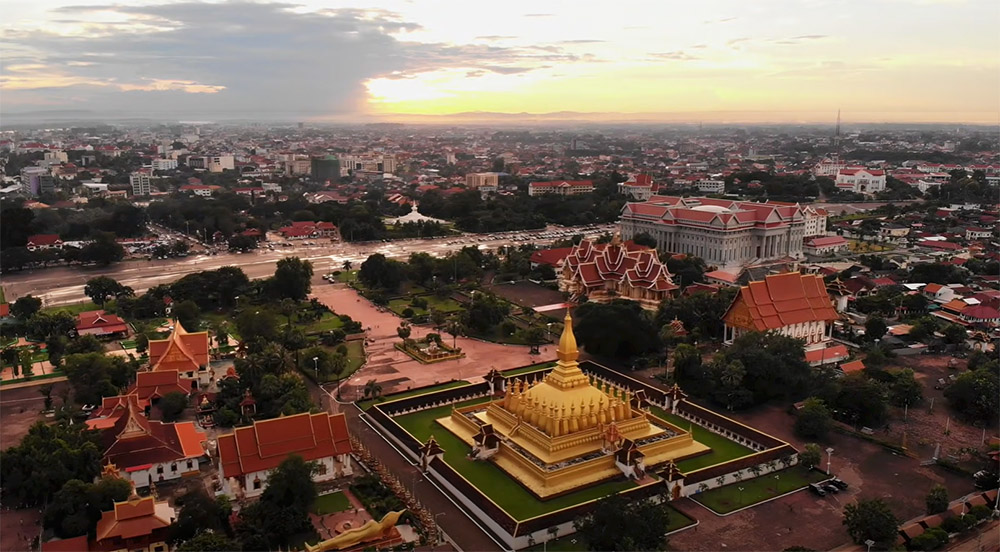
Laos is steeped in history, with influences from ancient Khmer, Thai, and French cultures. The capital city of Vientiane is home to several important cultural landmarks, including the Pha That Luang, a stunning Buddhist stupa that symbolizes national pride and religious faith. Luang Prabang, a UNESCO World Heritage site, offers a glimpse into the country’s spiritual life with its numerous temples and the daily alms-giving ceremony.

Natural Beauty

The natural landscapes of Laos are breathtaking and diverse. The Bolaven Plateau, with its cool climate and picturesque waterfalls, provides a serene escape into nature. The limestone karst mountains in Vang Vieng create a dramatic backdrop for outdoor adventures such as kayaking, rock climbing, and caving. The Mekong River, often referred to as the “Mother of Waters,” is central to life in Laos, providing sustenance and a means of transport.

Adventure and Eco-Tourism

Laos is a haven for adventure seekers and eco-tourists. The Nam Ha National Protected Area offers opportunities for trekking, bird-watching, and interacting with local ethnic communities. The Gibbon Experience, located in the Bokeo Nature Reserve, allows visitors to sleep in treehouses and zip-line through the jungle canopy, providing a unique perspective on the wilderness.

Warm Hospitality

The people of Laos are known for their warmth and hospitality. Visitors are often greeted with a friendly “Sabaidee” and a genuine smile. The Laotian lifestyle is laid-back and simple, which is reflected in their approach to visitors. Participating in a traditional Baci ceremony or sharing a meal with a local family can offer a deeper understanding of the Laotian way of life.

Conclusion

Laos, with its blend of cultural richness, stunning natural beauty, and welcoming people, truly is a landlocked jewel of Southeast Asia. It offers travelers a chance to step off the beaten path and discover a country where time seems to stand still. Whether you’re seeking adventure, tranquility, or cultural enlightenment, Laos has something to offer everyone.

The Vatican: A Day in the Life of the Papal State

mistressesanonymous.com – The Vatican, an independent city-state within Rome, Italy, is the spiritual and administrative center of the Roman Catholic Church. Governed by the Pope, it is the smallest sovereign state in the world, both in terms of size and population. A day in the life of the Vatican is a blend of religious rituals, administrative duties, and cultural activities that reflect its unique status and historical significance. This article offers a glimpse into the daily life of this extraordinary place.

Morning: The Pope’s Schedule

The day in the Vatican often begins with the Pope’s private morning mass, usually attended by a small group of people, including Vatican officials and visitors. After mass, the Pope engages in personal prayer and reflection, followed by breakfast. The morning is typically dedicated to administrative tasks, meetings with advisors, and the review of important Church matters.

Midday: Audiences and Public Appearances

Midday is when the Pope often holds public audiences, either in the Vatican’s Paul VI Audience Hall or St. Peter’s Square. These audiences are opportunities for the faithful from around the world to see the Pope, receive his blessing, and hear his teachings. The Pope may also meet with heads of state, diplomats, or other dignitaries, engaging in discussions on matters of faith, peace, and social justice.

Afternoon: The Work of the Dicasteries

While the Pope is engaged in his duties, the various dicasteries (departments) of the Roman Curia, the administrative body of the Holy See, are busy with their work. These dicasteries handle a wide range of responsibilities, from doctrinal issues and liturgical matters to the Church’s charitable and educational activities. The afternoon is a time for meetings, policy discussions, and the management of the Church’s global affairs.

Evening: Prayer and Reflection

As the day winds down, the Vatican observes a time of prayer and reflection. The Pope may lead the recitation of the Rosary or other prayers, either in private or with a congregation. Evening is also a time for the Pope to engage in personal study and preparation for the next day’s activities. The Vatican’s museums and gardens close to the public, and the city-state prepares for a peaceful night.

Night: Vigilance and Security

Even at night, the Vatican is a place of activity. The Swiss Guard, the military corps of the Vatican, ensures the security of the Pope and the city-state. Their nightly patrols are a testament to the vigilance that has protected the Vatican for centuries. The quiet of the night is occasionally broken by special events, such as the illumination of St. Peter’s Basilica or the lighting of candles for religious observances.

Conclusion

A day in the life of the Vatican is a microcosm of its role as a global religious and cultural center. From the Pope’s morning mass to the evening prayers, every moment is steeped in tradition, faith, and the tireless work of maintaining the Church’s presence in the world. The Vatican’s unique blend of spirituality, administration, and cultural richness makes it a place like no other, where the past and present converge in the service of the faith and the faithful.

India: The Seventh Largest Country by Area

mistressesanonymous.com – India, officially known as the Republic of India, is the seventh-largest country in the world by land area, covering approximately 3.3 million square kilometers. This vast territory encompasses diverse landscapes, from the snow-capped peaks of the Himalayas to the tropical beaches of the south. Here is an in-depth look at India’s geographical, historical, and cultural significance.

Geographical Overview

India is located in South Asia and is bordered by the Indian Ocean to the south, the Arabian Sea to the west, and the Bay of Bengal to the east. It shares land borders with Pakistan to the northwest, China, Nepal, and Bhutan to the northeast, and Bangladesh and Myanmar to the east.

Key Geographical Features

  • Size and Location: India’s land area makes it the seventh-largest country in the world. It spans over 3.3 million square kilometers and is strategically located at the crossroads of Asia and the Indian Ocean.
  • Climate: The country experiences a wide range of climates, from tropical in the south to temperate and alpine in the Himalayan regions in the north.
  • Natural Resources: India is rich in natural resources, including coal, iron ore, bauxite, and petroleum. It also has abundant agricultural resources, being one of the world’s largest producers of rice, wheat, and cotton.

Historical Background

India has a history that spans thousands of years, with ancient civilizations and empires that have left a lasting impact on the world. Here are some key points in its historical development:
Ancient and Medieval India

  • Indus Valley Civilization: One of the world’s oldest civilizations, dating back to 3300 BCE, flourished in the northwestern regions of India.
  • Maurya and Gupta Empires: These empires, among others, contributed to the golden age of Indian culture, science, and philosophy.
  • Mughal Empire: Established in the early 16th century, the Mughal Empire left a significant architectural and cultural legacy, including the iconic Taj Mahal.

Colonial Era and Independence

  • British Raj: India came under British colonial rule in the 18th century, which lasted until 1947. The struggle for independence was led by figures like Mahatma Gandhi and Jawaharlal Nehru.
  • Independence and Partition: India gained independence from British rule on August 15, 1947, but this was accompanied by the partition of the subcontinent into India and Pakistan, leading to massive displacements and violence.

Cultural and Demographic Profile

India is a country of immense cultural diversity, with thousands of ethnic groups, languages, and religions. It is the second-most populous country in the world, with a population exceeding 1.3 billion people.

Demographics

  • Population Distribution: The population is highly diverse, with significant linguistic and religious minorities. Hindi is the most widely spoken language, but English is also used extensively, especially in government and business.
  • Religion: Hinduism is the majority religion, but there are also significant populations of Muslims, Christians, Sikhs, Buddhists, and Jains.

Cultural Heritage

India’s cultural heritage is rich and varied, with contributions to art, music, dance, and literature that span thousands of years. The country is known for its classical music and dance forms, as well as its vibrant cinema industry, Bollywood.

Economic and Political Landscape

India is a federal parliamentary democratic republic, with a President as the head of state and a Prime Minister as the head of government. It is one of the world’s fastest-growing major economies, with a significant presence in information technology, pharmaceuticals, and manufacturing.

Political Structure

  • Government: India has a multi-party system, with the Prime Minister serving as the head of government. The country is divided into 28 states and 8 Union territories, each with its own government.
  • Economy: The Indian economy is a mix of traditional village farming and handicrafts, a large modern urban sector, and a growing high-tech industry. It is one of the G20 major economies and a member of the BRICS group.

Conclusion

India’s vast size, rich history, and cultural diversity make it a unique and influential country on the global stage. From its ancient civilizations to its modern technological advancements, India continues to play a crucial role in international affairs and global economics.

Luxembourg’s Environment: Sustainable Practices & Policies

mistressesanonymous.com – Luxembourg, a small but prosperous country in Western Europe, is at the forefront of environmental sustainability. With a strong commitment to protecting its natural resources and promoting green initiatives, Luxembourg has implemented a range of sustainable practices and policies. This article explores the key environmental strategies and initiatives that Luxembourg has adopted to ensure a sustainable future for its citizens and the planet.

National Sustainable Development Strategy

Luxembourg’s commitment to sustainability is encapsulated in its National Sustainable Development Strategy. This comprehensive strategy outlines the country’s goals and actions to achieve sustainable development across various sectors, including energy, transportation, waste management, and biodiversity conservation.

Energy Efficiency and Renewable Energy

Luxembourg has made significant strides in energy efficiency and the adoption of renewable energy sources. The country has set ambitious targets for reducing greenhouse gas emissions and increasing the share of renewable energy in its total energy consumption. This includes investments in solar and wind power, as well as initiatives to promote energy-efficient buildings and transportation.

Green Transportation

Luxembourg’s transportation sector is a key focus area for sustainability. The country has implemented policies to encourage the use of public transportation, cycling, and walking. Luxembourg offers free public transportation to all residents and visitors, making it a unique case study in sustainable urban mobility. Additionally, the country has developed an extensive network of cycling paths and pedestrian-friendly zones to reduce car dependency.

Waste Management and Circular Economy

Luxembourg’s approach to waste management is centered on the principles of a circular economy. The country has implemented a range of measures to reduce waste generation, promote recycling, and encourage the reuse of materials. This includes the introduction of a pay-as-you-throw system for household waste, which incentivizes waste reduction, and the establishment of recycling centers and collection points for various materials.

Biodiversity Conservation

Protecting biodiversity is another priority for Luxembourg. The country has designated several nature reserves and protected areas to preserve its natural habitats and wildlife. Luxembourg also participates in international conservation efforts and has committed to the protection of at least 17% of its terrestrial and inland water areas by 2020, in line with the Aichi Biodiversity Targets.

Climate Change Mitigation and Adaptation

Luxembourg is actively involved in international climate change initiatives and has ratified the Paris Agreement. The country has set ambitious targets for reducing its greenhouse gas emissions and has implemented a range of policies to achieve carbon neutrality by 2050. This includes the promotion of carbon pricing, the development of carbon capture and storage technologies, and the enhancement of climate resilience through adaptive measures.

Environmental Education and Awareness

Environmental education and awareness are crucial components of Luxembourg’s sustainability efforts. The country has implemented programs to educate citizens about environmental issues and to promote sustainable lifestyles. This includes school curricula that incorporate environmental education, public awareness campaigns, and community engagement initiatives.

Conclusion

Luxembourg’s commitment to environmental sustainability is evident in its comprehensive strategies, innovative policies, and practical initiatives. By focusing on energy efficiency, green transportation, waste management, biodiversity conservation, climate change mitigation, and environmental education, Luxembourg is leading the way in sustainable development. As the country continues to implement and refine its environmental policies, it serves as a model for other nations seeking to balance economic growth with environmental protection. Luxembourg’s approach to sustainability is not only beneficial for its citizens but also contributes to global efforts to address environmental challenges and secure a sustainable future for all.

Harriet Tubman: An American Abolitionist & Political Activist

mistressesanonymous.com – Harriet Tubman, born into slavery in the early 19th century, emerged as one of the most prominent figures in the struggle against slavery in the United States. Her life, marked by resilience, courage, and an unwavering commitment to freedom, has inspired generations. From her legendary work on the Underground Railroad to her advocacy for women’s suffrage, Tubman’s legacy is a testament to the power of individual action in the face of systemic oppression.

Early Life in Slavery

Born Araminta Ross in Dorchester County, Maryland, around 1822, Tubman was one of many children born into slavery. She experienced the brutal realities of slavery from a young age, including physical abuse that resulted in chronic health issues. Despite the hardships, Tubman’s spirit remained unbroken, and she dreamed of a life beyond the chains of slavery.

Escape to Freedom

In 1849, Tubman made the perilous decision to escape to the North. Using the network of antislavery activists and safe houses known as the Underground Railroad, she made her way to Pennsylvania. This journey was not just a quest for personal freedom but the beginning of a lifelong mission to liberate others from the bondage of slavery.

Conductor on the Underground Railroad

After securing her own freedom, Tubman returned to the South at least thirteen times to guide other enslaved people to freedom via the Underground Railroad. She became one of the most famous “conductors” on this clandestine network, earning the nickname “Moses” for her ability to lead people out of bondage. Tubman’s bravery and strategic acumen allowed her to evade capture and helped hundreds of individuals escape to the North.

Advocacy and Activism

Beyond her work on the Underground Railroad, Tubman was a vocal advocate for abolition and women’s rights. She worked closely with prominent abolitionists like William Lloyd Garrison and Frederick Douglass and was an active participant in the women’s suffrage movement. Tubman’s commitment to equality extended beyond the end of slavery; she continued to fight for the rights and welfare of African Americans and women throughout her life.

Later Years and Legacy

In her later years, Tubman continued her activism and also worked to establish the Harriet Tubman Home for the Aged in Auburn, New York, to provide care for elderly African Americans. She passed away in 1913, but her legacy lives on as a symbol of courage, resilience, and the unyielding pursuit of freedom and justice.

Harriet Tubman’s life and work have been celebrated through numerous honors, including the decision to feature her on the $20 bill (though this has faced delays), and the establishment of the Harriet Tubman National Historical Park in New York. Her story remains a powerful reminder of the sacrifices made by individuals in the fight against slavery and for civil rights, and her legacy continues to inspire activists and advocates for social justice around the world.
Singapore’s Economic Miracle: Colonial Outpost – Global Hub

mistressesanonymous.com – Singapore’s transformation from a colonial outpost to a global economic powerhouse is a tale of strategic planning, political stability, and economic foresight. This article delves into the key factors that propelled Singapore’s economic miracle, highlighting the policies, leadership, and global positioning that have made it a model for development.

The Colonial Era: A Humble Beginning

Singapore’s journey began in the early 19th century when it was established as a trading post by the British East India Company. The island’s strategic location made it an ideal port, attracting traders from across Asia. However, its economy was primarily driven by entrepôt trade, and it lacked industrial development.

Independence and the Challenges Ahead

In 1965, Singapore gained independence from Malaysia. The new nation faced daunting challenges, including a lack of natural resources, high unemployment, and ethnic tensions. The government, led by Prime Minister Lee Kuan Yew, recognized that economic development was crucial for survival.

Economic Strategies for Growth

1. Investment in Human Capital

The Singaporean government prioritized education and vocational training to equip its workforce with the skills needed for a modern economy. This investment in human capital laid the foundation for future industrial development.

2. Attracting Foreign Investment

To kickstart industrialization, Singapore offered tax incentives and a stable business environment to attract multinational corporations. These companies brought in capital, technology, and management expertise, which were instrumental in developing key sectors such as manufacturing and finance.

3. Infrastructure Development

Recognizing the importance of connectivity, Singapore invested heavily in infrastructure, including port facilities, airports, and telecommunications. This made Singapore an attractive hub for trade and logistics.

The Rise of a Global Hub

By the late 20th century, Singapore had transformed into a global financial center and a key player in international trade. Its strategic location, coupled with a business-friendly environment, made it an ideal gateway to Asia for many multinational corporations.

Challenges and Adaptations

Despite its success, Singapore faced new challenges, including rising labor costs and competition from neighboring countries. To maintain its edge, Singapore diversified its economy, focusing on high-tech industries, biotechnology, and the digital economy.

Conclusion

Singapore’s economic miracle is a testament to the power of strategic planning, leadership, and adaptability. By leveraging its strengths and overcoming challenges, Singapore has established itself as a global hub that continues to inspire other nations on the path to development.

Emperor (Император): The Title Adopted by Peter the Great in 1721

mistressesanonymous.com – In 1721, a pivotal moment in Russian history occurred when Tsar Peter I, better known as Peter the Great, adopted the title of Emperor (Император), signifying a significant shift in the governance and identity of Russia. This change marked the formal transition from the Tsardom of Russia to the Russian Empire, a period that would see the country expand its territories and influence across the globe.

The Reign of Peter the Great

Peter the Great’s reign (1682-1725) is often considered the beginning of the modern era in Russian history. Known for his ambitious reforms and modernization efforts, Peter sought to transform Russia into a leading European power. His travels in Western Europe deeply influenced his vision for Russia, leading him to implement sweeping changes in military, administration, and culture.

Adoption of the Title “Emperor”

The adoption of the title “Emperor” by Peter the Great was not merely a change in nomenclature but a strategic move with profound implications. It symbolized Russia’s emergence as an empire on par with other European powers, such as the Holy Roman Empire and the Ottoman Empire. This title was officially adopted after Russia’s victory in the Great Northern War (1700-1721), which significantly expanded Russian territories and solidified its status as a major European power.

Implications of the Title Change

The change from “Tsar” to “Emperor” had several implications for Russia. Firstly, it reflected the expansion of Russia’s territories and the growth of its influence. Secondly, it underscored Peter the Great’s ambition to modernize and westernize Russia, aligning it more closely with European powers. Lastly, it signaled a shift in the perception of the Russian ruler, from a monarch of a principality to the sovereign of a vast empire.

The Russian Empire

The adoption of the title “Emperor” marked the beginning of the Russian Empire, a period characterized by territorial expansion, cultural flourishing, and significant political developments. Under the rule of subsequent emperors and empresses, Russia continued to grow in power and influence, becoming one of the leading nations of the 18th and 19th centuries.

Conclusion

The adoption of the title “Emperor” by Peter the Great in 1721 was a defining moment in Russian history, marking the transition from the Tsardom of Russia to the Russian Empire. This change symbolized Russia’s emergence as a major European power and set the stage for centuries of imperial rule. Peter the Great’s vision and reforms laid the foundation for Russia’s future as a global empire, leaving a lasting legacy that continues to influence the country to this day.

History of the Solomon Islands: Colonial Rule – Independence

mistressesanonymous.com – The history of the Solomon Islands dates back to around 30,000 years ago when the islands were first inhabited by Melanesian people from New Guinea1. The islands remained relatively isolated until the 16th century when European explorers began to make contact. The Spanish explorer Álvaro de Mendaña de Neira was the first European to sight the islands in 1568, naming them the “Islands of Solomon” in search of the biblical King Solomon’s gold.

Colonial Rule

The late 19th century saw the islands become a focal point for European colonial ambitions. In 1885, the northern Solomon Islands were declared a German protectorate, while the southern islands were placed under British control. The British Solomon Islands Protectorate was officially established in 1893 and remained under British administration until 1978.

During British rule, the Solomon Islands experienced significant changes. The islands were used as a strategic location during World War II, particularly during the Guadalcanal Campaign, where fierce battles were fought between Japanese and Allied forces. Post-war, the British resumed control, and the capital was moved to Honiara on Guadalcanal, where an American military base was established.

Path to Independence

The mid-20th century saw a global movement towards decolonization, influenced by the United Nations and a post-World War II mood for self-determination. The Solomon Islands were no exception. In 1975, a delegation led by Mamaloni met with UK officials in London to set a timetable for independence. The Solomon Islands gained internal self-governance in 1976, paving the way for full independence.

Independence

On July 7, 1978, the Solomon Islands officially gained independence from British rule, becoming the 150th sovereign state to join the United Nations. The new nation adopted a constitution on June 8, 1978, which came into effect on the day of independence.

Post-Independence

Since independence, the Solomon Islands have maintained close ties with the United Kingdom, with British advisors still playing a role in the government. The country has also faced various challenges, including political instability and economic difficulties, but has continued to develop its infrastructure and institutions.

Today, the Solomon Islands is a member of the Commonwealth and continues to work towards sustainable development and improved governance. The country’s rich cultural heritage and natural beauty make it a unique and important part of the Pacific region.

Conclusion

The history of the Solomon Islands from colonial rule to independence is a story of resilience and determination. From early Melanesian settlements to the complexities of European colonization and the struggles for self-determination, the Solomon Islands have emerged as a sovereign nation with a distinct identity and a promising future.

Sierra Leone’s Natural Resources: Diamonds, and Gold

mistressesanonymous.com – Sierra Leone, a small West African nation, is endowed with a rich array of natural resources that have played a significant role in its economy and history. The country’s mineral wealth includes diamonds, gold, titanium ore, bauxite, iron ore, and chromite, among others. This article explores the key natural resources of Sierra Leone, focusing on diamonds and gold, and highlights their importance to the country’s economic landscape.

Diamonds

Sierra Leone is renowned for its diamond production, which has been a cornerstone of its economy for decades. The country is one of the world’s top diamond producers, with a significant portion of its exports coming from this precious stone. The diamond industry in Sierra Leone has a complex history, marked by both prosperity and conflict.

Historical Context

Diamond mining in Sierra Leone dates back to the early 20th century. The industry experienced a boom in the 1960s and 1970s, but it was also a period marred by extensive smuggling and depletion of reserves. The civil war in the 1990s further complicated the situation, as rebel groups exploited diamond mining to fund their activities, leading to the infamous “blood diamonds” controversy.

Current Status

After the end of the civil war in 2002, efforts were made to rehabilitate the diamond mining sector. The government has implemented measures to regulate the industry and ensure that diamond exports are certified to prevent the trade of conflict diamonds. Despite these efforts, the official export of diamonds has seen fluctuations. For instance, in 2015, Sierra Leone exported 500,039 carats of diamonds, a decrease from the 620,181 carats exported in 2014.

Gold

Gold is another significant natural resource in Sierra Leone, contributing substantially to the country’s mineral exports. The gold mining sector has seen growth in recent years, with both large-scale and artisanal mining operations.

Mining Operations

Gold is mined in various parts of Sierra Leone, with notable deposits found in the southern province, particularly in the Bonthe district. The mining methods range from large-scale operations by international companies to small-scale artisanal mining by local communities.

Economic Impact

The gold mining sector has been a source of employment and economic activity, especially in rural areas. However, like the diamond industry, gold mining has faced challenges, including environmental concerns and the need for better regulation to ensure sustainable practices.

Other Natural Resources

In addition to diamonds and gold, Sierra Leone is rich in other minerals such as titanium ore, bauxite, iron ore, and chromite. These resources have the potential to diversify the country’s economy and reduce its reliance on diamonds and gold.

Titanium Ore and Bauxite

Titanium ore and bauxite are among the most significant non-precious minerals in Sierra Leone. The country has some of the world’s largest reserves of rutile, a form of titanium ore, which is used in various industrial applications. Bauxite, the primary ore of aluminum, is also mined in Sierra Leone, although its production has faced interruptions due to civil unrest and economic challenges.

Iron Ore and Chromite

Iron ore is another important mineral resource in Sierra Leone, with vast reserves estimated at around 200 billion tons4. The country’s iron ore deposits are primarily located in the Tonkolili district, where large-scale mining operations have been established. Chromite, a mineral used in the production of stainless steel, is also found in significant quantities in Sierra Leone.

Conclusion

Sierra Leone’s natural resources, particularly diamonds and gold, have been pivotal in shaping its economic and social landscape. While these resources offer immense potential for economic growth and development, they also come with challenges that need to be addressed through effective regulation and sustainable practices. The diversification of the mining sector to include other minerals like titanium ore, bauxite, iron ore, and chromite can help stabilize the economy and ensure a more balanced and sustainable future for the country.

Micronesia’s Unique Geography & Biodiversity

mistressesanonymous.com – Micronesia, a collection of islands in the western Pacific Ocean, is renowned for its unique geography and rich biodiversity. This article explores the geographical features and the diverse ecosystems that make Micronesia a hotspot for biological diversity.

Geography of Micronesia

Micronesia is part of the larger region known as Polynesia-Micronesia, which encompasses over 4,500 islands and covers an area of 46,315 square kilometers. The Federated States of Micronesia (FSM) itself is a country comprising four states: Yap, Chuuk, Pohnpei, and Kosrae. The total land area of FSM is approximately 702 square kilometers, distributed across numerous small islands and atolls.

The islands of Micronesia are characterized by their volcanic origins, coral atolls, and lush tropical forests. The varied topography includes high volcanic islands, low-lying atolls, and extensive coral reefs, which contribute to the region’s unique ecological diversity.

Biodiversity in Micronesia

Micronesia is recognized as a global biodiversity hotspot, hosting a vast array of plant and animal species, many of which are endemic to the region. The area is home to over 476 globally threatened species, highlighting the importance of conservation efforts.

Plant Diversity

The plant life in Micronesia is exceptionally diverse, with many species found nowhere else on Earth. The region’s tropical climate and varied landscapes support a wide range of flora, including unique species of trees, shrubs, and flowering plants. The New York Botanical Garden has documented extensive research on the plants of Micronesia, emphasizing the need for further exploration and conservation of these unique species.

Animal Diversity

Micronesia’s animal biodiversity is equally impressive, with a variety of terrestrial and marine species. The region is home to numerous endemic bird species, reptiles, and amphibians, many of which are threatened by habitat loss and invasive species. The marine ecosystems, including coral reefs and mangrove forests, support a rich array of fish and invertebrates, contributing to the region’s ecological complexity.

Threats to Biodiversity

Despite its rich biodiversity, Micronesia faces significant challenges in preserving its unique ecosystems. Invasive species pose a major threat, impacting both native and non-native species. Conservation efforts are crucial to mitigate these threats and protect the region’s biodiversity.

Conservation Efforts

The Federated States of Micronesia has developed national strategies and action plans to conserve its biodiversity. These plans aim to enhance the quality and diversity of natural resources, ensuring sustainable management and protection of the region’s unique ecosystems. The blueprint for conserving biodiversity in Micronesia includes initiatives to protect terrestrial and inshore areas, covering approximately 19% of the country’s total area.

Conclusion

Micronesia’s unique geography and rich biodiversity make it a critical region for global conservation efforts. The diverse ecosystems, from volcanic islands to coral reefs, support a vast array of endemic species. By addressing the threats to biodiversity and implementing effective conservation strategies, Micronesia can preserve its natural heritage for future generations.

The Threat of Rising Seas: Climate Change and Kiribati

mistressesanonymous.com – Kiribati, a nation of 33 atolls and reef islands in the Pacific Ocean, is on the front lines of the global climate crisis. With the majority of its landmass barely above sea level, the country is acutely vulnerable to the impacts of rising sea levels, a direct consequence of global warming. The threat of submergence looms large, posing an existential threat to the I-Kiribati people and their way of life.

The Science of Sea-Level Rise

Climate change is driving the melting of polar ice caps and the expansion of seawater as it warms, leading to a relentless rise in global sea levels. Scientists predict that without significant action to reduce greenhouse gas emissions, sea levels could rise by several feet by the end of the century. For low-lying nations like Kiribati, even a modest increase could be catastrophic.

Impacts on Kiribati

The rising seas are already taking a toll on Kiribati. Coastal erosion is claiming land, saltwater is intruding into freshwater supplies, and storm surges are becoming more frequent and severe. These changes are not just environmental; they are social and economic, affecting agriculture, water security, and the health of the population.

Adaptation Efforts

Faced with this existential threat, the government and people of Kiribati are not standing idle. They are implementing a range of adaptation measures, from building sea walls and planting mangroves to developing climate-resilient infrastructure. These efforts are crucial but also highlight the need for international support and solidarity in the face of a global challenge.

The Search for Solutions

Beyond adaptation, Kiribati is also exploring more radical solutions to ensure the survival of its people. The government has purchased land in Fiji as a potential future home for I-Kiribati citizens, should their islands become uninhabitable. This unprecedented move underscores the gravity of the situation and the lengths to which communities are willing to go to adapt to climate change.

International Response

The plight of Kiribati has drawn attention to the broader issue of climate justice. Small island developing states (SIDS) like Kiribati are among the least responsible for climate change but are among the most affected. The international community has a moral and legal obligation to support these nations, both in terms of mitigation efforts to reduce emissions and adaptation measures to cope with the inevitable impacts.

Conclusion

Climate change and the threat of rising seas are not just environmental issues; they are matters of human rights and survival. Kiribati, with its low-lying islands, is a poignant example of the injustice faced by those least responsible for climate change. As the world grapples with this crisis, the fate of Kiribati serves as a stark reminder of the urgent need for global action to mitigate the worst effects of climate change and to support those who are already bearing its brunt.

The Kosovo Conflict: A Timeline

mistressesanonymous.com – The Kosovo conflict, a pivotal event in the Balkans’ recent history, has had a profound impact on the region’s political landscape. This article provides a timeline of the key events that led to the conflict, its progression, and the aftermath, shedding light on the complex interplay of ethnic, political, and international factors that shaped the crisis.

Historical Background

Kosovo’s history is marked by centuries of conflict and coexistence between its Albanian and Serbian populations. The region was an integral part of the medieval Serbian state before coming under Ottoman rule in the late 14th century. In the 20th century, Kosovo became an autonomous province within the Socialist Federal Republic of Yugoslavia.

Escalation of Tensions

The death of Yugoslav President Josip Broz Tito in 1980 led to increased ethnic tensions in Kosovo. In 1989, Serbian President Slobodan Milošević revoked Kosovo’s autonomy, leading to widespread protests among the Albanian majority. The situation deteriorated further with the breakup of Yugoslavia in the early 1990s, as Kosovo Albanians sought greater autonomy and eventually independence.

The Rise of the KLA

The Kosovo Liberation Army (KLA) emerged in the late 1990s, advocating for Kosovo’s independence through armed struggle. The group’s attacks on Serbian police and military targets prompted a harsh response from the Milošević government, leading to a cycle of violence.

International Involvement

The international community attempted to mediate the conflict, but negotiations failed to reach a peaceful resolution. In 1998, the violence escalated into a full-scale war, prompting NATO to intervene.

NATO Intervention

In March 1999, NATO launched an air campaign against Yugoslav targets, aiming to force Milošević to withdraw Serbian forces from Kosovo. The 78-day bombing campaign ended with Milošević’s acceptance of a peace deal, which included the withdrawal of Serbian forces and the deployment of an international peacekeeping force (KFOR).

Aftermath and Independence

The United Nations Interim Administration Mission in Kosovo (UNMIK) was established to administer the region. Kosovo declared independence in February 2008, a move recognized by many countries but not by Serbia and some other nations.

Conclusion

The Kosovo conflict is a testament to the complexities of ethnic and national identity in the Balkans. Its legacy continues to influence the region’s politics, with ongoing negotiations between Kosovo and Serbia aimed at normalizing relations. The timeline of the conflict underscores the importance of international diplomacy and the challenges of post-conflict reconstruction and reconciliation.

Timor-Leste: Political & Cultural History by Andrea Katalin Molnar

mistressesanonymous.com – “Timor-Leste: A Political and Cultural History” by Andrea Katalin Molnar is a comprehensive exploration of the island nation’s journey from colonial rule to independence, delving into its rich cultural heritage and the complexities of its political landscape. Published in 2021 by Oxford University Press, this book offers a detailed analysis of Timor-Leste’s historical trajectory and the challenges it faces in the contemporary world.

Overview

Andrea Katalin Molnar’s book provides a thorough examination of Timor-Leste’s history, beginning with its pre-colonial era, through the Portuguese colonial period, the Indonesian occupation, and finally, its struggle for independence. The author skillfully weaves together political events with cultural developments, offering readers a nuanced understanding of the nation’s identity.

Key Themes

Colonial Legacy

The book explores the profound impact of colonialism on Timor-Leste, examining how Portuguese rule shaped the country’s social, economic, and political structures. Molnar also discusses the resistance movements that emerged during this period, laying the groundwork for future independence efforts.

Indonesian Occupation

A significant portion of the book is dedicated to the Indonesian occupation of Timor-Leste from 1975 to 1999. Molnar provides a detailed account of the atrocities committed during this time, the international response, and the resilience of the Timorese people in their fight for self-determination.

Road to Independence

The author traces the path to Timor-Leste’s independence in 2002, highlighting the key figures, events, and international support that played crucial roles in this historic achievement. Molnar also discusses the challenges faced by the newly independent nation, including political instability, economic difficulties, and the process of nation-building.

Cultural Insights

Beyond its political history, the book offers valuable insights into Timor-Leste’s cultural heritage. Molnar explores the country’s diverse ethnic groups, languages, and traditions, emphasizing the importance of culture in shaping national identity and fostering unity among the Timorese people.

Critical Reception

“Timor-Leste: A Political and Cultural History” has been praised for its comprehensive approach and the author’s ability to combine historical analysis with cultural insights. Reviewers have noted Molnar’s meticulous research and her skill in presenting complex information in an accessible manner.

Conclusion

Andrea Katalin Molnar’s book is an essential resource for anyone seeking to understand Timor-Leste’s rich history and the challenges it continues to face. “Timor-Leste: A Political and Cultural History” not only provides a detailed account of the nation’s political journey but also highlights the resilience and cultural richness of its people. It is a must-read for scholars, students, and anyone interested in the history and culture of Southeast Asia.

Swiss Culture: A Melting Pot of Traditions

mistressesanonymous.com – Switzerland, with its picturesque landscapes and robust economy, is often celebrated for its natural beauty and financial acumen. However, the country’s rich cultural tapestry is equally deserving of recognition. Swiss culture is a fascinating melting pot of traditions, shaped by its diverse linguistic, regional, and historical influences. This article explores the myriad traditions that define Swiss culture, highlighting how they contribute to the country’s unique identity.

Linguistic Diversity and Cultural Expression

Switzerland’s linguistic diversity is a cornerstone of its cultural richness. The country’s four national languages—German, French, Italian, and Romansh—each contribute to a vibrant cultural landscape. This linguistic variety is reflected in the country’s literature, media, and public life, fostering a culture that values multilingualism and multiculturalism. Each linguistic community has its own traditions, from the German-speaking regions’ love for folk music and yodeling to the French-speaking regions’ passion for culinary arts and cinema.

Traditional Festivals and Celebrations

Swiss culture is alive with a variety of traditional festivals and celebrations that bring communities together. One of the most famous is the Fasnacht carnival, celebrated in cities like Basel, Bern, and Lucerne. This colorful event, with its elaborate costumes and parades, is a testament to the country’s Germanic heritage. Meanwhile, the Italian-speaking Ticino region hosts the Lugano Festival, showcasing classical music and opera, reflecting its Mediterranean influences. The Swiss also celebrate national holidays with gusto, such as Swiss National Day on August 1st, with fireworks, parades, and bonfires across the country.

Culinary Traditions

Swiss cuisine is a delightful blend of regional specialties, reflecting the country’s geographical and cultural diversity. Cheese is a cornerstone of Swiss gastronomy, with iconic dishes like fondue and raclette enjoyed throughout the country. Each region has its own culinary traditions, from the hearty meat dishes and potato specialties of the German-speaking regions to the refined pastries and chocolates of the French-speaking areas. The Italian-speaking Ticino offers a taste of the Mediterranean with its olive oils, herbs, and seafood dishes.

Arts and Crafts

The arts and crafts in Switzerland are deeply rooted in tradition, with many regions known for their specific crafts. The woodcarving in the Alpine regions, for example, is renowned for its intricate designs and craftsmanship. Emmental is famous for its lace-making, while the Jura region is known for its watchmaking skills. These traditional crafts are not just economic activities but also a way to preserve cultural heritage and pass down skills from generation to generation.

Sports and Outdoor Activities

Sports and outdoor activities are an integral part of Swiss culture, reflecting the country’s love for nature and physical fitness. Winter sports like skiing and snowboarding are popular, with Switzerland hosting numerous international competitions. Hiking, mountain biking, and climbing are favorite pastimes in the warmer months, taking advantage of the country’s stunning landscapes. These activities are not just recreational but also a way to connect with the natural environment and promote a healthy lifestyle.

Conclusion

Swiss culture is a melting pot of traditions, shaped by its diverse linguistic, regional, and historical influences. From its linguistic diversity and traditional festivals to its culinary delights and arts and crafts, Switzerland offers a rich cultural experience. These traditions are not just relics of the past but vibrant expressions of the country’s identity, celebrated and preserved for future generations. As Switzerland continues to navigate the modern world, its cultural traditions remain a source of pride and a testament to the country’s enduring spirit.

A Legal Perspective: The Canadian Constitution

mistressesanonymous.com – The Canadian Constitution is the supreme law of Canada, outlining the country’s legal and political framework. It is a complex document that has evolved over time, reflecting the nation’s history, values, and commitment to democracy and human rights. This article will provide a legal perspective on the Canadian Constitution, examining its key components, historical development, and its role in shaping Canadian society.

Historical Evolution of the Canadian Constitution

The roots of the Canadian Constitution can be traced back to various historical documents, including the Royal Proclamation of 1763 and the Quebec Act of 1774. However, the foundational legal text is the Constitution Act, 1867 (formerly known as the British North America Act), which established the Confederation of Canada and outlined the division of powers between the federal and provincial governments. The Constitution was patriated in 1982 with the Constitution Act, which included the Canadian Charter of Rights and Freedoms, marking a significant milestone in Canada’s constitutional history.

Key Components of the Canadian Constitution

The Canadian Constitution consists of a series of statutes and documents, including the Constitution Act, 1867; the Constitution Act, 1982; and various other acts and orders. The Constitution Act, 1982, is particularly notable for introducing the Charter of Rights and Freedoms, which guarantees fundamental rights and freedoms to all Canadian citizens. Other key elements include the amending formula, which sets out the procedures for amending the Constitution, and the division of powers between the federal, provincial, and territorial governments.

The Canadian Charter of Rights and Freedoms

The Charter is a cornerstone of the Canadian Constitution, enshrining a broad range of rights and freedoms, including freedom of expression, freedom of religion, and the right to a fair trial. It has had a profound impact on Canadian law and society, empowering individuals and groups to challenge government actions that infringe upon their rights. The Charter also includes provisions for the protection of minority language rights and the rights of Indigenous peoples.

The Role of the Judiciary in Constitutional Interpretation

The judiciary plays a crucial role in interpreting the Constitution and adjudicating disputes that arise under its provisions. The Supreme Court of Canada, as the final court of appeal, has the authority to rule on the constitutionality of laws and government actions. Judicial decisions have significantly shaped the understanding and application of constitutional rights and have contributed to the evolution of Canadian constitutional law.

Constitutional Challenges and Amendments

The Canadian Constitution is not static; it has faced numerous challenges and amendments over the years. Issues such as Indigenous rights, Quebec sovereignty, and the division of powers have tested the Constitution’s flexibility and adaptability. The amending formula, which requires significant consensus for constitutional changes, reflects the delicate balance between national unity and regional autonomy.

Conclusion – The Enduring Relevance of the Canadian Constitution

The Canadian Constitution is a living document that continues to evolve in response to the changing needs and values of Canadian society. Its legal framework provides a foundation for governance, rights protection, and social harmony. As Canada navigates future challenges, the Constitution will remain a critical instrument for upholding the rule of law and promoting a just and democratic society.

The Evolution of Women’s Roles in Sri Lanka

mistressesanonymous.com – The role of women in Sri Lankan society has undergone significant transformations over the years, reflecting broader socio-economic and cultural shifts. Traditionally, women in Sri Lanka were primarily confined to domestic roles within a close-knit family structure and kinship group, in the context of an agro-based economy. However, the modern era has seen a notable evolution in their roles and status.

Historical Context and Traditional Roles

Historically, women in Sri Lanka were integral to the family and community, often managing household responsibilities and playing a crucial role in agricultural activities. Despite their contributions, they were often treated as second-class citizens, particularly in rural areas where education and opportunities were predominantly reserved for men.

Modern Challenges and Empowerment

The modern era has brought about a shift in the perception and roles of women in Sri Lanka. Efforts to promote gender equality and empower women have gained momentum, with various organizations and government bodies taking initiatives to address the socio-economic and cultural barriers that have historically marginalized women.

The involvement of women in the security sector and peacekeeping efforts is a notable development, highlighting their increasing role in public and political spheres. This shift is not only a response to the changing socio-economic landscape but also a reflection of the growing recognition of women’s capabilities and rights.

Economic Participation and Household Dynamics

Economic participation among women in Sri Lanka remains a challenge, with female labor force participation being significantly lower than the global average. This is compounded by the traditional expectation that women prioritize family over career, which can limit their opportunities for economic independence and personal growth.

Despite these challenges, the number of women-headed households in Sri Lanka is on the rise, indicating a shift in household dynamics and the increasing responsibility placed on women to manage both domestic and economic responsibilities.

Future Prospects and Policy Initiatives

The future of women’s roles in Sri Lanka looks promising, with ongoing efforts to enhance gender equality and empower women through education, economic opportunities, and political participation. The establishment of the Ministry of Women and Child Affairs and collaborations with international organizations like UN Women have been instrumental in driving these initiatives.

Conclusion

The evolution of women’s roles in Sri Lanka is a testament to the resilience and adaptability of the Sri Lankan society. From traditional domestic roles to active participants in the public and economic spheres, women are increasingly shaping the future of the country. As Sri Lanka continues to navigate the complexities of modernity, the ongoing efforts to empower women will be crucial in achieving a more equitable and inclusive society.

A Yachting Adventure: The Maldives

mistressesanonymous.com – The Maldives, with its crystal-clear waters, vibrant coral reefs, and secluded islands, is a dream destination for yachting enthusiasts. Exploring the Maldives by yacht offers a unique perspective on this tropical paradise, allowing travelers to experience the beauty of the Indian Ocean in unparalleled luxury and privacy.

The Best Time for Yachting

The ideal time for yachting in the Maldives is during the dry season, from November to April, when the weather is most favorable. The seas are calmer, and the risk of monsoon rains is lower, making it perfect for cruising and water activities.

Yachting Itineraries

1. Northern Atolls

Starting from the capital, Malé, a yachting adventure to the northern atolls can take you to the pristine waters of Haa Alif, Haa Dhaalu, and Shaviyani Atolls. These remote areas are less frequented by tourists and offer excellent opportunities for diving, snorkeling, and fishing.

2. Central Atolls

The central atolls, including Baa, Kaafu, and Ari, are renowned for their marine life and luxury resorts. A yachting trip here can include visits to Hanifaru Bay in Baa Atoll, a UNESCO World Biosphere Reserve, and the famous diving spots of Ari Atoll.

3. Southern Atolls

Venturing to the southern atolls, such as Gaafu Dhaalu and Seenu, provides a more off-the-beaten-path experience. These atolls are known for their untouched beauty and are perfect for those seeking solitude and adventure.

Yachting Experiences

Luxury Yacht Charters

The Maldives offers a range of luxury yacht charters, from motor yachts to sailing catamarans, equipped with every amenity for a comfortable and luxurious journey. Many yachts come with a crew that includes a captain, chef, and stewardesses to ensure a seamless experience.

Private Island Hopping

One of the highlights of yachting in the Maldives is the ability to hop from one private island to another. Anchor in secluded bays, enjoy private beach dinners, and explore uninhabited islands that are accessible only by boat.

Water Sports and Activities

Yachting in the Maldives is not just about cruising; it’s also about the water activities. Snorkeling, diving, jet skiing, and fishing are just a few of the adventures that await. The clear waters offer a window into an underwater world teeming with life.

Sustainable Yachting

As with all tourism in the Maldives, sustainable practices are crucial. Many yachting companies in the Maldives are committed to eco-friendly operations, including reducing plastic use, minimizing environmental impact, and supporting local conservation efforts.

Conclusion

A yachting adventure in the Maldives is an unforgettable experience that combines luxury, privacy, and the natural beauty of the Indian Ocean. Whether you’re exploring the remote northern atolls, the marine-rich central atolls, or the untouched southern atolls, a yachting trip in the Maldives offers a unique way to discover this tropical paradise. With a focus on sustainability and luxury, yachting in the Maldives is the ultimate way to experience the country’s pristine islands.

Ecuador’s Pioneering Efforts in Environmental Conservation

mistressesanonymous.com – Ecuador, a country renowned for its rich biodiversity and natural beauty, has been at the forefront of environmental conservation efforts. With a commitment to preserving its unique ecosystems and biodiversity, Ecuador has implemented various innovative programs and policies that serve as a model for global environmental stewardship.

Biodiversity Conservation and Protected Areas

Ecuador is home to a significant portion of the world’s biodiversity, with over 16% of the world’s bird species and 8% of amphibians, reptiles, and mammals found within its borders. Recognizing the importance of protecting these species, Ecuador has established a robust network of protected areas. These areas are crucial in halting deforestation and preserving habitats for endangered species.

The Socio Bosque Program, a national program of payments for biodiversity conservation, supports the conservation and management of forests, further enhancing the country’s efforts to protect its natural heritage. This program not only conserves biodiversity but also contributes to the livelihoods of local communities by providing economic incentives for conservation activities.

Freshwater Ecosystem Protection

Ecuador’s approach to freshwater ecosystem protection is exemplary. The country has implemented large-scale, effective, and inclusive conservation strategies that serve as a blueprint for other nations. These efforts are vital in maintaining the health of freshwater ecosystems, which are essential for both biodiversity and human well-being.

Environmental Education and Public Awareness

Ecuador’s commitment to environmental conservation extends to its educational system. The government has integrated environmental education into the curriculum of primary and secondary schools, ensuring that future generations are aware of the importance of environmental stewardship and conservation. This proactive approach helps to foster a culture of environmental responsibility and sustainability among the population.

Legal and Policy Framework

Ecuador’s legal and policy framework for environmental conservation is robust and comprehensive. The country’s 2008 Constitution was the first to explicitly recognize nature as a rights-bearing entity, emphasizing the importance of conservation and sustainable development. This constitutional recognition underscores the government’s commitment to environmental protection and has led to the development of stringent environmental laws and regulations.

International Commitments

Ecuador has also made significant international commitments to environmental conservation. The country has pledged to reduce its greenhouse gas emissions by 20% by 2030, focusing on the land use, land-use change, and forestry sector. This commitment aligns with global efforts to combat climate change and demonstrates Ecuador’s dedication to sustainable development on a global scale.

Conclusion

Ecuador’s contributions to environmental conservation are both significant and multifaceted. Through a combination of innovative programs, robust legal frameworks, and proactive public education, Ecuador has set a high standard for environmental stewardship. As the world faces increasing environmental challenges, Ecuador’s model of conservation offers valuable lessons and best practices that can be applied globally. By continuing to lead in environmental protection, Ecuador not only safeguards its own natural heritage but also contributes to the global effort to preserve biodiversity and combat climate change.
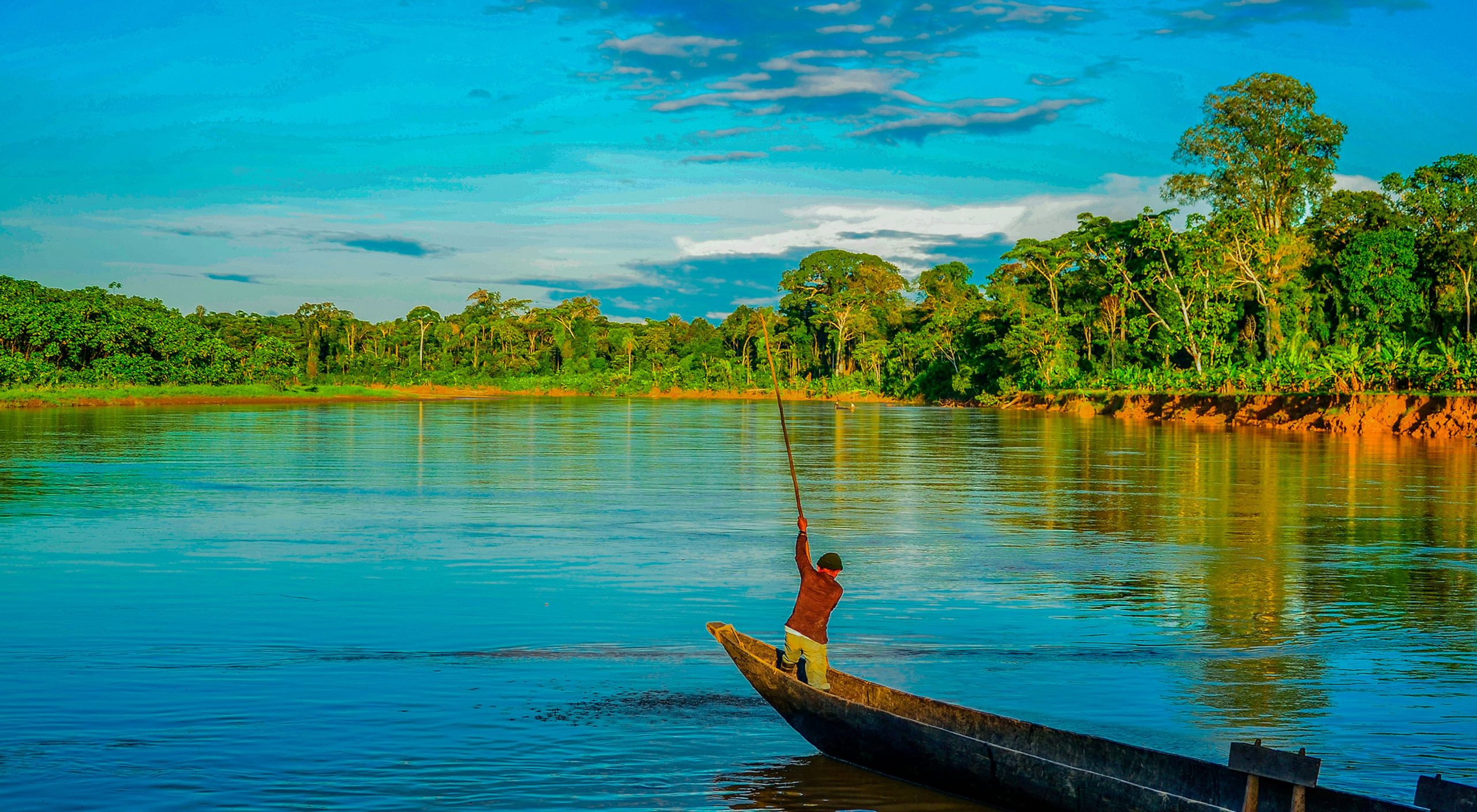
Honduras’ Infrastructure: Development & Accessibility

mistressesanonymous.com – Honduras, a Central American country known for its rich biodiversity and cultural heritage, has long faced challenges in developing and maintaining its infrastructure. The country’s rugged terrain, economic constraints, and social issues have historically hindered the progress of its infrastructure projects. However, recent years have seen a concerted effort to improve the accessibility and quality of infrastructure across the nation, aiming to boost economic growth and enhance the quality of life for its citizens.

Transportation Infrastructure

Roads and Highways

The backbone of Honduras’ transportation network is its road system, which has undergone significant improvements in recent years. The government has invested in the rehabilitation and expansion of major highways, such as the CA-5, which connects the capital, Tegucigalpa, with the northern coast. These upgrades have improved connectivity between major population centers and economic hubs, reducing travel times and facilitating the movement of goods and services.

Ports and Airports

Honduras’ accessibility to the Caribbean and Pacific Oceans has been a boon for its maritime infrastructure. Ports like Puerto Cortés on the Caribbean coast have been modernized to handle larger ships and increase cargo capacity, making Honduras a more attractive destination for international trade. Similarly, airports like Toncontín International Airport in Tegucigalpa have seen improvements to enhance safety and efficiency, although the country still faces the challenge of expanding its air transportation network to meet growing demand.

Energy Infrastructure

Electricity Grid

Access to reliable electricity is a critical component of infrastructure development. Honduras has made strides in expanding its electricity grid to rural areas, reducing the number of people living without access to power. The government has also diversified the energy mix, investing in renewable energy sources such as hydroelectric, solar, and wind power, to reduce dependence on fossil fuels and mitigate the environmental impact of energy production.

Renewable Energy Initiatives

The push for renewable energy has been a cornerstone of Honduras’ energy infrastructure development. Projects like the Agua Zarca hydroelectric dam have been controversial but underscore the country’s commitment to sustainable energy solutions. These initiatives not only aim to provide cleaner energy but also to create jobs and stimulate economic activity in underdeveloped regions.

Telecommunications Infrastructure

Broadband and Mobile Networks

The expansion of telecommunications infrastructure has been a priority for the Honduran government, recognizing the importance of connectivity in the modern economy. Efforts to improve broadband and mobile networks have led to increased internet penetration rates, although significant disparities remain between urban and rural areas. The government and private sector have partnered to deploy more cell towers and fiber-optic cables, aiming to bridge this digital divide.

Digital Inclusion Programs

To ensure that the benefits of improved telecommunications reach all segments of society, the government has launched digital inclusion programs. These initiatives focus on providing internet access and digital literacy training in underserved communities, helping to empower citizens with the skills needed to participate in the digital economy.

Conclusion

The development and accessibility of infrastructure in Honduras are crucial for the country’s economic growth and social progress. While significant challenges remain, the strides made in recent years in transportation, energy, and telecommunications are laying the groundwork for a more connected and prosperous nation. As Honduras continues to invest in its infrastructure, it will be essential to balance economic development with environmental sustainability and social equity, ensuring that the benefits of these improvements are shared by all Hondurans.