
The Environmental Toll of Makeup Products

mistressesanonymous.com – In the quest for beauty, the cosmetic industry has flourished, offering a plethora of products that promise to enhance our appearance. However, behind the colorful palettes and alluring bottles lies a significant environmental cost. The makeup industry, with its complex supply chains and extensive use of resources, contributes to environmental degradation in various ways. This article explores these impacts and suggests steps consumers and manufacturers can take to mitigate them.

The Packaging Problem

One of the most visible environmental issues associated with makeup products is packaging waste. The beauty industry is notorious for its excessive use of plastic, often adopting intricate designs that are difficult to recycle. These plastics can take hundreds of years to decompose, contributing significantly to landfill waste and ocean pollution. To combat this, some brands are beginning to adopt more sustainable packaging solutions, such as using biodegradable materials or offering refillable options.

Ingredient Sourcing and Its Impacts

The sourcing of raw materials for makeup also poses environmental challenges. Ingredients such as palm oil, mica, and various pigments often come from mining processes that can lead to deforestation, habitat destruction, and soil degradation. Additionally, the extraction and processing of these materials consume vast amounts of water and energy, further exacerbating their environmental impact.

Chemical Contaminants

Many makeup products contain synthetic chemicals that can harm ecosystems. These compounds, when washed off our faces, enter waterways and can be toxic to aquatic life. For example, certain preservatives and pigments can disrupt the reproductive systems of fish and other marine organisms. Consumers can reduce this impact by opting for products that are free from harmful chemicals and are environmentally certified.

The Role of Microplastics

Microplastics, tiny plastic particles found in some exfoliants and glitter products, are another concern. These particles are not biodegradable and are difficult to remove from water systems, leading to contamination that affects marine life and, potentially, human health. Increasing awareness of this issue has led some companies to eliminate microplastics from their products, but more widespread action is needed.

Steps Toward Sustainability

  1. Choose Eco-Friendly Brands: Support brands that prioritize sustainability in their products and practices. Look for certifications like “Cruelty-Free,” “Organic,” or “Eco-Certified.”
  2. Recycle and Reuse: Properly recycle cosmetic containers and support brands that offer recycling programs or encourage reusable packaging.
  3. Minimalist Approach: Adopt a minimalist makeup routine to reduce waste and consumption. Focus on quality over quantity.
  4. Educate and Advocate: Stay informed about environmental issues related to cosmetics and advocate for change within the industry.
  5. DIY Alternatives: Consider making your own beauty products using natural ingredients to reduce dependency on commercial products.

Conclusion

The environmental toll of makeup products is a pressing issue that requires the attention of both consumers and manufacturers. By making informed choices and supporting sustainable practices, we can enjoy the benefits of beauty products without compromising the health of our planet. As awareness grows, the beauty industry must continue to innovate and prioritize sustainability to ensure a greener future for all.
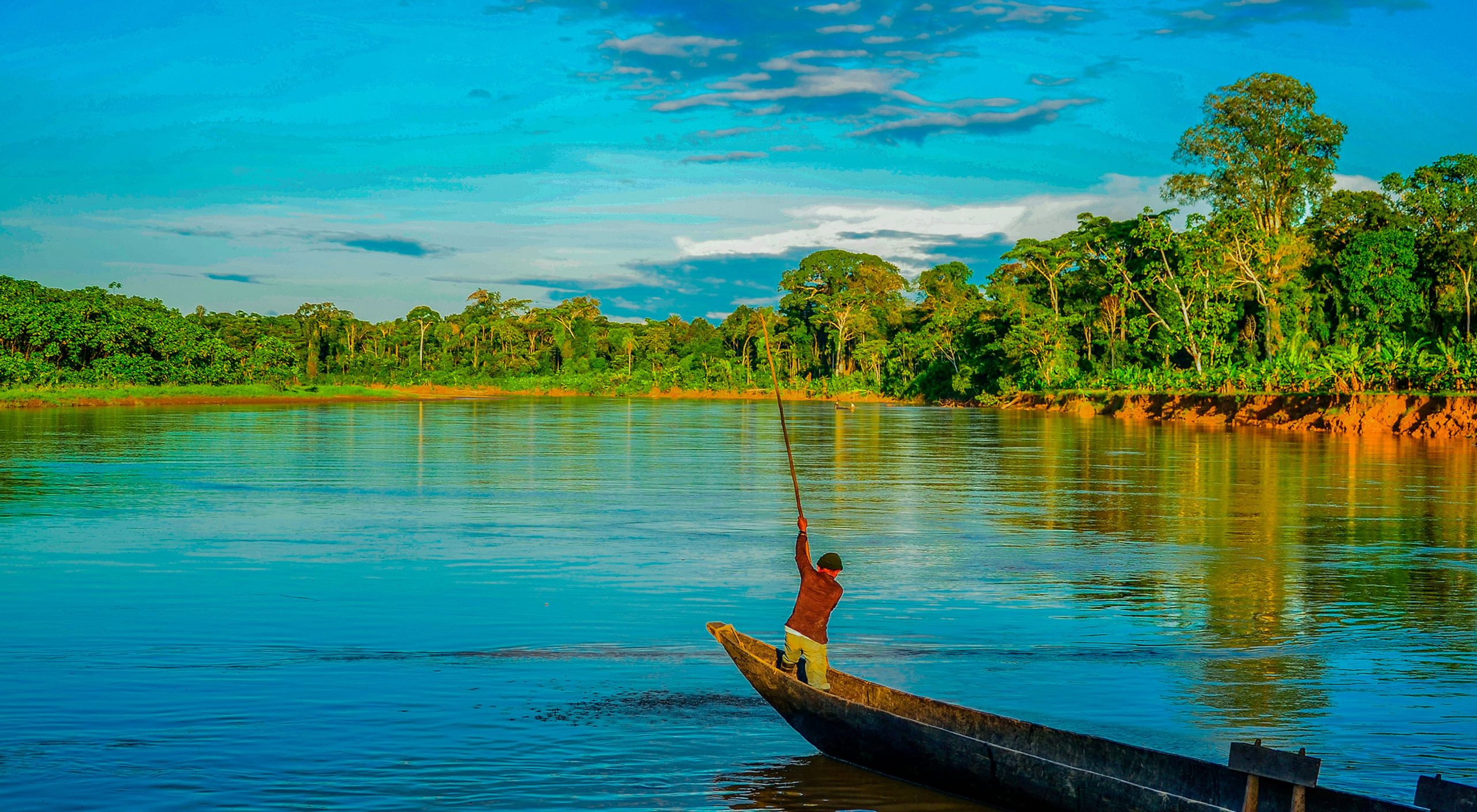
Ecuador’s Pioneering Efforts in Environmental Conservation

mistressesanonymous.com – Ecuador, a country renowned for its rich biodiversity and natural beauty, has been at the forefront of environmental conservation efforts. With a commitment to preserving its unique ecosystems and biodiversity, Ecuador has implemented various innovative programs and policies that serve as a model for global environmental stewardship.

Biodiversity Conservation and Protected Areas

Ecuador is home to a significant portion of the world’s biodiversity, with over 16% of the world’s bird species and 8% of amphibians, reptiles, and mammals found within its borders. Recognizing the importance of protecting these species, Ecuador has established a robust network of protected areas. These areas are crucial in halting deforestation and preserving habitats for endangered species.

The Socio Bosque Program, a national program of payments for biodiversity conservation, supports the conservation and management of forests, further enhancing the country’s efforts to protect its natural heritage. This program not only conserves biodiversity but also contributes to the livelihoods of local communities by providing economic incentives for conservation activities.

Freshwater Ecosystem Protection

Ecuador’s approach to freshwater ecosystem protection is exemplary. The country has implemented large-scale, effective, and inclusive conservation strategies that serve as a blueprint for other nations. These efforts are vital in maintaining the health of freshwater ecosystems, which are essential for both biodiversity and human well-being.

Environmental Education and Public Awareness

Ecuador’s commitment to environmental conservation extends to its educational system. The government has integrated environmental education into the curriculum of primary and secondary schools, ensuring that future generations are aware of the importance of environmental stewardship and conservation. This proactive approach helps to foster a culture of environmental responsibility and sustainability among the population.

Legal and Policy Framework

Ecuador’s legal and policy framework for environmental conservation is robust and comprehensive. The country’s 2008 Constitution was the first to explicitly recognize nature as a rights-bearing entity, emphasizing the importance of conservation and sustainable development. This constitutional recognition underscores the government’s commitment to environmental protection and has led to the development of stringent environmental laws and regulations.

International Commitments

Ecuador has also made significant international commitments to environmental conservation. The country has pledged to reduce its greenhouse gas emissions by 20% by 2030, focusing on the land use, land-use change, and forestry sector. This commitment aligns with global efforts to combat climate change and demonstrates Ecuador’s dedication to sustainable development on a global scale.

Conclusion

Ecuador’s contributions to environmental conservation are both significant and multifaceted. Through a combination of innovative programs, robust legal frameworks, and proactive public education, Ecuador has set a high standard for environmental stewardship. As the world faces increasing environmental challenges, Ecuador’s model of conservation offers valuable lessons and best practices that can be applied globally. By continuing to lead in environmental protection, Ecuador not only safeguards its own natural heritage but also contributes to the global effort to preserve biodiversity and combat climate change.