
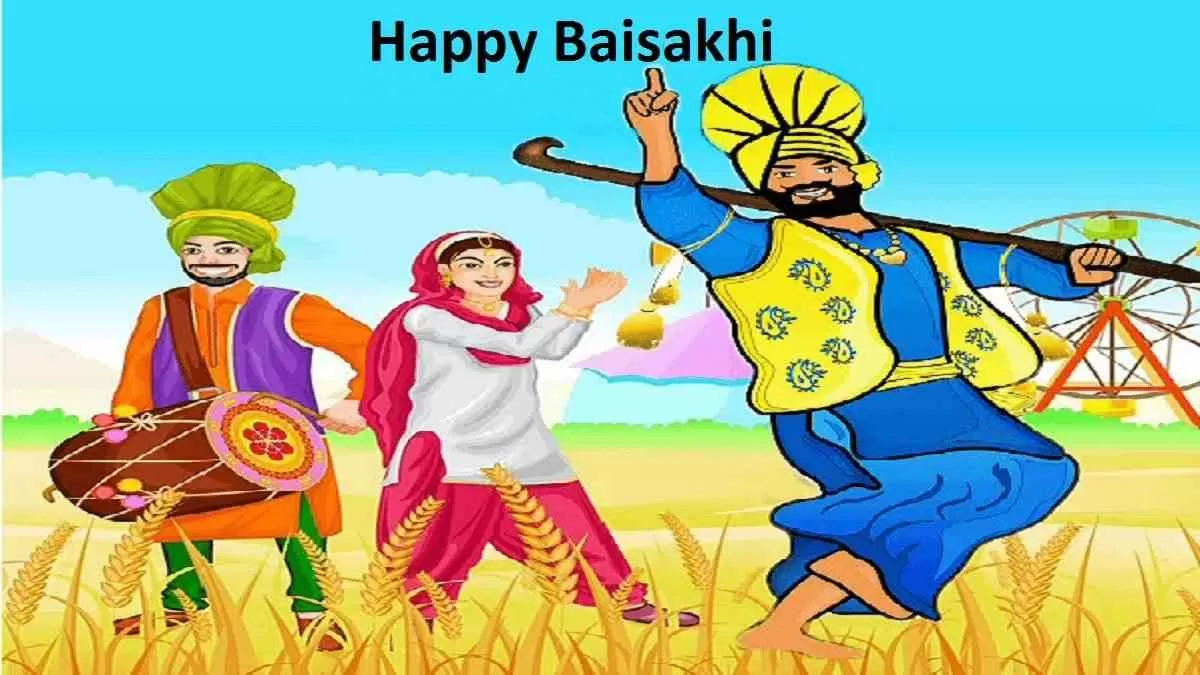
Baisakhi: A Harvest Festival of Joy and Prosperity

mistressesanonymous.com – Baisakhi, a vibrant and significant festival, is celebrated with great enthusiasm in the northern Indian states of Punjab, Haryana, and Himachal Pradesh. It marks the beginning of the Sikh New Year and the harvest season. The festival is characterized by colorful processions, folk dances, and religious ceremonies.

The Significance of Baisakhi

Baisakhi holds immense cultural and religious significance for Sikhs and Hindus alike. For Sikhs, it commemorates the formation of the Khalsa Panth by Guru Gobind Singh in 1699. This historic event marked the birth of the Sikh warrior community and the establishment of the principles of equality, justice, and service to humanity.

For Hindus, Baisakhi is a harvest festival that celebrates the bounty of nature and the hard work of farmers. It is a time to express gratitude for the blessings received and to pray for a prosperous future.

The Celebrations of Baisakhi

Baisakhi is celebrated with great fervor and enthusiasm. The celebrations typically involve the following:

  • Religious Processions: Sikhs participate in colorful processions, known as Nagar Kirtan, where they chant hymns, play musical instruments, and carry the Sikh holy book, the Guru Granth Sahib.
  • Folk Dances: Traditional folk dances like Bhangra and Gidda are performed with great energy and joy. These dances are characterized by rhythmic movements, colorful attire, and lively music.
  • Fairs and Markets: Fairs and markets are organized in various parts of Punjab and Haryana. These events offer a wide range of products, including traditional handicrafts, clothing, and food.
  • Community Feasts: People gather to enjoy delicious food and sweets. Community feasts, known as Langar, are organized, where food is served to everyone, regardless of caste, creed, or religion.

The Cultural Significance of Baisakhi

Baisakhi is a significant cultural festival that strengthens the bond between communities. It promotes values like unity, harmony, and brotherhood. The festival also plays a crucial role in preserving the rich cultural heritage of Punjab and Haryana.

Conclusion

Baisakhi is a joyous and vibrant festival that celebrates the rich cultural heritage of Punjab and Haryana. It is a time for people to come together, express gratitude, and celebrate the bounties of nature. By participating in the festivities, people strengthen their bond with their cultural roots and embrace the spirit of unity and harmony.

Albania’s Vibrant Festivals and Traditions

mistressesanonymous.com – Albania, a country rich in culture and history, is home to a variety of vibrant festivals and traditions that reflect its diverse heritage. From ancient pagan rituals to modern celebrations, these events offer a glimpse into the soul of the Albanian people. In this article, we delve into some of the most notable festivals and traditions that make Albania a unique cultural tapestry.

Spring Festivities: Dita e Verës

One of Albania’s most cherished festivals is Dita e Verës, or Summer Day, celebrated on March 14th. This ancient pagan festival marks the end of winter and the arrival of spring. People gather to celebrate with music, dancing, and traditional foods like ballokume, a delicious cornmeal cookie. The city of Elbasan is particularly famous for its vibrant celebrations, attracting visitors from across the country.

Buzmi: The Winter Solstice Tradition

Buzmi is an ancient Illyrian tradition celebrated during the winter solstice. This ritual involves lighting a ceremonial log, symbolizing the return of the sun and the promise of longer days. Families gather around the fire to share stories, songs, and food, reinforcing community bonds and honoring their ancestors. Though less widely practiced today, Buzmi remains a poignant reminder of Albania’s deep-rooted traditions.

The Day of Saints: Shën Gjergji and Shën Kolli

Albania’s religious diversity is reflected in the celebration of various saints’ days. Shën Gjergji (St. George’s Day), celebrated on April 23rd, is a day of feasting and merriment, especially in rural areas. It marks the beginning of the agricultural season and involves rituals to ensure a bountiful harvest. Shën Kolli (St. Nicholas’ Day), observed on December 6th, is another important religious festival, characterized by church services and family gatherings.

Tirana International Film Festival

In recent years, Albania has embraced a more modern cultural expression through events like the Tirana International Film Festival. Held annually in the capital city, this festival showcases films from around the world, highlighting Albania’s growing influence in the global arts scene. It provides a platform for emerging filmmakers and fosters cultural exchange and creativity.

Folk Festivals: A Celebration of Music and Dance

Albanian folk music and dance are integral to the country’s cultural identity. Festivals such as the Gjirokastër National Folklore Festival, held every five years, celebrate these traditional art forms. This event brings together performers from across Albania and the Albanian diaspora, showcasing vibrant costumes, intricate dances, and soulful music that have been passed down through generations.

Conclusion

Albania’s festivals and traditions are a testament to its rich cultural heritage and the resilience of its people. From ancient rituals to contemporary celebrations, these events offer a unique insight into the diverse tapestry of Albanian life. Whether you are drawn to the rhythmic beats of folk dances or the communal warmth of traditional gatherings, exploring Albania’s vibrant festivals is an unforgettable cultural journey.

Traditional Festivals: A Malaysian Celebration

mistressesanonymous.com – Malaysia is a country rich in cultural diversity, where traditional festivals play a significant role in uniting its people. These celebrations, rooted in the nation’s multi-ethnic heritage, offer a glimpse into the vibrant cultural tapestry that defines Malaysia. From colorful parades to spiritual rituals, these festivals are an integral part of Malaysian life.

Hari Raya Aidilfitri

One of the most significant celebrations in Malaysia is Hari Raya Aidilfitri, marking the end of Ramadan, the Islamic holy month of fasting. This festival is a time for forgiveness and renewal, where families come together to share meals and seek forgiveness from one another. Homes are decorated with lights and traditional Malay dishes, such as ketupat and rendang, are prepared and shared with neighbors and visitors.

Chinese New Year

Celebrated by the Malaysian Chinese community, Chinese New Year is a time of joy and prosperity. The festival is marked by vibrant lion dances, the clanging of cymbals, and the exchange of red packets (angpows) filled with money. Families come together to enjoy reunion dinners, featuring traditional dishes that symbolize luck and fortune. The streets come alive with decorations in shades of red and gold, symbolizing good luck and happiness.

Deepavali

Deepavali, also known as the Festival of Lights, is celebrated by Malaysian Hindus to signify the victory of light over darkness. Homes and temples are adorned with oil lamps and colorful rangoli designs. The festival is a time for prayer, reflection, and the sharing of sweets and traditional Indian dishes. Deepavali fosters a sense of community and togetherness, as families visit each other and exchange gifts.

Gawai Dayak

Celebrated by the indigenous Dayak people of Sarawak, Gawai Dayak is a harvest festival that honors the rice spirit and marks the end of the harvesting season. The festival features traditional music and dance, with longhouses filled with laughter and the aroma of rice wine. It is a time for thanksgiving and to honor the ancestors, with rituals and ceremonies that have been passed down through generations.

Conclusion

Traditional festivals in Malaysia are more than just celebrations; they are a testament to the country’s rich cultural heritage and the harmonious coexistence of its diverse communities. These festivals offer a unique opportunity for Malaysians to come together, regardless of their background, to celebrate their shared identity and values. Through these vibrant celebrations, Malaysia showcases its unity in diversity, inviting everyone to partake in its joyous traditions.