
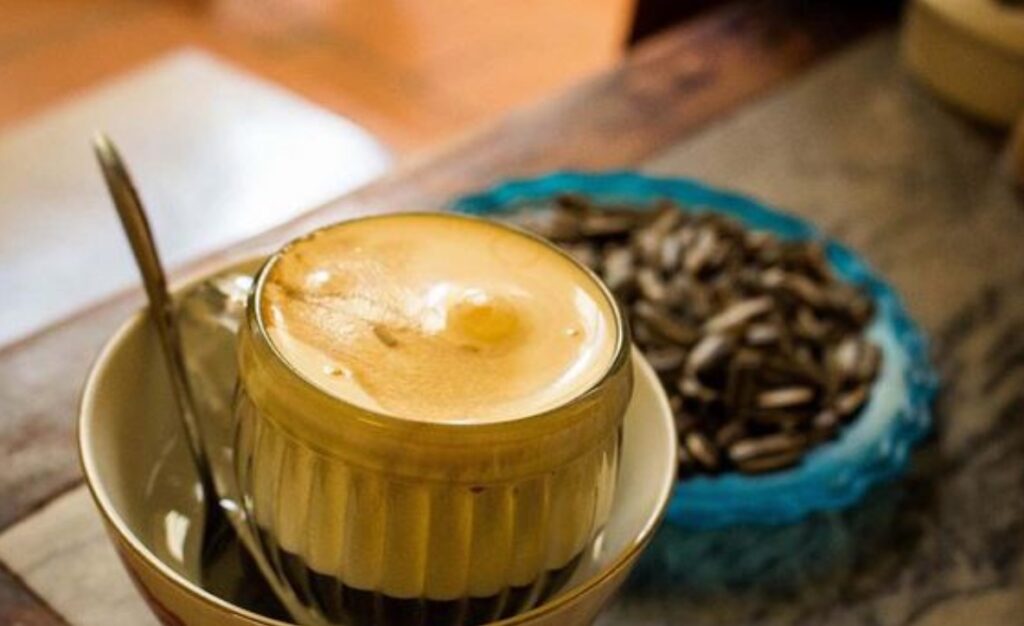
The Rich Flavors of Ca Phe Trung: Vietnam’s Egg Coffee

mistressesanonymous.com – Ca Phe Trung, or Egg Coffee, is a unique and beloved beverage from Vietnam that combines the boldness of coffee with the creamy richness of egg yolk. Originating in Hanoi, this special drink has captivated coffee enthusiasts around the world with its distinctive taste and frothy texture. It is a testament to the creativity and resourcefulness embedded in Vietnamese culinary traditions.

The History of Egg Coffee

Egg Coffee was invented in the 1940s by Nguyen Van Giang, who worked as a bartender at the Sofitel Legend Metropole Hotel in Hanoi. During a period of milk scarcity, Giang ingeniously substituted egg yolks for milk to create a creamy coffee drink. This innovative concoction quickly gained popularity, leading to the establishment of the Giang Cafe, which continues to serve this iconic beverage to this day.

Ingredients and Preparation

Ingredients

The primary ingredients for Ca Phe Trung include Vietnamese robusta coffee, egg yolks, sugar, and sweetened condensed milk. Some variations may also incorporate vanilla extract for additional flavor.

Preparation

To prepare Egg Coffee, robusta coffee is brewed using a traditional Vietnamese drip filter, known as a “phin.” While the coffee is brewing, egg yolks are whisked with sugar and sweetened condensed milk until they form a thick, frothy mixture. The whipped egg mixture is then carefully poured over the hot coffee, creating a layered effect. The result is a rich, creamy topping that contrasts beautifully with the strong, dark coffee beneath.

How to Enjoy Ca Phe Trung

Ca Phe Trung is typically served in a small cup, often placed in a bowl of hot water to maintain its warmth. The drink is enjoyed by sipping the frothy egg cream first, followed by the robust coffee. The combination of sweet, creamy, and bitter flavors provides a delightful sensory experience. Some cafes also offer variations with added chocolate or matcha for those seeking different flavor profiles.

Cultural Significance

Egg Coffee is more than just a beverage; it is a cultural icon in Vietnam. It represents the ingenuity and adaptability of the Vietnamese people during challenging times. Today, it is a must-try for visitors to Hanoi, offering a glimpse into the local coffee culture and a taste of history.

Conclusion

Ca Phe Trung stands out as a unique and delicious expression of Vietnamese coffee culture. Its rich history, inventive preparation, and delightful taste make it a memorable treat for coffee lovers around the world. Whether you’re a coffee aficionado or simply curious, Egg Coffee is a delightful experience that should not be missed when exploring the culinary offerings of Vietnam.

Exploring Ballarat: A City Rich in History and Culture

mistressesanonymous.com – Ballarat, located in the heart of Victoria, Australia, is a city that beautifully marries its rich historical past with modern-day charm. Known for its pivotal role during the gold rush era, Ballarat offers visitors a glimpse into the past while providing a lively cultural scene and picturesque landscapes.

The Gold Rush Legacy

Ballarat’s history is deeply intertwined with the Australian gold rush of the mid-19th century. In 1851, the discovery of gold transformed this quiet pastoral area into one of the wealthiest cities in the world at the time. Today, Sovereign Hill, an open-air museum, brings this era to life with its recreated gold-rush town. Visitors can pan for gold, explore underground mines, and engage with costumed characters that depict the daily life of that vibrant period.

Architectural Grandeur

The wealth generated from the gold rush is evident in Ballarat’s stunning Victorian architecture. Stroll down Lydiard Street and you’ll be captivated by the beautifully preserved heritage buildings that house art galleries, theaters, and boutique shops. The grand Ballarat Town Hall and the ornate Her Majesty’s Theatre are must-see landmarks that reflect the city’s prosperous past.

Cultural and Artistic Hub

Ballarat is a city that celebrates the arts. The Art Gallery of Ballarat showcases an impressive collection of Australian art, from colonial to contemporary works. The city also hosts a variety of cultural events throughout the year, including the Ballarat International Foto Biennale and the Ballarat Heritage Weekend, which draw visitors with their diverse and engaging programs.

Nature and Recreation

Surrounded by lush landscapes, Ballarat offers plenty of opportunities for outdoor activities. Lake Wendouree, a man-made lake in the heart of the city, is a popular spot for rowing, picnicking, and birdwatching. The Ballarat Botanical Gardens, located along the lake’s western shore, feature beautiful floral displays and an impressive collection of marble statues, providing a serene escape for residents and visitors alike.

A Taste of Ballarat

Ballarat’s culinary scene is thriving, with a variety of cafes, restaurants, and markets offering delicious local produce and gourmet experiences. From artisanal bakeries to fine dining establishments, the city caters to all tastes. Local wineries and breweries also provide a taste of the region’s finest beverages.

Conclusion

Ballarat is a city that offers a rich tapestry of history, culture, and natural beauty. Whether you’re exploring its gold rush heritage, enjoying its vibrant arts scene, or simply relaxing in its beautiful gardens, Ballarat provides an enriching experience for all who visit. It’s a city where the past and present coexist harmoniously, making it a unique and captivating destination.

Syria’s Traditional Arts and Crafts

mistressesanonymous.com – Syria, a land of rich history and cultural diversity, is renowned for its vibrant traditional arts and crafts. These artistic expressions reflect the country’s deep-rooted heritage and the influence of various civilizations that have passed through its lands. This article explores the significance of Syria’s traditional arts and crafts, highlighting their unique characteristics and the efforts to preserve them amidst contemporary challenges.

A Rich Tapestry of Cultural Heritage

The traditional arts and crafts of Syria are a testament to the country’s diverse cultural influences, including those of the Assyrians, Greeks, Romans, Byzantines, and Ottomans. Each of these civilizations has left its mark, contributing to the intricate tapestry of Syrian artistic traditions. From textiles and ceramics to jewelry and woodwork, Syrian crafts are known for their exquisite craftsmanship and attention to detail.

Textile Arts: Weaving and Embroidery

Textiles are one of Syria’s most celebrated crafts, with a rich tradition of weaving and embroidery. Syrian textiles are characterized by vibrant colors, intricate patterns, and high-quality materials such as silk and wool. Famous for their craftsmanship, Syrian weavers have produced a variety of textiles, including carpets, kilims, and traditional clothing.

Embroidery, known as “tatriz,” is another significant aspect of Syrian textile art. It involves hand-stitching elaborate designs onto fabric, often using motifs inspired by nature and geometric patterns. This craft is a cherished tradition passed down through generations, symbolizing cultural identity and artistic expression.

Pottery and Ceramics

Syrian pottery and ceramics are renowned for their beauty and functionality. Artisans create a wide range of items, from everyday kitchenware to decorative pieces, using traditional techniques that have been refined over centuries. Syrian ceramics often feature intricate designs and motifs, with glazing techniques that produce vibrant colors and finishes.

The city of Aleppo, in particular, is known for its distinctive ceramic tiles, which have been used to adorn homes and religious buildings. These tiles often depict floral and geometric patterns, adding a touch of elegance and artistry to architectural spaces.

Jewelry and Metalwork

Syrian jewelry is celebrated for its intricate designs and craftsmanship. Artisans use precious metals such as gold and silver, often incorporating gemstones and enamel to create stunning pieces. Traditional Syrian jewelry includes necklaces, bracelets, earrings, and rings, many of which feature symbolic motifs and designs.

Metalwork is another important craft, with Syrian artisans producing a variety of items, including lamps, trays, and decorative objects. The art of metal engraving, known as “damascening,” involves inlaying gold or silver into a dark metal background, creating intricate and beautiful designs.

Woodwork and Inlay

Syrian woodwork is distinguished by its precision and artistry. Artisans create furniture, musical instruments, and decorative items using techniques such as carving and inlay. The art of wood inlay, known as “marquetry,” involves embedding pieces of wood, ivory, or mother-of-pearl into a wooden surface to create intricate patterns and designs.

The city of Damascus is famous for its high-quality woodwork, particularly the production of ornate furniture and decorative boxes. These items are often adorned with geometric and floral patterns, showcasing the skill and creativity of Syrian artisans.

Preserving Traditional Arts and Crafts

The preservation of Syria’s traditional arts and crafts is crucial for maintaining cultural heritage and identity. However, the ongoing conflict and economic challenges have posed significant threats to these traditions. Many artisans have been displaced, and the demand for traditional crafts has declined.

Efforts to preserve and revitalize these crafts are underway, with initiatives to support artisans and promote their work both locally and internationally. Cultural organizations and NGOs are working to document traditional techniques, provide training, and create platforms for artisans to showcase their skills.

Conclusion

Syria’s traditional arts and crafts are a testament to the country’s rich cultural heritage and the creativity of its people. Despite the challenges posed by conflict and modernization, these crafts continue to inspire and captivate with their beauty and craftsmanship. By supporting and preserving these traditions, Syria can ensure that its artistic legacy endures for future generations to appreciate and enjoy.