

Persian Gardens: The Modern Revival – A Symbol of Paradise

mistressesanonymous.com – The Persian garden, known for its exquisite design, lush greenery, and serene beauty, has long been considered a symbol of paradise on earth. Rooted in centuries of Persian culture and history, these gardens reflect a deep connection to nature and spiritual ideals. The concept of the Persian garden has not only shaped the landscape of Iran but has also influenced garden design across the Islamic world and beyond, including places like India and Europe.

The Origins of Persian Gardens

The history of Persian gardens dates back to ancient times, with their roots in the Achaemenid Empire (550–330 BCE) under rulers like Cyrus the Great and Darius I. The term “paradise” itself comes from the Persian word pairidaeza, meaning a walled enclosure or garden. Ancient Persian gardens were designed to provide an oasis of peace and tranquility in the arid landscapes of Iran, offering a space for relaxation, contemplation, and spiritual connection.

Gardens in ancient Persia were often walled, reflecting the concept of a paradise that was both protected and ordered. The division of space into geometric sections symbolized harmony and balance, while water, trees, and plants were seen as representations of life, fertility, and renewal.

The Chahar Bagh Design: The Heart of Persian Gardens

One of the most distinctive features of Persian gardens is the chahar bagh design, meaning “four gardens.” This layout divides the garden into four quadrants, symbolizing the four elements (earth, water, air, and fire) or the four seasons. At the center of the garden is often a pool or fountain, with channels of water flowing through the quadrants in a cross pattern.

Water played a central role in Persian gardens, both as a practical necessity in the arid climate and as a symbolic element. Flowing water represented the flow of life, purification, and divine sustenance. The presence of water in the garden also served to cool the air, creating a pleasant and refreshing atmosphere in the often-hot climate of Iran.

The chahar bagh design reflected not only physical order but also spiritual harmony. The geometry and symmetry of the gardens were intended to evoke a sense of unity between nature and the divine, embodying the Persian ideal of paradise.

Symbolism in Persian Gardens

Persian gardens were deeply symbolic, representing a connection between humanity, nature, and the divine. Gardens were often viewed as earthly representations of heaven or paradise, which is reflected in Persian literature and religious texts. The emphasis on symmetry and the use of water, plants, and shade were meant to evoke the idea of eternal bliss and peace.

Trees were an essential element of Persian gardens, representing life, wisdom, and strength. Cypress trees, for example, were often planted to symbolize eternity and resilience, while fruit trees represented abundance and nourishment. Flowers, particularly roses, symbolized beauty and love, and their vibrant colors added to the visual allure of the gardens.

Persian gardens also played an important role in Persian poetry and literature. Poets like Hafez, Saadi, and Rumi often used the imagery of gardens to convey spiritual and romantic themes. The garden became a metaphor for the soul’s journey toward enlightenment and love.

The Role of Water in Persian Gardens

Water is a defining feature of Persian gardens and serves both practical and symbolic purposes. In the dry, arid landscape of Iran, water was essential for sustaining life, and the clever use of irrigation systems, such as the qanat (underground channels), allowed the gardens to flourish.

In Persian gardens, water is often found in the form of pools, fountains, and running streams. These water features create a soothing and cooling atmosphere, making the garden a refreshing retreat from the heat. Symbolically, water represents purification, renewal, and the flow of life. In Islamic tradition, water is also associated with spiritual purity and is often featured in religious architecture and garden design.

The sound of flowing water and the reflective surfaces of pools added to the sensory experience of the garden, enhancing its peaceful and meditative qualities. Water’s reflective surface also created a sense of infinity, further emphasizing the garden’s representation of paradise.

Famous Persian Gardens

Some of the most iconic examples of Persian gardens have been preserved and celebrated for their beauty and historical significance. These gardens reflect the artistic and architectural achievements of Persian culture throughout different dynasties, including the Safavid, Timurid, and Qajar periods.

  1. Bagh-e Fin (Fin Garden) Located in the city of Kashan, Fin Garden is one of the most famous examples of a Persian garden. It dates back to the Safavid period (16th century) and features the traditional chahar bagh design, with flowing water, fountains, and lush greenery. The garden is also significant for its historical connections, including being the site of the assassination of Prime Minister Amir Kabir in the 19th century.
  2. Shah Goli (El Goli Garden) Situated in the city of Tabriz, Shah Goli is a magnificent garden featuring a large central pool and walkways lined with trees. Originally created during the Safavid period, the garden has been restored and remains a popular recreational area for locals and tourists alike.
  3. Eram Garden (Bagh-e Eram) Located in Shiraz, Eram Garden is a stunning example of Persian garden design with its lush greenery, colorful flowers, and flowing water channels. The garden is part of a larger complex that includes a beautiful Qajar-era palace, and it is a UNESCO World Heritage Site.
  4. Chehel Sotoun Garden Located in Isfahan, Chehel Sotoun is a palace garden constructed during the Safavid era. The name “Chehel Sotoun” means “Forty Columns,” referring to the twenty columns of the palace that are reflected in the pool, creating the illusion of forty columns. The garden exemplifies the grandeur and elegance of Safavid architecture and landscaping.

Persian Gardens’ Influence on Global Garden Design

The concept of the Persian garden extended far beyond Iran’s borders, influencing garden design in places like India, Spain, and Italy. One of the most famous examples is the Mughal gardens in India, including the design of the Taj Mahal’s garden, which was directly inspired by Persian chahar bagh principles.

In Spain, the Alhambra gardens in Granada also reflect Persian influences, particularly in the use of water features, geometric designs, and enclosed spaces. The Persian garden’s focus on symmetry, tranquility, and the use of water and plants as metaphors for paradise has left a lasting legacy on garden design around the world.

The Modern Revival of Persian Gardens

In recent years, Persian gardens have been recognized as important cultural and historical treasures, with many being designated as UNESCO World Heritage Sites. Efforts to preserve and restore these gardens continue, ensuring that future generations can experience their beauty and significance.

Today, Persian gardens remain a source of national pride and are admired for their aesthetic qualities and deep spiritual symbolism. They offer visitors a glimpse into the ancient traditions of Iran, where nature and human creativity come together to create a harmonious and serene environment.

Conclusion

Persian gardens are more than just beautiful landscapes; they are a reflection of the cultural, spiritual, and artistic ideals of Iranian society. The emphasis on harmony, balance, and the representation of paradise on earth has made these gardens a symbol of peace and divine connection. From ancient times to the present day, Persian gardens continue to inspire and captivate, leaving an indelible mark on garden design and cultural heritage across the world.
Japanese Anemone: A Delicate Beauty for Fall Gardens

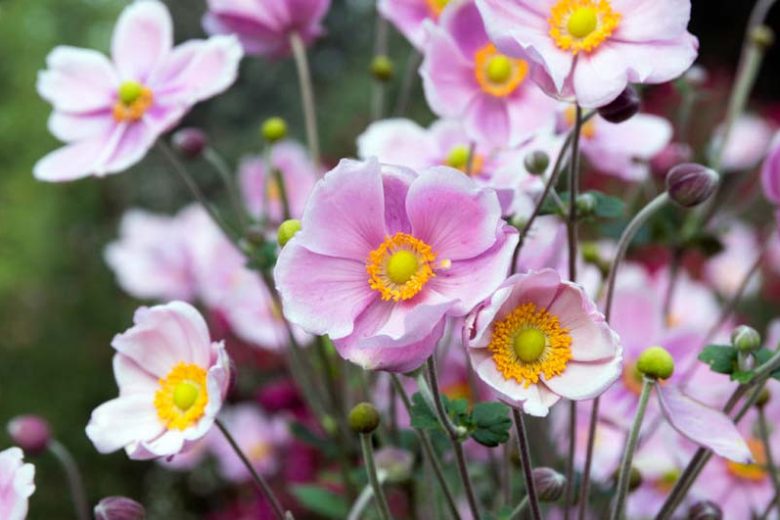
mistressesanonymous.com – The Japanese Anemone (Anemone hupehensis) is a stunning perennial flower known for its graceful, delicate blooms that bring color and elegance to gardens in late summer and fall. With its soft, pastel flowers and elegant foliage, this plant is a popular choice for gardeners looking to extend the flowering season into autumn. Its ability to thrive in partial shade and adapt to various soil types makes it a versatile addition to any garden.

Appearance and Characteristics

Japanese Anemones are characterized by their elegant, large, single or semi-double flowers, which come in shades of white, pink, and purple. The petals of these flowers have a soft, silky texture and typically surround a central cluster of golden stamens. The flowers, which grow up to 3-4 inches in diameter, bloom in late summer to early fall, making them one of the few plants that brighten up gardens as many other flowers begin to fade.

The plant grows to a height of 2 to 4 feet, with dark green, lobed foliage that adds texture and contrast to the flowers. The leaves have a rich, glossy appearance, which enhances the plant’s overall visual appeal. Japanese Anemones are known for their upright growth habit, often forming graceful, clumping masses that create an elegant presence in garden beds.

Growing Conditions

Japanese Anemones are native to East Asia, where they thrive in cool, temperate climates. They are well-suited to growing in areas with partial shade, though they can tolerate full sun in cooler regions. These flowers prefer rich, well-drained, and slightly acidic to neutral soil. The plant does well in moist environments but should not be exposed to waterlogged conditions, as this can lead to root rot.

One of the advantages of growing Japanese Anemones is their adaptability. They can tolerate a variety of soil types, including loamy, sandy, or clay soils, as long as they are well-drained. In addition, they are relatively drought-tolerant once established, though they will benefit from consistent moisture during their blooming season.

Care and Maintenance

Japanese Anemones are low-maintenance plants, but a few key care guidelines will help them thrive in your garden:

  1. Watering: Keep the soil consistently moist, especially during dry spells in late summer and fall when the plant is actively blooming. However, avoid overwatering or letting the soil become soggy.
  2. Light: Japanese Anemones prefer partial shade, especially in warmer climates, but they can tolerate full sun in cooler regions with adequate moisture.
  3. Pruning: Deadheading spent flowers can help encourage more blooms and maintain a tidy appearance. In late fall or early spring, cut back the plant to the ground to promote healthy new growth.
  4. Fertilizing: Fertilize Japanese Anemones in early spring with a balanced fertilizer to encourage vigorous growth and abundant flowers.
  5. Winter Care: Japanese Anemones are generally hardy in colder climates and can survive winter temperatures. Mulching around the base of the plant in the fall can provide extra protection and help retain moisture during the winter months.

Attracting Pollinators

Japanese Anemones are excellent plants for attracting pollinators to your garden. Their flowers are particularly appealing to bees, butterflies, and other beneficial insects, which are drawn to the nectar-rich blooms. By planting these flowers, you can help support local pollinator populations, especially as other garden flowers begin to wind down for the season. The late bloom period of Japanese Anemones provides vital resources for pollinators preparing for the colder months.

Japanese Anemones in the Landscape

With their graceful, delicate flowers and attractive foliage, Japanese Anemones make an excellent choice for a variety of garden styles. They are particularly well-suited to woodland gardens, where their preference for partial shade fits in well with the dappled light found under trees. They also work beautifully in cottage gardens, perennial borders, or as part of a mixed flower bed.

Japanese Anemones can be used as background plants or along the edges of borders, where their tall, upright growth creates a soft, flowing appearance. They also pair well with other late-blooming plants, such as asters, chrysanthemums, or sedums, creating a stunning display of autumn color.

Conclusion

The Japanese Anemone is a lovely and versatile perennial that adds a touch of elegance and color to any garden. With its delicate blooms, attractive foliage, and ability to thrive in partial shade, it’s an excellent choice for extending the growing season into fall. Whether used in a woodland garden, a cottage garden, or as part of a mixed border, Japanese Anemones are sure to enhance your landscape with their graceful beauty and ability to attract pollinators.

Foxglove: A Tall and Graceful Garden Classic

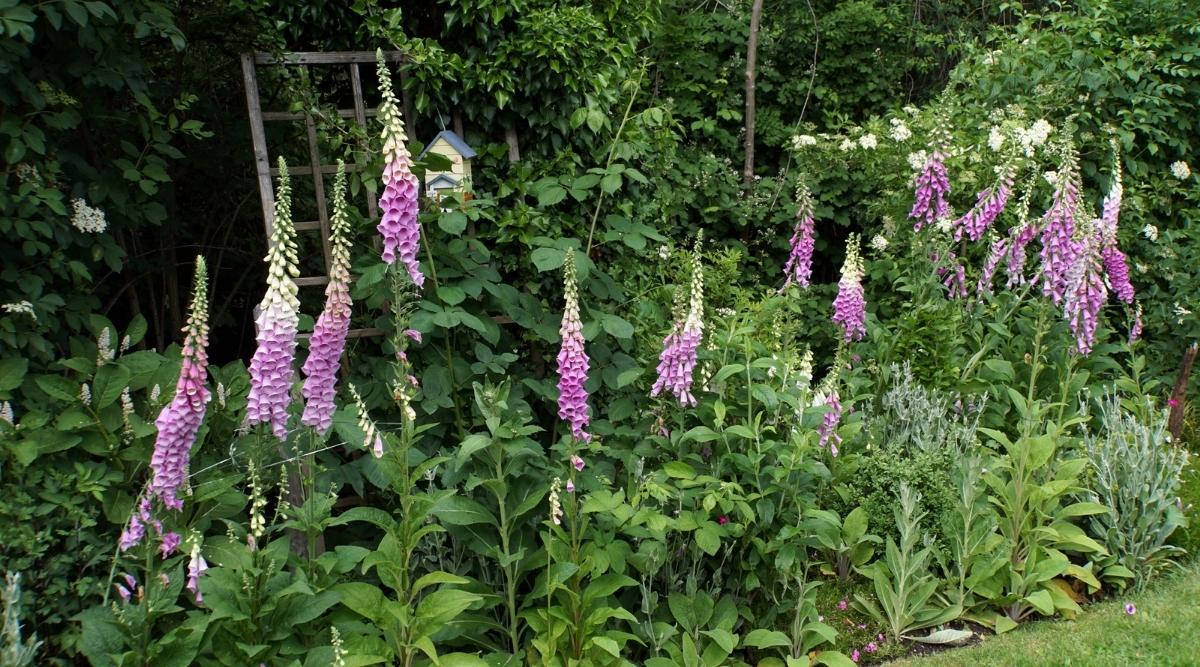
mistressesanonymous.com – Foxglove (Digitalis purpurea) is a striking and elegant flower known for its towering spires of tubular blooms. Loved for its vertical height and beauty, this biennial or short-lived perennial is a favorite in cottage gardens and borders. With its vibrant colors and distinct bell-shaped flowers, Foxglove adds a dramatic flair to any garden while attracting pollinators like bees and hummingbirds. Here’s a closer look at this enchanting plant.

Appearance and Characteristics

Foxglove is easily recognized by its tall, upright spikes that can reach 2 to 5 feet in height. Each spike is covered with rows of tubular flowers, typically in shades of purple, pink, white, or yellow, with speckled throats that add a touch of intricate beauty. The flowers open from the bottom of the spike upwards, creating a long-lasting display. The plant’s foliage is a rosette of large, deep green, lance-shaped leaves that provide a sturdy base for the towering flower spikes.

Planting and Growing Conditions

Foxglove thrives in a variety of conditions, but it prefers well-drained soil and partial shade. It is also known to tolerate full sun in cooler climates, but it appreciates some afternoon shade in hotter regions. As a biennial, Foxglove spends its first year growing foliage and will bloom in its second year before reseeding itself. For continuous blooms in your garden, it’s best to plant Foxglove two years in a row to ensure yearly flowering. It can be grown from seeds or purchased as young plants and transplanted into the garden after the last frost.

Care and Maintenance

Foxglove is a relatively low-maintenance plant that requires minimal care once established. Regular watering is needed to keep the soil evenly moist, especially during dry periods. Mulching around the base of the plant helps retain moisture and keeps the roots cool. Deadheading spent flowers can encourage the plant to produce side shoots, leading to more blooms. However, allow some flowers to go to seed if you want Foxglove to self-sow and return in future years. Foxglove is generally pest and disease-resistant, although it’s essential to provide good air circulation to prevent fungal issues.

Caution: Toxicity

While Foxglove is a beautiful and alluring plant, it is important to note that all parts of the plant, including the leaves, flowers, and seeds, are highly toxic if ingested. Foxglove contains compounds that can affect the heart, so it’s crucial to handle the plant with care, especially in gardens where pets or children may be present. Wearing gloves when handling the plant is also advisable to avoid skin irritation.

Uses in Landscaping

Foxglove is a versatile plant that works well in cottage gardens, woodland settings, and along garden borders. Its tall, dramatic spikes make it an excellent backdrop for shorter plants, adding vertical interest and structure to flower beds. The plant pairs well with other classic garden flowers like roses, delphiniums, and peonies. It is also a valuable plant for attracting bees and hummingbirds, making it a great addition to pollinator-friendly gardens.

Conclusion

Foxglove is a timeless garden favorite that brings height, grace, and charm to any landscape. With its tall, colorful spires and delicate bell-shaped flowers, it creates a captivating display that can last for weeks. Whether used as a focal point in a cottage garden or as part of a layered border, Foxglove is sure to impress with its beauty and elegance. Just remember to handle it with care due to its toxicity, and this graceful plant will reward you with a stunning garden presence year after year.