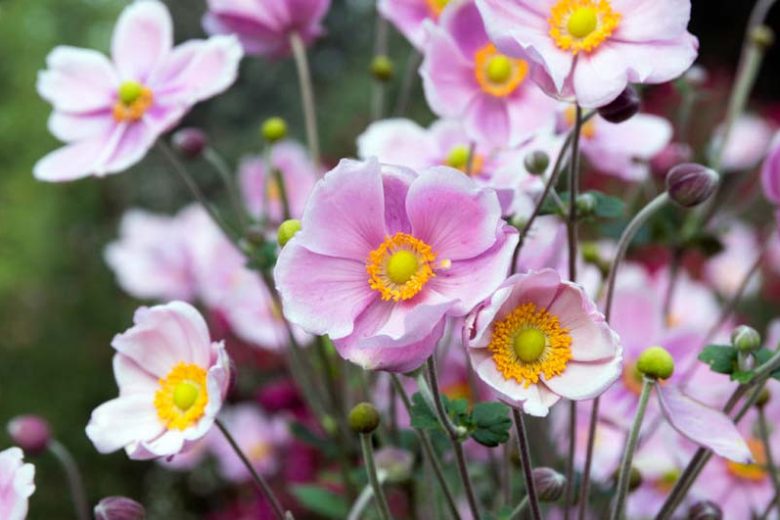
mistressesanonymous.com – The Japanese Anemone (Anemone hupehensis) is a stunning perennial flower known for its graceful, delicate blooms that bring color and elegance to gardens in late summer and fall. With its soft, pastel flowers and elegant foliage, this plant is a popular choice for gardeners looking to extend the flowering season into autumn. Its ability to thrive in partial shade and adapt to various soil types makes it a versatile addition to any garden.
Appearance and Characteristics
Japanese Anemones are characterized by their elegant, large, single or semi-double flowers, which come in shades of white, pink, and purple. The petals of these flowers have a soft, silky texture and typically surround a central cluster of golden stamens. The flowers, which grow up to 3-4 inches in diameter, bloom in late summer to early fall, making them one of the few plants that brighten up gardens as many other flowers begin to fade.
The plant grows to a height of 2 to 4 feet, with dark green, lobed foliage that adds texture and contrast to the flowers. The leaves have a rich, glossy appearance, which enhances the plant’s overall visual appeal. Japanese Anemones are known for their upright growth habit, often forming graceful, clumping masses that create an elegant presence in garden beds.
Growing Conditions
Japanese Anemones are native to East Asia, where they thrive in cool, temperate climates. They are well-suited to growing in areas with partial shade, though they can tolerate full sun in cooler regions. These flowers prefer rich, well-drained, and slightly acidic to neutral soil. The plant does well in moist environments but should not be exposed to waterlogged conditions, as this can lead to root rot.
One of the advantages of growing Japanese Anemones is their adaptability. They can tolerate a variety of soil types, including loamy, sandy, or clay soils, as long as they are well-drained. In addition, they are relatively drought-tolerant once established, though they will benefit from consistent moisture during their blooming season.
Care and Maintenance
Japanese Anemones are low-maintenance plants, but a few key care guidelines will help them thrive in your garden:
- Watering: Keep the soil consistently moist, especially during dry spells in late summer and fall when the plant is actively blooming. However, avoid overwatering or letting the soil become soggy.
- Light: Japanese Anemones prefer partial shade, especially in warmer climates, but they can tolerate full sun in cooler regions with adequate moisture.
- Pruning: Deadheading spent flowers can help encourage more blooms and maintain a tidy appearance. In late fall or early spring, cut back the plant to the ground to promote healthy new growth.
- Fertilizing: Fertilize Japanese Anemones in early spring with a balanced fertilizer to encourage vigorous growth and abundant flowers.
- Winter Care: Japanese Anemones are generally hardy in colder climates and can survive winter temperatures. Mulching around the base of the plant in the fall can provide extra protection and help retain moisture during the winter months.
Attracting Pollinators
Japanese Anemones are excellent plants for attracting pollinators to your garden. Their flowers are particularly appealing to bees, butterflies, and other beneficial insects, which are drawn to the nectar-rich blooms. By planting these flowers, you can help support local pollinator populations, especially as other garden flowers begin to wind down for the season. The late bloom period of Japanese Anemones provides vital resources for pollinators preparing for the colder months.
Japanese Anemones in the Landscape
With their graceful, delicate flowers and attractive foliage, Japanese Anemones make an excellent choice for a variety of garden styles. They are particularly well-suited to woodland gardens, where their preference for partial shade fits in well with the dappled light found under trees. They also work beautifully in cottage gardens, perennial borders, or as part of a mixed flower bed.
Japanese Anemones can be used as background plants or along the edges of borders, where their tall, upright growth creates a soft, flowing appearance. They also pair well with other late-blooming plants, such as asters, chrysanthemums, or sedums, creating a stunning display of autumn color.
Conclusion
The Japanese Anemone is a lovely and versatile perennial that adds a touch of elegance and color to any garden. With its delicate blooms, attractive foliage, and ability to thrive in partial shade, it’s an excellent choice for extending the growing season into fall. Whether used in a woodland garden, a cottage garden, or as part of a mixed border, Japanese Anemones are sure to enhance your landscape with their graceful beauty and ability to attract pollinators.