
The Delicate Charm of the Rock Soapwort Flower

mistressesanonymous.com – Rock Soapwort (Saponaria ocymoides) is a low-growing, mat-forming perennial known for its clusters of small, pink flowers that create a charming carpet of color. Native to the rocky regions of southern Europe, this resilient plant thrives in alpine and dry gardens, where it adds beauty and groundcover to challenging landscapes. Rock Soapwort is a favorite among gardeners for its vibrant display and its ability to flourish in poor soil conditions.

Appearance and Growth

Rock Soapwort is a spreading plant that grows up to 6 to 12 inches in height and can spread to about 18 to 24 inches wide, forming a dense mat of green foliage. Its small, oval leaves are bright green, providing an attractive backdrop for the profusion of tiny, five-petaled flowers that bloom in late spring through summer. The flowers are usually pink but can also appear in shades of white or light purple. The plant’s trailing stems make it ideal for cascading over walls or filling crevices in rock gardens.

Flowering and Pollination

The delicate flowers of Rock Soapwort are not only beautiful but also attract a variety of pollinators, including bees and butterflies. The plant blooms from late spring to early summer, and its long-lasting flowers create a stunning visual display. The blooms are lightly fragrant, adding an extra sensory element to the garden. Rock Soapwort’s ability to spread quickly and cover large areas with its blooms makes it a useful plant for filling gaps in garden beds or along rocky slopes.

Care and Cultivation

Rock Soapwort is a tough, low-maintenance plant that is perfect for gardeners seeking a resilient groundcover. It thrives in full sun but can tolerate partial shade. The plant prefers well-draining soil and can grow in poor, rocky, or sandy soils, making it ideal for rock gardens, borders, and dry slopes. Once established, Rock Soapwort is drought-tolerant and requires minimal watering. It’s also relatively pest-free and disease-resistant, which further enhances its appeal as a low-maintenance garden plant. Pruning after the flowering season helps maintain its neat shape and encourages more blooms.

Uses in Landscaping

Rock Soapwort is often used as a groundcover in rock gardens or alpine gardens due to its spreading habit and tolerance for poor soils. Its trailing stems also make it a popular choice for planting along walls, in crevices, or at the edges of garden beds, where it can cascade over rocks or pathways. The plant is also excellent for erosion control on slopes, as its dense growth helps stabilize soil. Gardeners often pair Rock Soapwort with other drought-tolerant plants, such as sedums and other rock garden favorites, to create visually appealing, low-water landscapes.

Historical Uses and Symbolism

Historically, the Rock Soapwort plant, like other members of the Saponaria genus, was used to make soap. The plant’s roots and leaves contain natural saponins, which produce a soapy lather when mixed with water. This quality made it useful for cleaning fabrics and other household uses in centuries past. Today, the plant is mostly grown for its ornamental value, but its historical significance adds to its charm.

Conclusion

Rock Soapwort is a versatile and beautiful groundcover that adds a delicate touch to rock gardens, borders, and dry landscapes. Its vibrant pink blooms, low-maintenance care, and ability to thrive in poor soil conditions make it an excellent choice for gardeners looking for a tough yet attractive plant. Whether spilling over a rock wall or filling in a garden bed, Rock Soapwort brings a cheerful burst of color and resilience to any garden setting.
The Delicate Beauty of Nodding Wakerobin Flower

mistressesanonymous.com – The Nodding Wakerobin (Trillium cernuum), also known as the Nodding Trillium, is a captivating and lesser-known species within the Trillium family. This perennial wildflower, native to the woodlands of North America, is revered for its graceful appearance and subtle elegance. With its nodding flowers and rich history, the Nodding Wakerobin stands out as a symbol of the natural beauty of forest ecosystems.

What is Nodding Wakerobin?

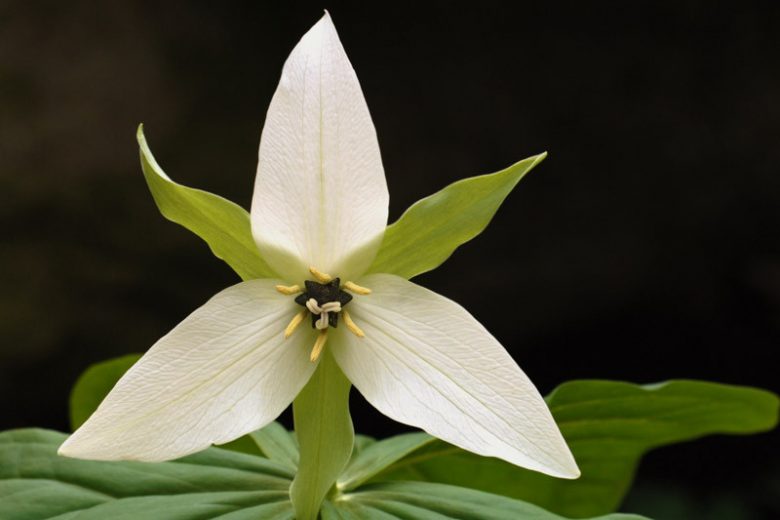
Nodding Wakerobin is a species of Trillium that is found in woodlands, particularly in the eastern United States and parts of Canada. It is a member of the Melanthiaceae family and is characterized by its distinctive nodding flowers that hang downward from a single stem. The flower’s petals are usually white, occasionally tinged with pink, and it typically blooms in early spring, bringing color to the forest floor before the trees fully leaf out.

Nodding Wakerobin is a shade-loving plant, thriving in moist, well-drained, and humus-rich soil. It often grows in the wild under the canopy of trees, where it can enjoy the dappled sunlight that filters through the leaves. Its delicate flowers, paired with its unique form, make it a beloved species for wildflower enthusiasts and woodland gardeners.

Characteristics of Nodding Wakerobin Flowers

The most distinguishing feature of the Nodding Wakerobin is its nodding or drooping flowers. Unlike many other species of Trillium, which feature flowers that face upward, the blossoms of Trillium cernuum are tilted downward, creating a soft, elegant look. Each flower has three petals that are usually white, although they can sometimes have a light pink or greenish tint.

The flowers are borne on a single stem, which is supported by three large, broad leaves arranged in a whorl around the stem. These leaves are a deep green and can grow to about 6-12 inches long, offering a lush backdrop to the delicate flowers. The blooms appear in early spring, often around April to May, and last for several weeks before fading.

After flowering, the plant produces a berry-like fruit that contains seeds, which are dispersed by ants in a mutualistic relationship, as the ants collect the seeds for their nutrient-rich outer coating.

Growing Nodding Wakerobin Flowers

Growing Nodding Wakerobin requires a specific set of conditions to thrive, but it is a rewarding plant for woodland gardeners who are interested in native species. These wildflowers are well-suited to shaded areas with rich, moist soil that is not prone to drying out.

Here are some tips for growing Nodding Wakerobin:

  • Planting: Nodding Wakerobin can be propagated from seeds, but it is often easier to transplant established plants. If starting from seeds, be patient, as they can take several months to germinate. It is best to plant them in the fall, allowing them to undergo the necessary cold stratification period.
  • Location: Choose a shady location with filtered light or dappled sunlight. The plant prefers moist, well-drained soil rich in organic matter, such as woodland humus or leaf mold.
  • Watering: Keep the soil consistently moist, especially during the growing season. However, be careful not to allow the soil to become waterlogged, as this can lead to root rot.
  • Fertilizing: Nodding Wakerobin generally does not require much fertilization. If needed, a light application of organic compost in the fall can help improve soil quality.
  • Maintenance: Once established, the plant requires little maintenance. Removing spent flowers and leaves can help maintain the plant’s appearance, but avoid disturbing the root system as it is delicate.

Symbolism and Cultural Significance

Like many native wildflowers, the Nodding Wakerobin carries symbolic meaning in various cultural contexts. Trilliums, in general, are often associated with renewal and the early arrival of spring, as they bloom in the cooler months before the full arrival of warmer weather. The Nodding Wakerobin, with its delicate nodding flowers, symbolizes humility, grace, and the quiet beauty of the forest floor.

In traditional herbalism, Trilliums have been used for medicinal purposes, though care should be taken as some species are toxic if ingested. While not as commonly used as other plants, Trilliums have found their way into various cultural and folk traditions, often linked to the cycle of the seasons.

Ecological Role

The Nodding Wakerobin plays an important role in woodland ecosystems. As a member of the early-spring wildflower community, it helps provide nectar to pollinators like bees and butterflies when other flowers have not yet bloomed. Additionally, its seeds are dispersed by ants, a process known as myrmecochory, which helps to ensure the plant’s survival and spread in the wild.

Nodding Wakerobin also contributes to the health of forest environments by stabilizing soil and enhancing the biodiversity of the forest floor. It thrives in the moist, shaded conditions created by the forest canopy, helping to create a thriving habitat for other woodland plants and animals.

Conclusion

The Nodding Wakerobin is a truly special flower, admired for its graceful appearance and subtle beauty. With its nodding flowers, vibrant green leaves, and delicate white blooms, it captures the essence of woodland springtime. This wildflower is not only a favorite among garden enthusiasts but also plays a crucial role in its native ecosystem, contributing to the health and biodiversity of forest environments.

For those seeking to add a touch of woodland charm to their gardens, or for those wishing to learn more about native wildflowers, the Nodding Wakerobin is a perfect choice. It reminds us of the quiet, delicate beauty that thrives in nature’s more subtle corners.

Japanese Anemone: A Delicate Beauty for Fall Gardens

mistressesanonymous.com – The Japanese Anemone (Anemone hupehensis) is a stunning perennial flower known for its graceful, delicate blooms that bring color and elegance to gardens in late summer and fall. With its soft, pastel flowers and elegant foliage, this plant is a popular choice for gardeners looking to extend the flowering season into autumn. Its ability to thrive in partial shade and adapt to various soil types makes it a versatile addition to any garden.

Appearance and Characteristics

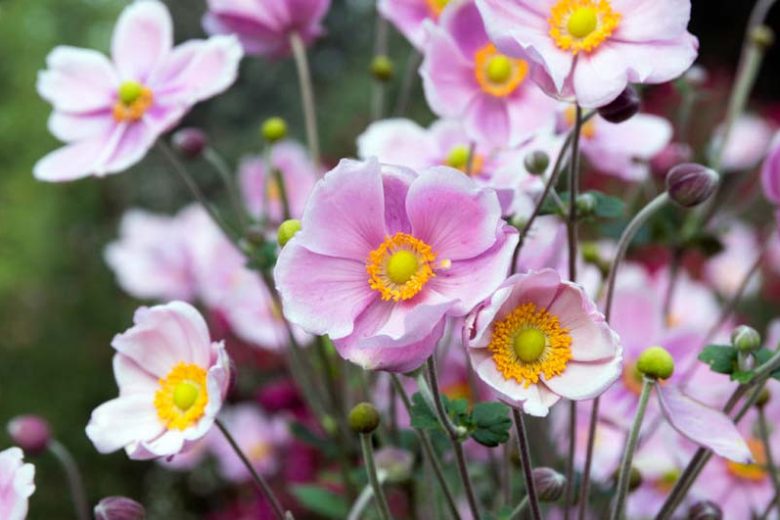
Japanese Anemones are characterized by their elegant, large, single or semi-double flowers, which come in shades of white, pink, and purple. The petals of these flowers have a soft, silky texture and typically surround a central cluster of golden stamens. The flowers, which grow up to 3-4 inches in diameter, bloom in late summer to early fall, making them one of the few plants that brighten up gardens as many other flowers begin to fade.

The plant grows to a height of 2 to 4 feet, with dark green, lobed foliage that adds texture and contrast to the flowers. The leaves have a rich, glossy appearance, which enhances the plant’s overall visual appeal. Japanese Anemones are known for their upright growth habit, often forming graceful, clumping masses that create an elegant presence in garden beds.

Growing Conditions

Japanese Anemones are native to East Asia, where they thrive in cool, temperate climates. They are well-suited to growing in areas with partial shade, though they can tolerate full sun in cooler regions. These flowers prefer rich, well-drained, and slightly acidic to neutral soil. The plant does well in moist environments but should not be exposed to waterlogged conditions, as this can lead to root rot.

One of the advantages of growing Japanese Anemones is their adaptability. They can tolerate a variety of soil types, including loamy, sandy, or clay soils, as long as they are well-drained. In addition, they are relatively drought-tolerant once established, though they will benefit from consistent moisture during their blooming season.

Care and Maintenance

Japanese Anemones are low-maintenance plants, but a few key care guidelines will help them thrive in your garden:

  1. Watering: Keep the soil consistently moist, especially during dry spells in late summer and fall when the plant is actively blooming. However, avoid overwatering or letting the soil become soggy.
  2. Light: Japanese Anemones prefer partial shade, especially in warmer climates, but they can tolerate full sun in cooler regions with adequate moisture.
  3. Pruning: Deadheading spent flowers can help encourage more blooms and maintain a tidy appearance. In late fall or early spring, cut back the plant to the ground to promote healthy new growth.
  4. Fertilizing: Fertilize Japanese Anemones in early spring with a balanced fertilizer to encourage vigorous growth and abundant flowers.
  5. Winter Care: Japanese Anemones are generally hardy in colder climates and can survive winter temperatures. Mulching around the base of the plant in the fall can provide extra protection and help retain moisture during the winter months.

Attracting Pollinators

Japanese Anemones are excellent plants for attracting pollinators to your garden. Their flowers are particularly appealing to bees, butterflies, and other beneficial insects, which are drawn to the nectar-rich blooms. By planting these flowers, you can help support local pollinator populations, especially as other garden flowers begin to wind down for the season. The late bloom period of Japanese Anemones provides vital resources for pollinators preparing for the colder months.

Japanese Anemones in the Landscape

With their graceful, delicate flowers and attractive foliage, Japanese Anemones make an excellent choice for a variety of garden styles. They are particularly well-suited to woodland gardens, where their preference for partial shade fits in well with the dappled light found under trees. They also work beautifully in cottage gardens, perennial borders, or as part of a mixed flower bed.

Japanese Anemones can be used as background plants or along the edges of borders, where their tall, upright growth creates a soft, flowing appearance. They also pair well with other late-blooming plants, such as asters, chrysanthemums, or sedums, creating a stunning display of autumn color.

Conclusion

The Japanese Anemone is a lovely and versatile perennial that adds a touch of elegance and color to any garden. With its delicate blooms, attractive foliage, and ability to thrive in partial shade, it’s an excellent choice for extending the growing season into fall. Whether used in a woodland garden, a cottage garden, or as part of a mixed border, Japanese Anemones are sure to enhance your landscape with their graceful beauty and ability to attract pollinators.