
Singapore’s Economic Miracle: Colonial Outpost – Global Hub

mistressesanonymous.com – Singapore’s transformation from a colonial outpost to a global economic powerhouse is a tale of strategic planning, political stability, and economic foresight. This article delves into the key factors that propelled Singapore’s economic miracle, highlighting the policies, leadership, and global positioning that have made it a model for development.

The Colonial Era: A Humble Beginning

Singapore’s journey began in the early 19th century when it was established as a trading post by the British East India Company. The island’s strategic location made it an ideal port, attracting traders from across Asia. However, its economy was primarily driven by entrepôt trade, and it lacked industrial development.

Independence and the Challenges Ahead

In 1965, Singapore gained independence from Malaysia. The new nation faced daunting challenges, including a lack of natural resources, high unemployment, and ethnic tensions. The government, led by Prime Minister Lee Kuan Yew, recognized that economic development was crucial for survival.

Economic Strategies for Growth

1. Investment in Human Capital

The Singaporean government prioritized education and vocational training to equip its workforce with the skills needed for a modern economy. This investment in human capital laid the foundation for future industrial development.

2. Attracting Foreign Investment

To kickstart industrialization, Singapore offered tax incentives and a stable business environment to attract multinational corporations. These companies brought in capital, technology, and management expertise, which were instrumental in developing key sectors such as manufacturing and finance.

3. Infrastructure Development

Recognizing the importance of connectivity, Singapore invested heavily in infrastructure, including port facilities, airports, and telecommunications. This made Singapore an attractive hub for trade and logistics.

The Rise of a Global Hub

By the late 20th century, Singapore had transformed into a global financial center and a key player in international trade. Its strategic location, coupled with a business-friendly environment, made it an ideal gateway to Asia for many multinational corporations.

Challenges and Adaptations

Despite its success, Singapore faced new challenges, including rising labor costs and competition from neighboring countries. To maintain its edge, Singapore diversified its economy, focusing on high-tech industries, biotechnology, and the digital economy.

Conclusion

Singapore’s economic miracle is a testament to the power of strategic planning, leadership, and adaptability. By leveraging its strengths and overcoming challenges, Singapore has established itself as a global hub that continues to inspire other nations on the path to development.
History of the Solomon Islands: Colonial Rule – Independence

mistressesanonymous.com – The history of the Solomon Islands dates back to around 30,000 years ago when the islands were first inhabited by Melanesian people from New Guinea1. The islands remained relatively isolated until the 16th century when European explorers began to make contact. The Spanish explorer Álvaro de Mendaña de Neira was the first European to sight the islands in 1568, naming them the “Islands of Solomon” in search of the biblical King Solomon’s gold.

Colonial Rule

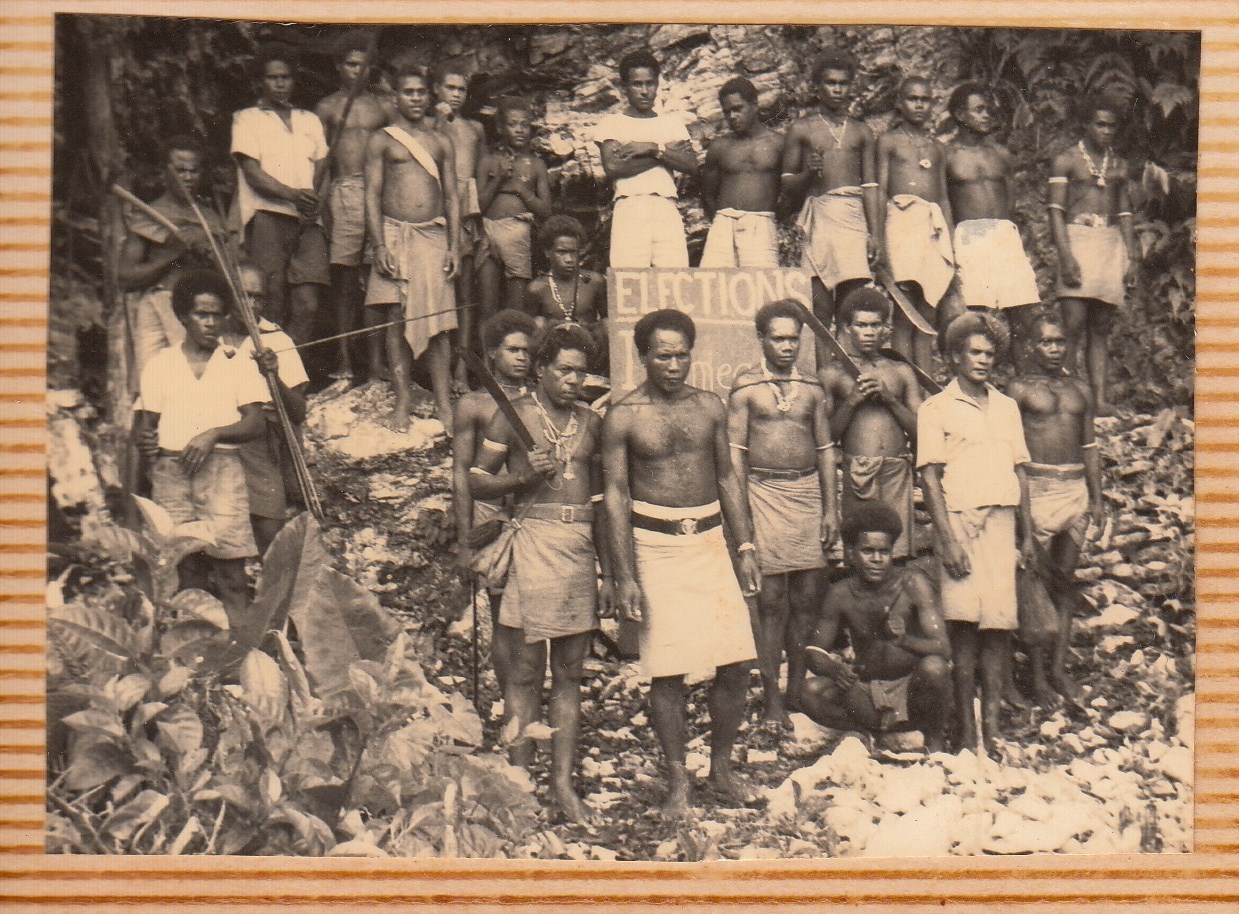
The late 19th century saw the islands become a focal point for European colonial ambitions. In 1885, the northern Solomon Islands were declared a German protectorate, while the southern islands were placed under British control. The British Solomon Islands Protectorate was officially established in 1893 and remained under British administration until 1978.

During British rule, the Solomon Islands experienced significant changes. The islands were used as a strategic location during World War II, particularly during the Guadalcanal Campaign, where fierce battles were fought between Japanese and Allied forces. Post-war, the British resumed control, and the capital was moved to Honiara on Guadalcanal, where an American military base was established.

Path to Independence

The mid-20th century saw a global movement towards decolonization, influenced by the United Nations and a post-World War II mood for self-determination. The Solomon Islands were no exception. In 1975, a delegation led by Mamaloni met with UK officials in London to set a timetable for independence. The Solomon Islands gained internal self-governance in 1976, paving the way for full independence.

Independence

On July 7, 1978, the Solomon Islands officially gained independence from British rule, becoming the 150th sovereign state to join the United Nations. The new nation adopted a constitution on June 8, 1978, which came into effect on the day of independence.

Post-Independence

Since independence, the Solomon Islands have maintained close ties with the United Kingdom, with British advisors still playing a role in the government. The country has also faced various challenges, including political instability and economic difficulties, but has continued to develop its infrastructure and institutions.

Today, the Solomon Islands is a member of the Commonwealth and continues to work towards sustainable development and improved governance. The country’s rich cultural heritage and natural beauty make it a unique and important part of the Pacific region.

Conclusion

The history of the Solomon Islands from colonial rule to independence is a story of resilience and determination. From early Melanesian settlements to the complexities of European colonization and the struggles for self-determination, the Solomon Islands have emerged as a sovereign nation with a distinct identity and a promising future.