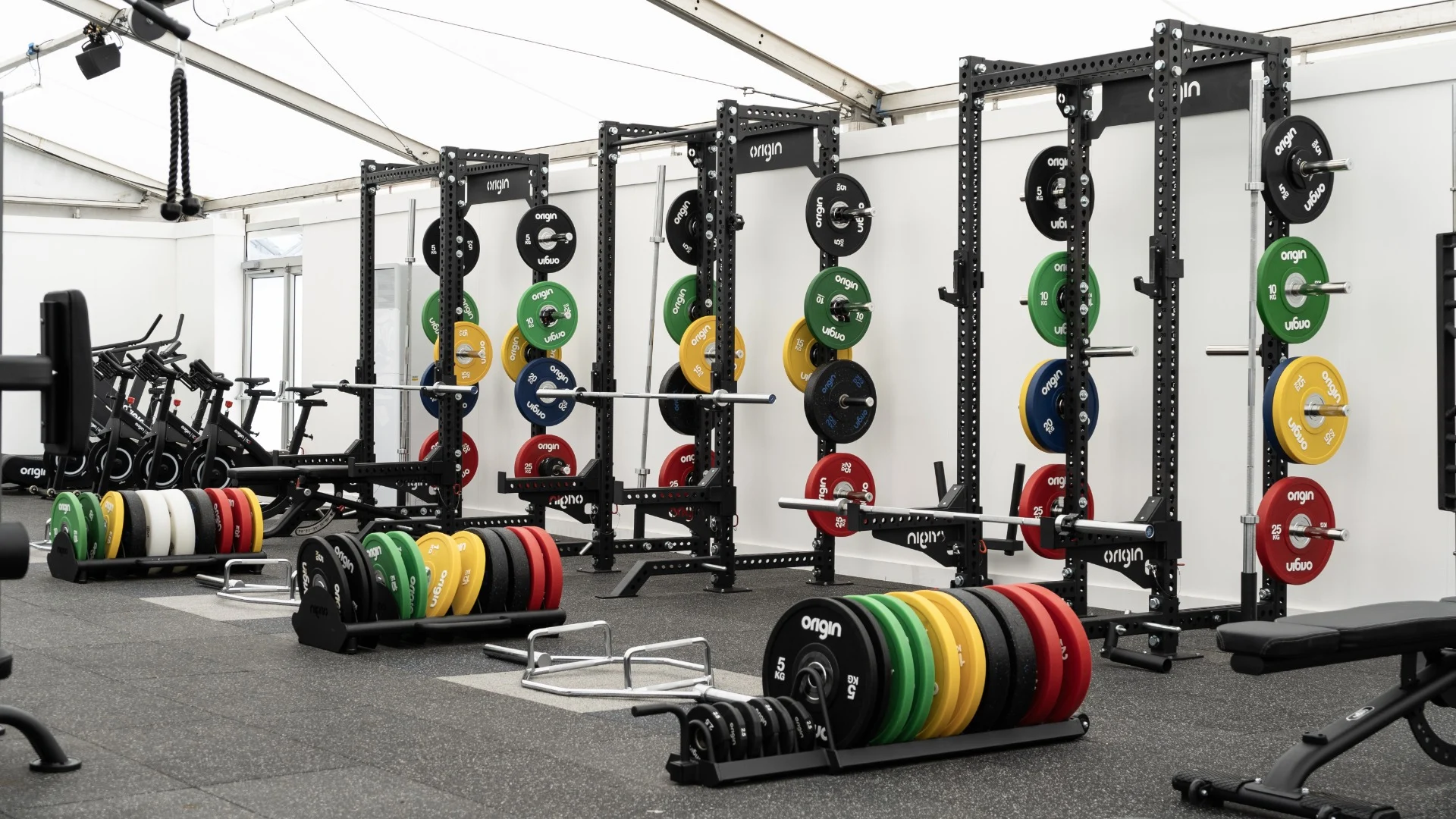
Power Racks and Squat Racks: For Strength Training

mistressesanonymous.com – When it comes to building strength, enhancing athletic performance, and ensuring safety during heavy lifts, a power rack or squat rack is an indispensable piece of equipment. Whether you’re a beginner lifter or an advanced strength athlete, these racks provide stability, support, and versatility, enabling you to perform a wide range of exercises. In this comprehensive guide, we will dive deep into what power racks and squat racks are, their differences, benefits, types, and how to incorporate them into your workout routine.

What is a Power Rack?

A power rack, often referred to as a power cage, is a large, rectangular frame with adjustable safety bars and J-hooks designed to hold a barbell at various heights. The primary function of a power rack is to allow users to perform exercises such as squats, bench presses, deadlifts, overhead presses, and more, safely and with the ability to lift heavy weights. Power racks are equipped with adjustable safety bars or pins that catch the barbell in case the lifter cannot complete a rep, preventing injury from dropping a heavy weight.

Features of a Power Rack

  1. Adjustable Safety Bars: The safety bars or pins inside the rack provide a safeguard by catching the barbell if you fail to complete a lift. These bars can be adjusted to different heights to accommodate various exercises.

  2. J-Hooks: J-hooks are metal hooks mounted on the sides of the rack where the barbell is placed when you are setting up for exercises like squats or bench presses. They can be adjusted to different heights to match your lifting position.

  3. Open Frame Design: Power racks are typically designed with an open frame, which gives you full access to all sides of the rack. This allows you to step in and out freely while also performing exercises like deadlifts and overhead presses without any obstruction.

  4. Pull-Up Bars: Many power racks come with an integrated pull-up bar located at the top of the frame. This feature adds versatility, allowing you to perform bodyweight exercises like chin-ups and pull-ups.

  5. Sturdiness and Durability: Power racks are typically made from heavy-duty steel, which makes them extremely stable and capable of handling heavy loads. They are designed to withstand the stress of intense lifting sessions and provide a solid base for your workouts.

Benefits of a Power Rack

  1. Safety: The primary benefit of using a power rack is the safety it offers during heavy lifting. The adjustable safety bars or pins ensure that if you fail to complete a rep, the barbell won’t fall on you. This is especially important for exercises like squats and bench presses, where lifting heavy weights can put you at risk of injury if you’re unable to complete the movement.

  2. Versatility: Power racks are versatile and allow you to perform a wide variety of exercises. You can perform squats, bench presses, deadlifts, overhead presses, and even pull-ups or chin-ups with a power rack, making it a valuable addition to any strength training routine.

  3. Progressive Overload: A power rack allows for progressive overload, which is the key to building strength. The adjustable nature of the J-hooks and safety bars lets you gradually increase the weight you’re lifting while ensuring your safety.

  4. Space-Efficient: Unlike some other gym equipment that requires a large footprint, a power rack provides a compact and stable environment for a wide range of exercises. Many models also come with attachments like dip bars, weight storage, and cable pulleys, enhancing their utility.

  5. Increased Confidence: The safety and stability offered by a power rack allows lifters to push their limits confidently, knowing that they have a system in place to catch the barbell if they fail to complete a lift.

What is a Squat Rack?

A squat rack is a simpler piece of equipment compared to a power rack but still an essential tool for strength training. Squat racks are designed to hold a barbell at a height where it can be lifted off and used for squats, bench presses, and other movements. While squat racks provide stability for exercises like squats, they typically lack the full safety features of a power rack, such as adjustable safety bars.

Features of a Squat Rack

  1. Uprights: Squat racks typically consist of two vertical uprights that hold the barbell at adjustable heights. These uprights provide stability to the barbell during exercises like squats and bench presses.

  2. J-Hooks: Similar to power racks, squat racks feature J-hooks where the barbell rests when you’re setting up for a lift. These hooks can be adjusted to different heights for various exercises.

  3. Open Frame: Squat racks often have a more open design than power racks, which allows you to step in and out more easily during exercises like squats and overhead presses.

  4. Stability: Squat racks are made of heavy-duty metal to ensure that the rack can hold heavy loads while you perform squats, presses, or deadlifts.

Benefits of a Squat Rack

  1. Compact and Space-Saving: Squat racks are more compact than power racks, making them a great choice for home gyms with limited space. They typically have a smaller footprint and take up less room than a full power rack, while still allowing you to perform a variety of exercises.

  2. Ease of Use: Because squat racks are simpler than power racks, they are easier to use for basic lifts like squats, bench presses, and overhead presses. You can quickly adjust the J-hooks and load the barbell, making it a great option for lifters who want simplicity and speed in their workouts.

  3. Affordability: Squat racks are typically more affordable than power racks due to their simpler design. This makes them an excellent option for budget-conscious lifters who still want to perform heavy lifts safely.

  4. Space for Other Exercises: While squat racks are primarily used for squats and presses, their open design also allows for other exercises such as overhead presses, rows, and pull-ups. If you’re looking for a multipurpose piece of equipment but are limited on space, a squat rack is an ideal choice.

Power Rack vs. Squat Rack: Which One Should You Choose?

While both power racks and squat racks are excellent tools for strength training, the decision of which one to choose depends on your goals, experience level, and available space. Below are some factors to consider when making your decision:

1. Safety Features

If safety is your top priority, particularly if you’re lifting heavy weights, a power rack is the better option. Power racks come with safety bars or pins that catch the barbell if you fail to complete a lift, reducing the risk of injury. This is especially beneficial for exercises like squats and bench presses, where failing a lift can result in serious injury without proper safety measures.

Squat racks, on the other hand, don’t offer the same level of protection. While they provide support for lifting, they don’t have the adjustable safety bars that catch the barbell if you fail. If you’re lifting heavy on your own, a power rack is the safer choice.

2. Space Considerations

If you’re limited on space, a squat rack may be a better fit. Squat racks are more compact and take up less room than power racks, making them ideal for smaller home gyms or workout spaces. However, if you have ample room and want maximum versatility and safety, a power rack will give you more exercise options while also allowing for heavier lifts.

3. Exercise Variety

Both power racks and squat racks allow you to perform basic exercises like squats, deadlifts, and overhead presses. However, a power rack offers more versatility with integrated features like pull-up bars, dip bars, and the ability to perform bench presses with full safety. If you’re looking for a multi-functional piece of equipment that supports a wide range of exercises, a power rack is the more versatile option.

4. Budget

If you’re on a tight budget, a squat rack may be the more affordable choice. Squat racks tend to be cheaper than power racks because they are simpler in design and don’t come with as many features. If you don’t need the extra safety or versatility offered by a power rack, a squat rack can provide all the essential features for strength training at a lower cost.

How to Use a Power Rack and Squat Rack Effectively

Both power racks and squat racks are incredibly versatile, but using them correctly is crucial for safety and maximum results. Here are a few tips for using these racks effectively:

1. Proper Rack Setup

Ensure that the J-hooks are adjusted to the proper height for each exercise. For squats, the barbell should be at a height that allows you to lift it off the rack and comfortably get into the squat position. For bench presses, the barbell should be set slightly above your chest level.

2. Safety First

Always use safety bars or pins when lifting heavy. In a power rack, adjust the safety bars to a height slightly below your lowest point in the lift to catch the barbell if you fail. In a squat rack, if the rack doesn’t include safety features, it’s best to have a spotter when performing heavy lifts.

3. Keep Your Form in Check

Focus on maintaining proper form when lifting. Whether you’re performing squats, deadlifts, or bench presses, ensure that your posture and technique are correct to prevent injury and maximize the effectiveness of the exercise.

4. Gradual Progression

When using a power rack or squat rack, always aim for gradual progression. Start with lighter weights and increase the load over time as your strength improves. Progressive overload is the key to building muscle and strength safely and effectively.

Conclusion

Both power racks and squat racks are essential tools for anyone serious about strength training, providing safety, support, and versatility during heavy lifts. If you’re prioritizing safety and versatility, especially for home workouts, a power rack offers a secure environment for exercises like squats, bench presses, and overhead presses. On the other hand, if you’re looking for a more compact, budget-friendly option, a squat rack can provide all the essential features for basic lifting exercises. By understanding the differences between these two racks and considering your needs, you’ll be well-equipped to make an informed decision and enhance your training routine.

Whale Watching: A Guide to the World’s Best Locations

mistressesanonymous.com – Whale watching is an awe-inspiring activity that allows people to witness the majesty of the ocean’s giants in their natural habitat. With numerous locations around the world offering unique opportunities to see these magnificent creatures, enthusiasts can find a spot that suits their travel plans and preferences. This guide highlights some of the best whale-watching destinations globally, providing insights into what makes each location special.

Top Whale Watching Locations

1. Monterey Bay, California, USA

Monterey Bay is renowned for its rich marine biodiversity and frequent whale sightings. Visitors can see humpback whales, blue whales, and gray whales, as well as orcas and dolphins. The bay’s deep underwater canyon acts as a feeding ground for many species, making it a prime spot for whale watching year-round.

2. Tadoussac, Quebec, Canada

Tadoussac is one of the world’s premier whale-watching destinations, located at the confluence of the Saguenay and Saint Lawrence Rivers. This area is famous for beluga and minke whale sightings, as well as the occasional blue whale. The stunning natural scenery enhances the experience of seeing whales in this picturesque setting.

3. Azores, Portugal

The Azores archipelago offers prime whale-watching opportunities, with sightings of sperm whales and other species such as blue and fin whales. The deep waters surrounding these volcanic islands create ideal conditions for observing these majestic creatures, particularly from April to October.

4. Hervey Bay, Queensland, Australia

Hervey Bay is known for its calm waters and close interaction with humpback whales. This location is a resting area during their annual migration, providing visitors with the chance to see these gentle giants up close. The best time for whale watching in Hervey Bay is from July to November.

5. Kaikoura, New Zealand

Kaikoura is famous for its year-round whale-watching opportunities, with sperm whales being the primary attraction. The nutrient-rich waters due to the deep ocean trench just offshore support a diverse marine ecosystem, making it possible to see a variety of marine life, including dolphins and seals.

Tips for an Unforgettable Whale Watching Experience

  • Choose the Right Season: Research the best time to visit your chosen location to increase your chances of seeing whales.
  • Select a Reputable Tour Operator: Look for operators with experienced guides and a commitment to responsible whale watching.
  • Be Prepared for the Elements: Dress appropriately for the weather and bring essentials like sunscreen, sunglasses, and a camera.
  • Stay Patient and Respectful: Whales are wild animals, and sightings can never be guaranteed. Enjoy the experience and respect the natural environment.

Conclusion

Whale watching offers a unique opportunity to connect with nature and witness one of Earth’s most impressive creatures. By choosing the right location and timing your visit well, you can enhance your chances of an unforgettable encounter. Whether you’re a seasoned whale watcher or a first-timer, these destinations promise a thrilling experience.

The Diversity Visa Program: A Comprehensive Guide

mistressesanonymous.com – The Diversity Visa (DV) Program, also known as the Green Card Lottery, is an annual program managed by the U.S. Department of State. It makes available up to 50,000 immigrant visas each fiscal year to persons from countries with low rates of immigration to the United States. This program is designed to diversify the immigrant population in the United States and to foster cultural exchange.

Eligibility Criteria for the Diversity Visa Program

To participate in the Diversity Visa Program, applicants must meet simple, but strict eligibility requirements. These include:

  • Country of Chargeability: Applicants must be from a country with a low rate of immigration to the United States.
  • Educational or Work Experience: Applicants must have either a high school education or its equivalent, defined as successful completion of a 12-year course of elementary and secondary education; or two years of work experience within the past five years in an occupation requiring at least two years of training or experience to attain.

The Application Process

The application process for the Diversity Visa Program is straightforward and entirely online. It is free of charge, and applicants must submit their entries during the designated registration period, which typically lasts for one month. It is crucial to provide accurate and truthful information, as any discrepancies can lead to disqualification.

Selection Process

The selection process for the Diversity Visa Program is random, conducted by a computer-generated drawing. Selected applicants are then required to complete additional forms and documentation, undergo a medical examination, and attend an interview at a U.S. Embassy or Consulate.

Benefits of the Diversity Visa

Successful applicants of the Diversity Visa Program receive a Green Card, which grants them lawful permanent resident status in the United States. This status allows them to live and work permanently in the United States, and it also provides a pathway to U.S. citizenship.

Common Misconceptions

There are several misconceptions about the Diversity Visa Program. It is important to note that:

  • The program is not a lottery in the traditional sense, as there is no purchase necessary, and it is not a game of chance.
  • There is no cost to enter the program. Applicants should be wary of any websites or individuals asking for payment to submit an entry.
  • The program is legitimate and managed by the U.S. government, but there are many fraudulent schemes that attempt to take advantage of applicants.

Conclusion

The Diversity Visa Program is a unique opportunity for individuals from countries with low rates of immigration to the United States to gain lawful permanent resident status. Understanding the eligibility criteria, application process, and selection process is crucial for anyone considering participation. With careful preparation and attention to detail, applicants can navigate the program successfully and potentially secure a new life in the United States.

The Ultimate Guide to Camping Essentials

mistressesanonymous.com – Camping is an exhilarating experience that allows you to disconnect from the hustle and bustle of daily life and immerse yourself in nature. Whether you’re a seasoned camper or a first-time adventurer, having the right gear is essential for a comfortable and safe trip. This guide will walk you through the must-have items that should be on your camping checklist.

1. Shelter and Sleeping Gear

Tent

Your tent is your home away from home, so choose one that suits your needs. Consider the size, weight, and weather resistance. A good tent should be easy to set up and provide ample space for you and your gear.

Sleeping Bag

A quality sleeping bag is crucial for a good night’s sleep. Select one that’s appropriate for the season and climate you’ll be camping in. Look for temperature ratings to ensure you’ll stay warm.

Sleeping Pad

A sleeping pad not only provides comfort but also insulation from the cold ground. There are various types, including air pads, foam pads, and self-inflating pads.

2. Cooking and Eating Essentials

Portable Stove

A portable stove is essential for cooking meals. Choose one that’s fuel-efficient and easy to use. Don’t forget to pack extra fuel.

Cookware

A lightweight pot or pan set is ideal for cooking over a campfire or stove. Look for non-stick surfaces for easy cleaning.

Utensils and Dishes

Pack basic utensils, plates, and cups. Consider lightweight, durable options that won’t break easily.

3. Clothing and Personal Gear

Weather-Appropriate Clothing

Pack layers to adapt to changing weather conditions. Include moisture-wicking base layers, insulating mid-layers, and a waterproof and windproof outer layer.

Footwear

Durable, waterproof hiking boots are a must for navigating trails. Bring an extra pair of shoes for camp to keep your feet comfortable.

Personal Items

Don’t forget personal hygiene items like toothbrush, toothpaste, biodegradable soap, and a quick-dry towel.

4. Tools and Repair Kits

Multi-Tool

A multi-tool is incredibly versatile and can handle a variety of tasks, from fixing gear to preparing food.

Knife

A sharp, reliable knife is essential for food preparation and can also be used for self-defense if necessary.

Repair Kit

Pack a repair kit with duct tape, needle and thread, and spare parts for your gear.

5. Navigation and Safety

Map and Compass

Even if you’re familiar with the area, a map and compass are essential for navigation. Know how to use them before you set out.

Headlamp or Flashlight

A reliable light source is crucial for nighttime activities and emergencies. Pack extra batteries.

First Aid Kit

A well-stocked first aid kit is essential for treating minor injuries. Include bandages, antiseptic, pain relievers, and any personal medications.

6. Miscellaneous Items

Water Bottle or Hydration System

Staying hydrated is key. Choose a water bottle or hydration pack that’s easy to carry and use.

Insect Repellent

Protect yourself from insect bites with a reliable repellent. Look for one that’s effective against mosquitoes and ticks.

Sun Protection

Sunscreen, sunglasses, and a hat are essential for protecting your skin from the sun’s harmful rays.

Conclusion

With these camping essentials, you’ll be well-prepared for your next outdoor adventure. Remember to tailor your gear to the specific conditions and activities you’ll encounter. Happy camping!

Child Development: A Comprehensive Guide

mistressesanonymous.com – Child development is a complex and fascinating process that encompasses the physical, cognitive, emotional, and social growth of an individual from infancy through adolescence. Understanding the stages and factors that influence child development is crucial for parents, educators, and caregivers to ensure that children receive the support and environment they need to thrive. This comprehensive guide will explore the key aspects of child development, providing insights into the stages, milestones, and influences that shape a child’s growth.

The Stages of Child Development

Child development is traditionally divided into several stages, each characterized by specific milestones and challenges. These stages include:

Infancy (Birth to 2 Years)

During infancy, children experience rapid physical growth and begin to develop basic cognitive and motor skills. They learn to crawl, walk, and communicate through sounds and gestures. Emotional development is also significant, as infants form attachments to their primary caregivers.

Early Childhood (2 to 6 Years)

Early childhood is marked by a surge in language development, social skills, and imagination. Children at this stage are highly curious and engage in play as a means of learning about the world around them. They also start to develop a sense of self and independence.

Middle Childhood (6 to 12 Years)

In middle childhood, children enter formal education and begin to develop more complex cognitive abilities, such as logical reasoning and problem-solving. They also continue to refine their social skills and learn to navigate friendships and group dynamics.

Adolescence (12 to 18 Years)

Adolescence is a period of significant physical, cognitive, and emotional changes. Puberty brings about physical maturation, while cognitive development allows for abstract thinking and future planning. Emotionally, adolescents seek independence and identity, often exploring different roles and values.

Factors Influencing Child Development

Child development is influenced by a myriad of factors, including:

Genetics

Genetic factors play a role in determining a child’s physical characteristics, temperament, and potential for certain cognitive abilities.

Environment

The environment, including family dynamics, socioeconomic status, and cultural background, significantly impacts a child’s development. Stable and nurturing environments tend to support healthy development, while adverse conditions can lead to developmental challenges.

Nutrition and Health

Adequate nutrition and healthcare are essential for physical growth and cognitive development. Malnutrition and chronic health issues can impede a child’s progress.

Education

Quality education stimulates cognitive development and fosters social skills. Educational experiences should be tailored to meet the individual needs and learning styles of children.

Social Interactions

Interactions with peers, family, and educators contribute to a child’s social and emotional development. Positive relationships can enhance self-esteem and emotional regulation, while negative interactions can lead to behavioral problems.

Supporting Child Development

Understanding child development equips caregivers with the knowledge to support children effectively. Here are some strategies for fostering healthy development:

Provide a Stable and Loving Environment

Children thrive in environments where they feel safe, loved, and supported. Consistent routines and positive reinforcement can help create a stable foundation for growth.

Encourage Exploration and Learning

Encouraging children to explore their interests and learn through play and hands-on activities can enhance cognitive and emotional development.

Offer Nutritious Foods and Healthcare

Ensuring that children have access to nutritious foods and regular healthcare can support their physical and cognitive development.

Foster Positive Relationships

Building positive relationships with children and modeling healthy social interactions can help them develop strong social skills and emotional intelligence.

Seek Professional Guidance When Needed

If concerns about a child’s development arise, seeking guidance from healthcare professionals, educators, or child development specialists can provide valuable insights and support.

Understanding child development is a journey that requires patience, observation, and a willingness to learn and adapt. By recognizing the stages, milestones, and influences that shape a child’s growth, caregivers can provide the support and environment necessary for children to develop to their fullest potential.