“The Housemaid” (1960): A Classic of Korean Cinema

mistressesanonymous.com – “The Housemaid” (하녀), a 1960 South Korean psychological thriller film directed by Kim Ki-young, is considered a landmark work in Korean cinema. It’s a dark and disturbing exploration of class conflict, sexual desire, and the destructive power of unchecked ambition within a household. Its influence can be seen in later Korean thrillers and horror films.

An Unstable Household: The Introduction of the Housemaid

The film centers on a prosperous middle-class family: a composer husband, his wife, and their two children. Their seemingly stable life is disrupted by the arrival of a new housemaid (Lee Eun-shim). The housemaid is initially presented as naive and innocent, but she quickly reveals a manipulative and increasingly sinister nature.

This introduction of the housemaid immediately creates a sense of unease. Her presence disrupts the family’s routine and introduces a foreign element into their carefully constructed world.

A Descent into Chaos: Power Dynamics and Sexual Tension

The film explores the power dynamics within the household, particularly between the husband and the housemaid. A brief affair between them sets off a chain of events that leads to escalating tension, manipulation, and ultimately, tragedy.

The film masterfully portrays the gradual descent into chaos within the family. The housemaid’s influence grows stronger, and she begins to exert control over the household, exploiting the weaknesses and vulnerabilities of each family member.

Symbolism and Visuals: Creating a Sense of Unease

Kim Ki-young’s masterful use of symbolism and visuals contributes significantly to the film’s unsettling atmosphere. The cramped and cluttered house becomes a character in itself, reflecting the growing tension and claustrophobia within the family.

The film employs striking camera angles, shadows, and close-ups to create a sense of unease and foreshadow the impending doom. The use of rats as a recurring motif further enhances the film’s disturbing atmosphere, symbolizing decay and corruption.

Class Conflict and Social Commentary: Reflecting Societal Tensions

“The Housemaid” can also be interpreted as a commentary on the social and economic tensions of post-war Korea. The film depicts the anxieties surrounding upward mobility and the changing social dynamics of the time.

The housemaid’s intrusion into the family’s life can be seen as a representation of the anxieties surrounding class mobility and the disruption of traditional social hierarchies.

A Classic of Korean Cinema: Lasting Influence and Impact

“The Housemaid” is considered a classic of Korean cinema for its innovative filmmaking techniques, its exploration of complex themes, and its lasting influence on subsequent generations of filmmakers. Its themes of class conflict, sexual desire, and domestic tension continue to resonate with audiences today.

The film’s dark and disturbing atmosphere, combined with its powerful performances and striking visuals, makes it a truly unforgettable cinematic experience. It’s a must-see for anyone interested in Korean film history and psychological thrillers. It has been remade several times, most notably in 2010 with Im Sang-soo’s “The Housemaid,” further cementing its status as a cornerstone of Korean cinema.

Exploring the Hidden Charms of Beni Suef

mistressesanonymous.com – Beni Suef, a city located in Upper Egypt along the Nile River, offers a unique blend of history, culture, and natural beauty. Although it may not be as widely known as other Egyptian cities, Beni Suef has its own attractions that make it worth a visit.

Historical Significance

Beni Suef has a rich history that dates back to ancient times. The area was known for its strategic importance due to its location along the Nile. Today, visitors can explore various archaeological sites that reflect its past significance. The Meidum Pyramid, located just outside the city, is one of Egypt’s oldest pyramids and offers insight into the early developments of pyramid construction.

Cultural Heritage

The cultural landscape of Beni Suef is vibrant and deeply rooted in traditional Egyptian life. The city hosts numerous local festivals and events that showcase its heritage. These celebrations often include music, dance, and traditional crafts, providing visitors with an immersive experience of local culture.

Natural Attractions

Beni Suef is surrounded by beautiful natural landscapes. The nearby Fayoum Oasis offers lush greenery and tranquil lakes, making it a perfect spot for nature enthusiasts. Birdwatchers will also find the area appealing, as the wetlands attract a variety of migratory birds.

Modern Development

In recent years, Beni Suef has seen significant development, with improvements in infrastructure and educational institutions. The Beni Suef University is a center of learning and research, contributing to the city’s growing reputation as a hub for education and innovation.

Conclusion

Beni Suef may not be as famous as Egypt’s larger cities, but it offers a unique glimpse into the country’s rich history and culture. With its archaeological sites, cultural festivals, and natural beauty, Beni Suef provides a rewarding experience for those looking to explore beyond the usual tourist trails. Whether you’re interested in history, culture, or nature, Beni Suef has something to offer every traveler.

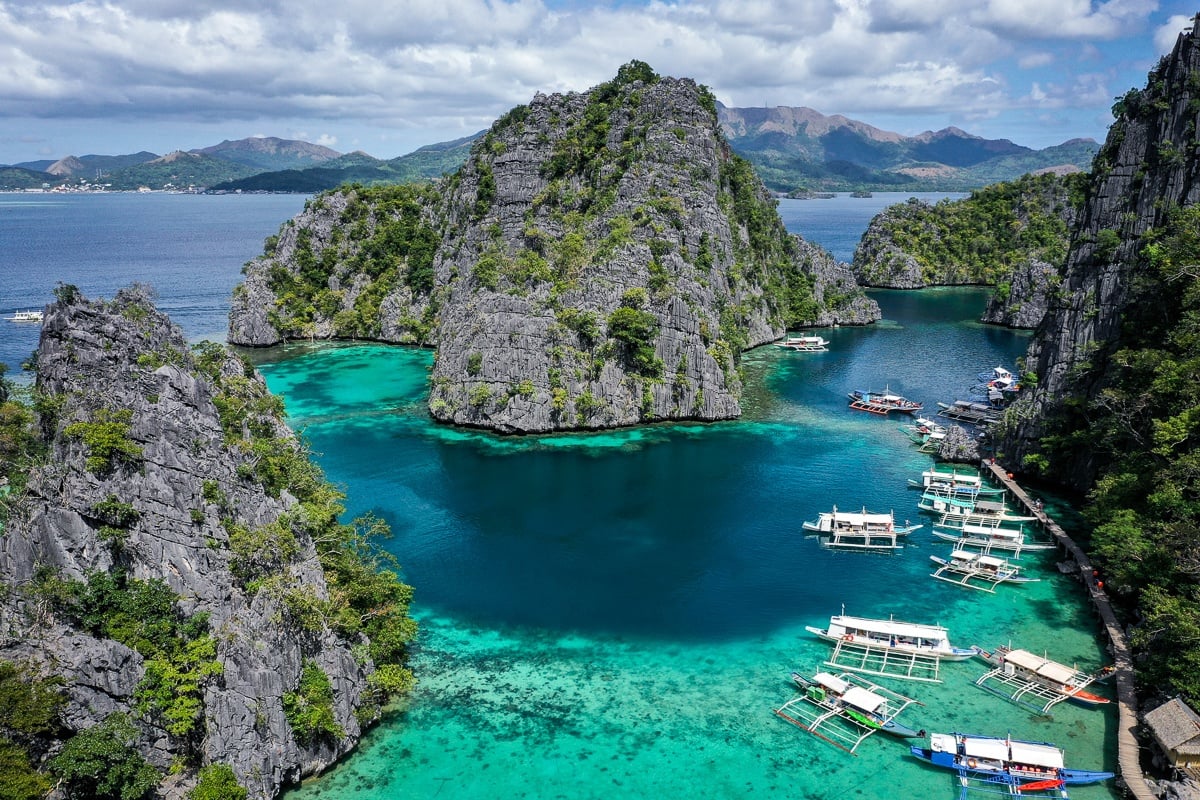
Exploring Coron Island: A Paradise in the Philippines

mistressesanonymous.com – Coron Island, part of the Calamian Islands in northern Palawan, Philippines, is a tropical paradise known for its breathtaking landscapes and vibrant marine life. Famous for its crystal-clear waters, limestone cliffs, and rich World War II history, Coron Island offers endless opportunities for adventure and relaxation. This article delves into the many wonders that make Coron a must-visit destination.

Geography and Location

Coron Island is located in the province of Palawan, often referred to as the “Last Ecological Frontier” of the Philippines. Surrounded by pristine waters and dotted with dramatic limestone formations, the island is a haven for those seeking natural beauty and tranquility. Its strategic location makes it a popular stop for travelers exploring the Palawan archipelago.

Historical Significance

World War II Shipwrecks

Coron is renowned for its historic shipwrecks, remnants of the Japanese fleet sunk during World War II. These underwater relics have transformed into thriving marine ecosystems, attracting divers from around the world. Exploring these shipwrecks offers a unique glimpse into history and the vibrant marine life that now inhabits them.

Indigenous Culture

The indigenous Tagbanwa people inhabit Coron Island, and their rich cultural heritage is an integral part of the island’s identity. Visitors can learn about their traditional practices and beliefs, which are deeply connected to the natural environment. The Tagbanwa also play a vital role in conserving the island’s natural resources.

Natural Attractions

Lagoons and Lakes

Coron Island is home to some of the most stunning lagoons and lakes in the Philippines. Kayangan Lake, often dubbed the cleanest lake in Asia, is a must-see with its crystal-clear waters surrounded by towering limestone cliffs. Barracuda Lake, known for its unique underwater thermocline, offers a surreal diving experience.

Beaches and Marine Life

The island boasts pristine beaches with powdery white sand and turquoise waters, perfect for sunbathing and swimming. Coral gardens and vibrant marine life make Coron a top destination for snorkeling and diving enthusiasts. Siete Pecados Marine Park is a popular spot known for its rich biodiversity.

Adventure Activities

Diving and Snorkeling

Coron Island is a diver’s paradise, offering everything from shallow reefs to deep shipwrecks. Snorkeling in the coral gardens provides an up-close encounter with an array of colorful fish and coral species.

Hiking and Exploration

For those who prefer to stay on land, Coron offers hiking trails that lead to breathtaking viewpoints and secluded beaches. The trek to Mount Tapyas provides a panoramic view of the island and its surrounding waters.

Challenges and Opportunities

While Coron Island is a thriving tourist destination, it faces challenges such as environmental conservation and sustainable tourism. Efforts are being made by local communities and organizations to preserve the island’s natural beauty and cultural heritage for future generations.

Conclusion

Coron Island is a true gem in the Philippines, offering a blend of history, culture, and natural beauty. Whether you’re a diver, a nature lover, or someone seeking peace and tranquility, Coron has something for everyone. Its stunning landscapes, rich marine life, and warm hospitality make it a destination that captures the heart and imagination of all who visit.

Exploring the Majestic Himalayas – Geographical Significance

mistressesanonymous.com – The Himalayas, known as 喜马拉雅山 in Chinese, is one of the most awe-inspiring mountain ranges in the world. Stretching across five countries—India, Nepal, Bhutan, China, and Pakistan—this towering range is home to some of the highest peaks on Earth, including Mount Everest. Here’s an exploration of the various facets of the Himalayas, from their geographical significance to their cultural impact.

Geographical Significance

The Himalayas span approximately 2,400 kilometers and play a crucial role in influencing the climate of the Indian subcontinent. They act as a natural barrier against cold winds from Central Asia, contributing to the monsoon season that is vital for agriculture in South Asia. The range is also the source of some of the major rivers like the Ganges, Indus, and Brahmaputra, which support millions of people with water for drinking, irrigation, and power generation.

Ecological Diversity

The Himalayas boast a rich biodiversity, with distinct ecosystems ranging from lush subtropical forests to alpine meadows and barren tundra. This diverse environment is home to a wide variety of flora and fauna, including many endangered species such as the snow leopard and the red panda. Conservation efforts are critical in this region to preserve its unique habitats and the wildlife that depends on them.

Cultural and Spiritual Importance

For centuries, the Himalayas have held significant cultural and spiritual value. Countless pilgrims visit sacred sites nestled in the mountains, such as the temples of Kedarnath and Badrinath in India, and the Potala Palace in Tibet. These mountains are revered in various religions, including Hinduism and Buddhism, where they are often seen as a symbol of spiritual ascent and enlightenment.

Adventure and Exploration

The Himalayas are a magnet for adventurers and explorers from around the globe. Trekking routes like the Annapurna Circuit and the Everest Base Camp trek offer breathtaking views and challenging terrains. Mountaineers are drawn to the peaks for the ultimate adventure—scaling the formidable Mount Everest or other towering summits.

Challenges and Conservation

Despite their grandeur, the Himalayas face numerous challenges, including climate change, deforestation, and pollution. Glacial melting poses a threat to water resources and increases the risk of natural disasters like floods and landslides. Efforts are underway to address these issues through sustainable practices and international cooperation to ensure that the Himalayas continue to inspire and support future generations.

In conclusion, the Himalayas are not just a stunning geographical feature but a vital component of the Earth’s ecosystem and a rich source of cultural heritage. Their towering peaks and lush valleys continue to captivate the imagination of people worldwide, reminding us of the beauty and fragility of our planet.

The Gateway to North Sulawesi: Exploring Manado City

mistressesanonymous.com – Manado, the capital city of North Sulawesi, Indonesia, is a vibrant and diverse metropolis known for its rich cultural heritage, stunning natural beauty, and warm hospitality. Nestled between lush mountains and the crystal-clear waters of the Celebes Sea, Manado serves as a gateway to some of Indonesia’s most breathtaking marine and terrestrial ecosystems. This article delves into the city’s history, culture, economy, and the attractions that make it a must-visit destination.

Historical Background

Manado’s history is marked by a tapestry of cultural influences, dating back to the 16th century when it was an important port for spice trade. The city’s strategic location attracted traders from Europe, China, and the Arabian Peninsula, each leaving their mark on the local culture. Dutch colonial rule further shaped Manado’s historical landscape, evident in some of the city’s architecture and religious practices.

Cultural Heritage

The cultural landscape of Manado is enriched by the diverse ethnic groups that call the city home, including the Minahasa, Sangir, and Gorontalo people. This diversity is celebrated in the city’s festivals, such as the Tomohon Flower Festival, which highlights the vibrant artistry of the region. Manado is also known for its unique culinary scene, with dishes like “Tinutuan” (Manado porridge) and “Rica-Rica” (spicy meat) showcasing the bold flavors of North Sulawesi.

Economic Significance

Manado is a key economic center in North Sulawesi, with a growing economy driven by sectors such as agriculture, fisheries, and tourism. The city’s location makes it a crucial hub for trade and commerce, particularly in the export of seafood and coconut products. The burgeoning tourism industry is further bolstered by Manado’s reputation as a diving paradise, attracting visitors from around the world.

Attractions and Tourism

Manado is a treasure trove of attractions for nature lovers and adventure seekers. The city is renowned for its proximity to the Bunaken National Marine Park, a world-class diving destination known for its vibrant coral reefs and diverse marine life. On land, the Tangkoko Nature Reserve offers the chance to see unique wildlife, including the endangered crested black macaques and the elusive tarsiers. Additionally, the city’s scenic landscapes, such as Lake Tondano and Mount Lokon, provide opportunities for hiking and exploration.

Conclusion

Manado is a city of remarkable diversity and natural beauty, offering visitors a unique blend of cultural experiences and outdoor adventures. Its rich history, vibrant culture, and economic vitality make it an exciting destination for travelers seeking to explore the wonders of North Sulawesi. Whether you’re diving into the depths of Bunaken or savoring the flavors of Minahasan cuisine, Manado promises an unforgettable journey.

Exploring Osaka City: Japan’s Vibrant Metropolis

mistressesanonymous.com – Osaka, Japan’s third-largest city, is a dynamic metropolis known for its modern architecture, booming nightlife, and delicious culinary offerings. Located in the Kansai region, Osaka serves as a financial hub and a cultural hotspot, attracting millions of visitors each year. With its blend of historical landmarks and contemporary attractions, Osaka promises an unforgettable experience for travelers.

A Historical Perspective

While Osaka is often associated with its modern appeal, the city has a rich history that dates back centuries. It was once the economic center of Japan during the Edo period, and its historical significance is still evident today. Osaka Castle, a symbol of the city’s resilience, stands as a testament to its storied past. Originally built in the late 16th century by Toyotomi Hideyoshi, the castle offers stunning views and a glimpse into Osaka’s feudal history.

Culinary Delights

Osaka is often referred to as “Japan’s Kitchen” due to its diverse and delectable food scene. The city is famous for its street food, including iconic dishes like takoyaki (octopus balls) and okonomiyaki (savory pancakes). Dotonbori, a lively district along the Dotonbori Canal, is the heart of Osaka’s food culture, offering a plethora of dining options and vibrant neon lights that illuminate the night.

Modern Attractions

The modern side of Osaka is equally captivating. The futuristic Umeda Sky Building, with its unique design and breathtaking views from the Floating Garden Observatory, is a must-visit. Shoppers will delight in the bustling districts of Shinsaibashi and Namba, where they can find everything from high-end brands to quirky boutiques.

Cultural Experiences

Osaka is rich in cultural experiences, offering visitors a chance to immerse themselves in both traditional and contemporary Japanese culture. The National Museum of Art, Osaka, and the Osaka Science Museum provide engaging exhibitions for art and science enthusiasts. Meanwhile, the Sumiyoshi Taisha Shrine, one of Japan’s oldest shrines, offers a serene escape from the city’s hustle and bustle.

Entertainment and Nightlife

Osaka’s entertainment and nightlife are second to none. The city is home to Universal Studios Japan, a popular theme park that promises fun for all ages. As night falls, the city’s izakayas (Japanese pubs), karaoke bars, and clubs come alive, providing endless entertainment options.

Conclusion

Osaka City is a bustling metropolis that offers a perfect blend of tradition and modernity. From exploring historical landmarks and indulging in mouthwatering cuisine to enjoying vibrant nightlife and cultural experiences, Osaka has something for everyone. Its energy, diversity, and hospitality make it a must-visit destination for anyone traveling to Japan. Whether you’re a first-time visitor or a seasoned traveler, Osaka’s charm will leave a lasting impression.

Exploring Ballarat: A City Rich in History and Culture

mistressesanonymous.com – Ballarat, located in the heart of Victoria, Australia, is a city that beautifully marries its rich historical past with modern-day charm. Known for its pivotal role during the gold rush era, Ballarat offers visitors a glimpse into the past while providing a lively cultural scene and picturesque landscapes.

The Gold Rush Legacy

Ballarat’s history is deeply intertwined with the Australian gold rush of the mid-19th century. In 1851, the discovery of gold transformed this quiet pastoral area into one of the wealthiest cities in the world at the time. Today, Sovereign Hill, an open-air museum, brings this era to life with its recreated gold-rush town. Visitors can pan for gold, explore underground mines, and engage with costumed characters that depict the daily life of that vibrant period.

Architectural Grandeur

The wealth generated from the gold rush is evident in Ballarat’s stunning Victorian architecture. Stroll down Lydiard Street and you’ll be captivated by the beautifully preserved heritage buildings that house art galleries, theaters, and boutique shops. The grand Ballarat Town Hall and the ornate Her Majesty’s Theatre are must-see landmarks that reflect the city’s prosperous past.

Cultural and Artistic Hub

Ballarat is a city that celebrates the arts. The Art Gallery of Ballarat showcases an impressive collection of Australian art, from colonial to contemporary works. The city also hosts a variety of cultural events throughout the year, including the Ballarat International Foto Biennale and the Ballarat Heritage Weekend, which draw visitors with their diverse and engaging programs.

Nature and Recreation

Surrounded by lush landscapes, Ballarat offers plenty of opportunities for outdoor activities. Lake Wendouree, a man-made lake in the heart of the city, is a popular spot for rowing, picnicking, and birdwatching. The Ballarat Botanical Gardens, located along the lake’s western shore, feature beautiful floral displays and an impressive collection of marble statues, providing a serene escape for residents and visitors alike.

A Taste of Ballarat

Ballarat’s culinary scene is thriving, with a variety of cafes, restaurants, and markets offering delicious local produce and gourmet experiences. From artisanal bakeries to fine dining establishments, the city caters to all tastes. Local wineries and breweries also provide a taste of the region’s finest beverages.

Conclusion

Ballarat is a city that offers a rich tapestry of history, culture, and natural beauty. Whether you’re exploring its gold rush heritage, enjoying its vibrant arts scene, or simply relaxing in its beautiful gardens, Ballarat provides an enriching experience for all who visit. It’s a city where the past and present coexist harmoniously, making it a unique and captivating destination.