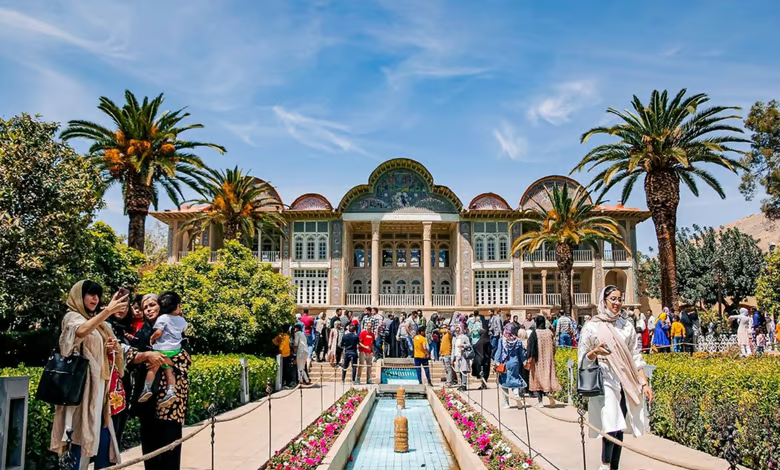
mistressesanonymous.com – The Persian garden, known for its exquisite design, lush greenery, and serene beauty, has long been considered a symbol of paradise on earth. Rooted in centuries of Persian culture and history, these gardens reflect a deep connection to nature and spiritual ideals. The concept of the Persian garden has not only shaped the landscape of Iran but has also influenced garden design across the Islamic world and beyond, including places like India and Europe.
The Origins of Persian Gardens
The history of Persian gardens dates back to ancient times, with their roots in the Achaemenid Empire (550–330 BCE) under rulers like Cyrus the Great and Darius I. The term “paradise” itself comes from the Persian word pairidaeza, meaning a walled enclosure or garden. Ancient Persian gardens were designed to provide an oasis of peace and tranquility in the arid landscapes of Iran, offering a space for relaxation, contemplation, and spiritual connection.
Gardens in ancient Persia were often walled, reflecting the concept of a paradise that was both protected and ordered. The division of space into geometric sections symbolized harmony and balance, while water, trees, and plants were seen as representations of life, fertility, and renewal.
The Chahar Bagh Design: The Heart of Persian Gardens
One of the most distinctive features of Persian gardens is the chahar bagh design, meaning “four gardens.” This layout divides the garden into four quadrants, symbolizing the four elements (earth, water, air, and fire) or the four seasons. At the center of the garden is often a pool or fountain, with channels of water flowing through the quadrants in a cross pattern.
Water played a central role in Persian gardens, both as a practical necessity in the arid climate and as a symbolic element. Flowing water represented the flow of life, purification, and divine sustenance. The presence of water in the garden also served to cool the air, creating a pleasant and refreshing atmosphere in the often-hot climate of Iran.
The chahar bagh design reflected not only physical order but also spiritual harmony. The geometry and symmetry of the gardens were intended to evoke a sense of unity between nature and the divine, embodying the Persian ideal of paradise.
Symbolism in Persian Gardens
Persian gardens were deeply symbolic, representing a connection between humanity, nature, and the divine. Gardens were often viewed as earthly representations of heaven or paradise, which is reflected in Persian literature and religious texts. The emphasis on symmetry and the use of water, plants, and shade were meant to evoke the idea of eternal bliss and peace.
Trees were an essential element of Persian gardens, representing life, wisdom, and strength. Cypress trees, for example, were often planted to symbolize eternity and resilience, while fruit trees represented abundance and nourishment. Flowers, particularly roses, symbolized beauty and love, and their vibrant colors added to the visual allure of the gardens.
Persian gardens also played an important role in Persian poetry and literature. Poets like Hafez, Saadi, and Rumi often used the imagery of gardens to convey spiritual and romantic themes. The garden became a metaphor for the soul’s journey toward enlightenment and love.
The Role of Water in Persian Gardens
Water is a defining feature of Persian gardens and serves both practical and symbolic purposes. In the dry, arid landscape of Iran, water was essential for sustaining life, and the clever use of irrigation systems, such as the qanat (underground channels), allowed the gardens to flourish.
In Persian gardens, water is often found in the form of pools, fountains, and running streams. These water features create a soothing and cooling atmosphere, making the garden a refreshing retreat from the heat. Symbolically, water represents purification, renewal, and the flow of life. In Islamic tradition, water is also associated with spiritual purity and is often featured in religious architecture and garden design.
The sound of flowing water and the reflective surfaces of pools added to the sensory experience of the garden, enhancing its peaceful and meditative qualities. Water’s reflective surface also created a sense of infinity, further emphasizing the garden’s representation of paradise.
Famous Persian Gardens
Some of the most iconic examples of Persian gardens have been preserved and celebrated for their beauty and historical significance. These gardens reflect the artistic and architectural achievements of Persian culture throughout different dynasties, including the Safavid, Timurid, and Qajar periods.
- Bagh-e Fin (Fin Garden) Located in the city of Kashan, Fin Garden is one of the most famous examples of a Persian garden. It dates back to the Safavid period (16th century) and features the traditional chahar bagh design, with flowing water, fountains, and lush greenery. The garden is also significant for its historical connections, including being the site of the assassination of Prime Minister Amir Kabir in the 19th century.
- Shah Goli (El Goli Garden) Situated in the city of Tabriz, Shah Goli is a magnificent garden featuring a large central pool and walkways lined with trees. Originally created during the Safavid period, the garden has been restored and remains a popular recreational area for locals and tourists alike.
- Eram Garden (Bagh-e Eram) Located in Shiraz, Eram Garden is a stunning example of Persian garden design with its lush greenery, colorful flowers, and flowing water channels. The garden is part of a larger complex that includes a beautiful Qajar-era palace, and it is a UNESCO World Heritage Site.
- Chehel Sotoun Garden Located in Isfahan, Chehel Sotoun is a palace garden constructed during the Safavid era. The name “Chehel Sotoun” means “Forty Columns,” referring to the twenty columns of the palace that are reflected in the pool, creating the illusion of forty columns. The garden exemplifies the grandeur and elegance of Safavid architecture and landscaping.
Persian Gardens’ Influence on Global Garden Design
The concept of the Persian garden extended far beyond Iran’s borders, influencing garden design in places like India, Spain, and Italy. One of the most famous examples is the Mughal gardens in India, including the design of the Taj Mahal’s garden, which was directly inspired by Persian chahar bagh principles.
In Spain, the Alhambra gardens in Granada also reflect Persian influences, particularly in the use of water features, geometric designs, and enclosed spaces. The Persian garden’s focus on symmetry, tranquility, and the use of water and plants as metaphors for paradise has left a lasting legacy on garden design around the world.
The Modern Revival of Persian Gardens
In recent years, Persian gardens have been recognized as important cultural and historical treasures, with many being designated as UNESCO World Heritage Sites. Efforts to preserve and restore these gardens continue, ensuring that future generations can experience their beauty and significance.
Today, Persian gardens remain a source of national pride and are admired for their aesthetic qualities and deep spiritual symbolism. They offer visitors a glimpse into the ancient traditions of Iran, where nature and human creativity come together to create a harmonious and serene environment.
Conclusion
Persian gardens are more than just beautiful landscapes; they are a reflection of the cultural, spiritual, and artistic ideals of Iranian society. The emphasis on harmony, balance, and the representation of paradise on earth has made these gardens a symbol of peace and divine connection. From ancient times to the present day, Persian gardens continue to inspire and captivate, leaving an indelible mark on garden design and cultural heritage across the world.