
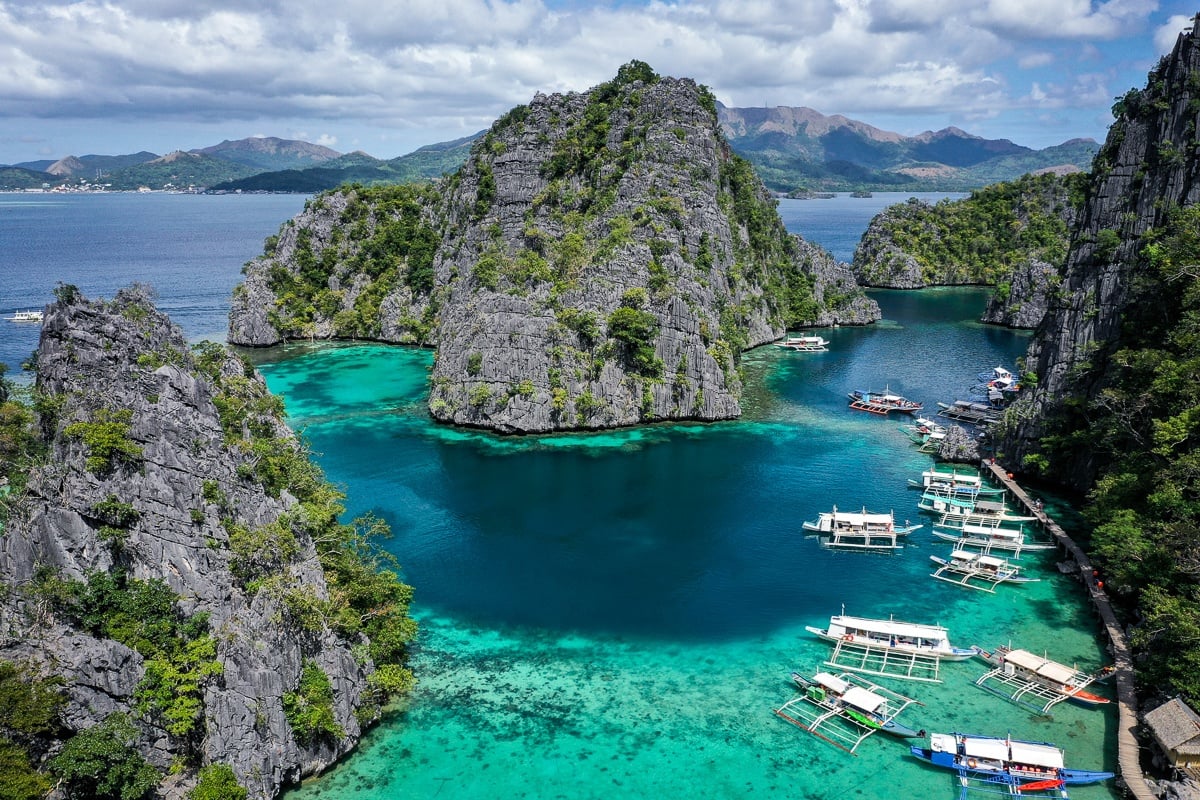
Exploring Coron Island: A Paradise in the Philippines

mistressesanonymous.com – Coron Island, part of the Calamian Islands in northern Palawan, Philippines, is a tropical paradise known for its breathtaking landscapes and vibrant marine life. Famous for its crystal-clear waters, limestone cliffs, and rich World War II history, Coron Island offers endless opportunities for adventure and relaxation. This article delves into the many wonders that make Coron a must-visit destination.

Geography and Location

Coron Island is located in the province of Palawan, often referred to as the “Last Ecological Frontier” of the Philippines. Surrounded by pristine waters and dotted with dramatic limestone formations, the island is a haven for those seeking natural beauty and tranquility. Its strategic location makes it a popular stop for travelers exploring the Palawan archipelago.

Historical Significance

World War II Shipwrecks

Coron is renowned for its historic shipwrecks, remnants of the Japanese fleet sunk during World War II. These underwater relics have transformed into thriving marine ecosystems, attracting divers from around the world. Exploring these shipwrecks offers a unique glimpse into history and the vibrant marine life that now inhabits them.

Indigenous Culture

The indigenous Tagbanwa people inhabit Coron Island, and their rich cultural heritage is an integral part of the island’s identity. Visitors can learn about their traditional practices and beliefs, which are deeply connected to the natural environment. The Tagbanwa also play a vital role in conserving the island’s natural resources.

Natural Attractions

Lagoons and Lakes

Coron Island is home to some of the most stunning lagoons and lakes in the Philippines. Kayangan Lake, often dubbed the cleanest lake in Asia, is a must-see with its crystal-clear waters surrounded by towering limestone cliffs. Barracuda Lake, known for its unique underwater thermocline, offers a surreal diving experience.

Beaches and Marine Life

The island boasts pristine beaches with powdery white sand and turquoise waters, perfect for sunbathing and swimming. Coral gardens and vibrant marine life make Coron a top destination for snorkeling and diving enthusiasts. Siete Pecados Marine Park is a popular spot known for its rich biodiversity.

Adventure Activities

Diving and Snorkeling

Coron Island is a diver’s paradise, offering everything from shallow reefs to deep shipwrecks. Snorkeling in the coral gardens provides an up-close encounter with an array of colorful fish and coral species.

Hiking and Exploration

For those who prefer to stay on land, Coron offers hiking trails that lead to breathtaking viewpoints and secluded beaches. The trek to Mount Tapyas provides a panoramic view of the island and its surrounding waters.

Challenges and Opportunities

While Coron Island is a thriving tourist destination, it faces challenges such as environmental conservation and sustainable tourism. Efforts are being made by local communities and organizations to preserve the island’s natural beauty and cultural heritage for future generations.

Conclusion

Coron Island is a true gem in the Philippines, offering a blend of history, culture, and natural beauty. Whether you’re a diver, a nature lover, or someone seeking peace and tranquility, Coron has something for everyone. Its stunning landscapes, rich marine life, and warm hospitality make it a destination that captures the heart and imagination of all who visit.

Micronesia’s Unique Geography & Biodiversity

mistressesanonymous.com – Micronesia, a collection of islands in the western Pacific Ocean, is renowned for its unique geography and rich biodiversity. This article explores the geographical features and the diverse ecosystems that make Micronesia a hotspot for biological diversity.

Geography of Micronesia

Micronesia is part of the larger region known as Polynesia-Micronesia, which encompasses over 4,500 islands and covers an area of 46,315 square kilometers. The Federated States of Micronesia (FSM) itself is a country comprising four states: Yap, Chuuk, Pohnpei, and Kosrae. The total land area of FSM is approximately 702 square kilometers, distributed across numerous small islands and atolls.

The islands of Micronesia are characterized by their volcanic origins, coral atolls, and lush tropical forests. The varied topography includes high volcanic islands, low-lying atolls, and extensive coral reefs, which contribute to the region’s unique ecological diversity.

Biodiversity in Micronesia

Micronesia is recognized as a global biodiversity hotspot, hosting a vast array of plant and animal species, many of which are endemic to the region. The area is home to over 476 globally threatened species, highlighting the importance of conservation efforts.

Plant Diversity

The plant life in Micronesia is exceptionally diverse, with many species found nowhere else on Earth. The region’s tropical climate and varied landscapes support a wide range of flora, including unique species of trees, shrubs, and flowering plants. The New York Botanical Garden has documented extensive research on the plants of Micronesia, emphasizing the need for further exploration and conservation of these unique species.

Animal Diversity

Micronesia’s animal biodiversity is equally impressive, with a variety of terrestrial and marine species. The region is home to numerous endemic bird species, reptiles, and amphibians, many of which are threatened by habitat loss and invasive species. The marine ecosystems, including coral reefs and mangrove forests, support a rich array of fish and invertebrates, contributing to the region’s ecological complexity.

Threats to Biodiversity

Despite its rich biodiversity, Micronesia faces significant challenges in preserving its unique ecosystems. Invasive species pose a major threat, impacting both native and non-native species. Conservation efforts are crucial to mitigate these threats and protect the region’s biodiversity.

Conservation Efforts

The Federated States of Micronesia has developed national strategies and action plans to conserve its biodiversity. These plans aim to enhance the quality and diversity of natural resources, ensuring sustainable management and protection of the region’s unique ecosystems. The blueprint for conserving biodiversity in Micronesia includes initiatives to protect terrestrial and inshore areas, covering approximately 19% of the country’s total area.

Conclusion

Micronesia’s unique geography and rich biodiversity make it a critical region for global conservation efforts. The diverse ecosystems, from volcanic islands to coral reefs, support a vast array of endemic species. By addressing the threats to biodiversity and implementing effective conservation strategies, Micronesia can preserve its natural heritage for future generations.