
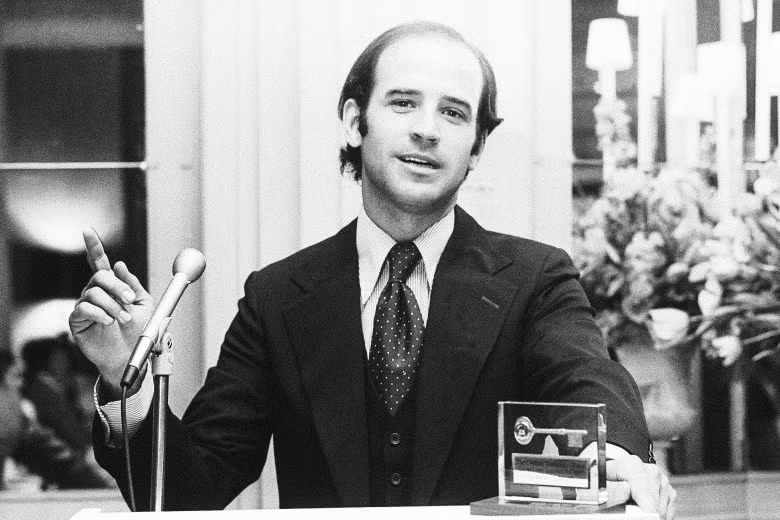
Joe Biden: Former U.S. Senator for Delaware

mistressesanonymous.com – Joe Biden, the 46th President of the United States, served as a U.S. Senator from Delaware for over three decades. His time in the Senate was marked by extensive legislative work, strong bipartisan relationships, and a commitment to issues such as foreign policy, criminal justice reform, and economic development. As one of the longest-serving senators in U.S. history, Biden’s tenure was defined by both his leadership on major national issues and his deep connection to his home state of Delaware. This article will explore Joe Biden’s career as a U.S. Senator, highlighting his key legislative achievements, his impact on American politics, and his lasting legacy in the Senate.

Early Years and Entry into Politics

Joe Biden was born on November 20, 1942, in Scranton, Pennsylvania. His family moved to Delaware when he was young, and it was in this state that Biden would later begin his political career. After graduating from the University of Delaware and Syracuse University College of Law, Biden entered the political arena in 1970, when he was elected to the New Castle County Council. His early political career was marked by his advocacy for social justice, education reform, and community development.

In 1972, at the age of 29, Biden made the ambitious decision to run for the U.S. Senate. His candidacy was met with skepticism, as he was young and relatively inexperienced in politics. However, Biden’s charisma, vision, and strong campaigning led him to a surprising victory against the incumbent, Republican Senator J. Caleb Boggs. Tragically, just weeks after his election, Biden’s wife, Neilia, and their one-year-old daughter, Naomi, were killed in a car accident. Biden faced immense personal hardship during this time, but he decided to honor his commitment to serving Delaware and began his Senate career in 1973.

A Long and Distinguished Senate Career

Biden’s career in the U.S. Senate spanned from 1973 to 2009, during which time he built a reputation as a pragmatic, hardworking legislator who could work across the aisle to get things done. Throughout his tenure, he became known for his ability to connect with constituents, his focus on foreign policy, and his leadership on issues of justice and civil rights.

Foreign Policy Leadership

One of Biden’s most significant contributions in the Senate was in the area of foreign policy. He served as a member of the Senate Foreign Relations Committee, ultimately becoming its chairman in 2001. His tenure on the committee was characterized by his deep understanding of international relations, his advocacy for diplomacy, and his focus on issues such as arms control, global security, and humanitarian intervention.

Biden played an instrumental role in shaping U.S. foreign policy during key moments in history, including the end of the Cold War and the conflicts in the Middle East. He was an early and vocal critic of the Iraq War, advocating for a more cautious approach to military intervention and calling for greater international collaboration. His work on foreign relations also included significant efforts to promote democratic values abroad, particularly in Eastern Europe and the Balkans.

Biden’s influence in foreign policy extended beyond his committee work. He was often called upon to offer guidance and advice on complex international issues, and his deep knowledge of global affairs earned him respect from both Democrats and Republicans. His bipartisan approach to foreign policy and his ability to navigate the complexities of international diplomacy made him one of the most influential senators on matters of national security.

Criminal Justice and Civil Rights Advocacy

As a U.S. Senator, Biden was also known for his work on criminal justice reform and civil rights. In the 1980s and 1990s, Biden was involved in efforts to combat drug-related crime and reduce violence, and he played a key role in crafting the 1994 Violent Crime Control and Law Enforcement Act. While the bill passed with broad bipartisan support, it has been criticized for contributing to the rise of mass incarceration, especially among communities of color. Biden later acknowledged some of the law’s negative consequences, including its role in exacerbating racial disparities in the criminal justice system. In the years following, Biden worked to address these issues and has called for reforms to the prison system, including reducing mandatory minimum sentences for nonviolent offenses.

Biden was also involved in advancing civil rights legislation throughout his Senate career. He supported measures to combat discrimination and worked on efforts to address inequality in education, housing, and employment. His dedication to improving the lives of marginalized communities was evident in his consistent support for policies aimed at creating a more just and equal society.

Bipartisan Cooperation and Legislative Achievements

Biden’s ability to work across party lines was one of his defining features in the Senate. He was known for his willingness to engage in bipartisan negotiations and compromise in order to achieve meaningful legislative outcomes. This approach earned him respect from both sides of the aisle and allowed him to pass significant pieces of legislation throughout his career.

One of Biden’s most notable legislative achievements was his role in the passage of the Violence Against Women Act (VAWA) in 1994. This landmark legislation was designed to address domestic violence, sexual assault, and stalking, and it provided critical funding for victim support services and law enforcement programs. Biden’s leadership on this issue was pivotal in ensuring that the law passed and that it included provisions aimed at improving the safety and well-being of women across the country.

Biden was also involved in passing significant legislation related to education, healthcare, and economic development. He worked on initiatives aimed at expanding access to education, particularly for low-income students, and he supported efforts to improve healthcare access for vulnerable populations. Throughout his time in the Senate, Biden was a strong advocate for policies that helped working-class families and promoted economic opportunity.

Judiciary and Constitutional Issues

Biden’s tenure as a senator also saw him play a central role in judicial nominations and constitutional issues. As the Chairman of the Senate Judiciary Committee, Biden oversaw several high-profile hearings, including the confirmation hearings for Supreme Court nominees. One of the most notable moments during Biden’s tenure as Judiciary Chairman came in 1991 during the confirmation hearing of Clarence Thomas, where Biden was responsible for managing the process.

Biden was known for his thoughtful approach to judicial nominations, advocating for fair and thorough vetting processes while also respecting the independence of the judiciary. His work on constitutional matters included efforts to protect civil liberties and uphold the principles of the Constitution.

Legacy and Impact

Biden’s legacy as a U.S. Senator is marked by his leadership, bipartisanship, and advocacy for issues that affected millions of Americans. His work on foreign policy, criminal justice, civil rights, and economic development helped shape the direction of the nation for decades. Biden’s ability to navigate the complexities of Washington, build relationships across party lines, and push for policies that promoted justice and equality earned him the respect of his colleagues and his constituents.

Throughout his Senate career, Biden remained deeply connected to Delaware, representing the state’s interests while also working to address the broader concerns of the nation. His service in the Senate allowed him to build a strong foundation for his later work as Vice President under President Barack Obama and eventually as President of the United States.

While Biden’s time in the Senate was filled with both triumphs and challenges, his enduring commitment to public service and the American people has left an indelible mark on the nation’s political landscape. As President, Biden has continued many of the principles and values that guided his work in the Senate, including a focus on unity, justice, and progress.

Conclusion

Joe Biden’s career as a U.S. Senator for Delaware was defined by his dedication to public service and his commitment to addressing the pressing issues of his time. His leadership on foreign policy, criminal justice reform, civil rights, and economic development has had a lasting impact on the nation. As one of the longest-serving senators in U.S. history, Biden’s tenure in the Senate was a testament to his ability to work across party lines, build consensus, and achieve meaningful change.

Biden’s time in the Senate laid the groundwork for his future roles as Vice President and President, and his legacy as a legislator will be remembered as a testament to his devotion to improving the lives of all Americans. As President, Biden continues to carry forward the lessons and values from his time in the Senate, always striving to create a more just, equitable, and prosperous society.
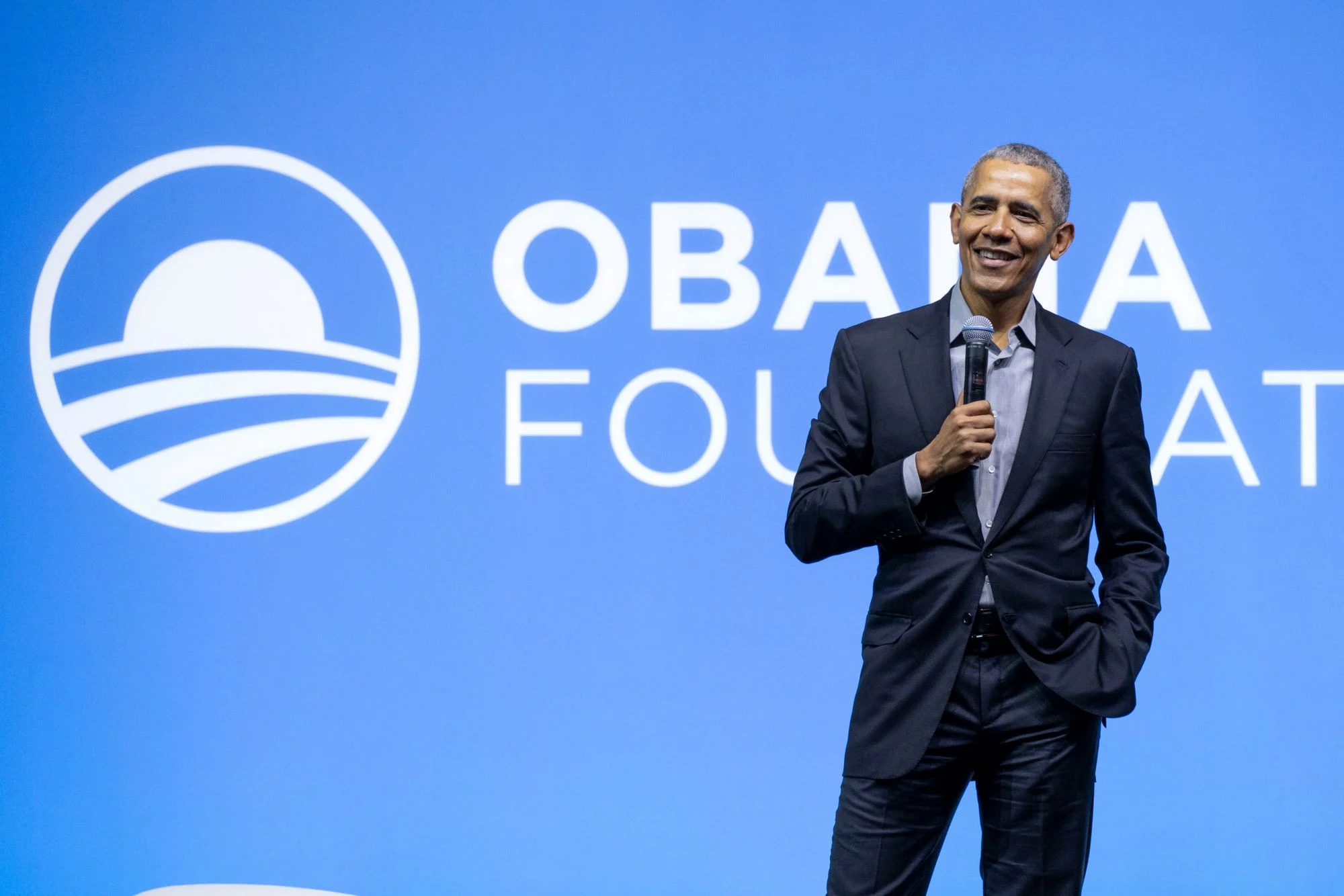
Barack Obama: During the Operation to Kill Osama bin Laden

mistressesanonymous.com – One of the most defining moments of Barack Obama’s presidency came on May 2, 2011, when U.S. Navy SEALs, acting on the orders of the Obama administration, conducted a covert operation that led to the death of Osama bin Laden, the mastermind behind the September 11, 2001 attacks. This historic mission, known as Operation Neptune Spear, marked a turning point in the global fight against terrorism, and Obama’s role in overseeing the operation significantly shaped his legacy as a commander-in-chief.

In this article, we will delve into the events leading up to the mission to kill Osama bin Laden, the key decisions made by President Obama, the execution of the operation itself, and the long-term impact of bin Laden’s death on the U.S. and the world. We will also examine how this mission affected Obama’s presidency and his place in history.

The Hunt for Osama bin Laden: A Decade of Pursuit

The hunt for Osama bin Laden, leader of the terrorist organization al-Qaeda, had been one of the United States’ top priorities for nearly a decade after the September 11 attacks. Bin Laden’s role in orchestrating the deadliest terrorist attack on American soil made him Public Enemy No. 1, and the U.S. government had been working tirelessly to locate and capture or kill him. Following the 9/11 attacks, the U.S. launched the War on Terror, which included military actions in Afghanistan aimed at dismantling al-Qaeda and its allies.

Bin Laden, however, had managed to evade capture for years, despite being one of the most wanted individuals in the world. After the U.S. invasion of Afghanistan in 2001, bin Laden fled to Pakistan and remained hidden in a compound in the city of Abbottabad, located near the Pakistani military academy. The U.S. government, through a combination of intelligence gathering, surveillance, and covert operations, gradually narrowed down his whereabouts.

By the time Barack Obama took office in 2009, the search for bin Laden had become a focal point of U.S. counterterrorism efforts. Despite significant progress in the fight against terrorism, bin Laden’s capture or death remained elusive, and his presence continued to symbolize the ongoing threat posed by al-Qaeda. Obama inherited the responsibility of handling this mission, which would come to define his presidency.

The Obama Administration’s Decision to Act

Once in office, Obama was briefed on the ongoing efforts to locate Osama bin Laden. By early 2011, U.S. intelligence officials had gathered enough evidence to believe that bin Laden was living in a large, fortified compound in Abbottabad. This compound, which was located in a suburban neighborhood, had been under surveillance for months, and the CIA had begun to piece together intelligence that linked it to bin Laden. However, there were still uncertainties about whether bin Laden was indeed there, and the intelligence was not definitive.

In March 2011, Obama convened a series of high-level meetings with his national security team to discuss the intelligence and decide on a course of action. The decision to proceed with the mission was fraught with risks. A failed operation could result in the loss of American lives, diplomatic fallout with Pakistan, and the potential for bin Laden to escape once again. On the other hand, if successful, the mission would bring justice to the victims of 9/11 and deal a major blow to al-Qaeda’s leadership.

After reviewing the evidence and considering the risks, Obama authorized the operation on April 29, 2011, during a meeting of his national security team at the White House Situation Room. Obama and his advisers, including then-CIA Director Leon Panetta, Defense Secretary Robert Gates, Secretary of State Hillary Clinton, and Joint Chiefs Chairman Admiral Mike Mullen, all debated the best approach. Ultimately, they decided to go forward with a daring plan: to send a team of Navy SEALs from SEAL Team 6 into Abbottabad to raid the compound and kill or capture bin Laden.

Key Moments in Obama’s Decision-Making Process:

  • Risk and Reward: Obama carefully weighed the potential consequences of the mission, knowing that failure could result in a major diplomatic crisis, particularly with Pakistan, a crucial U.S. ally in the region.
  • Consulting Experts: Obama relied on the advice of his military and intelligence experts, who assured him that the intelligence on the compound was strong enough to warrant the mission, though there remained some uncertainty.
  • Secrecy and Security: The operation was kept under tight wraps to prevent leaks and ensure the safety of the Navy SEAL team. Only a small circle of advisers knew about the mission before it was carried out.

Once the decision was made, the team moved quickly to prepare for the operation. Obama remained personally involved, staying in close contact with his advisers and receiving regular updates in the Situation Room as the operation unfolded.

Operation Neptune Spear: The Mission to Kill Osama bin Laden

On the night of May 1, 2011, the Navy SEALs embarked on Operation Neptune Spear, which would culminate in the death of one of the world’s most wanted terrorists. The mission was launched from Afghanistan and involved a helicopter assault on the compound in Abbottabad. The operation was carried out under the cover of darkness to minimize the risk of detection and to ensure the safety of the SEAL team.

The compound itself was a large, heavily guarded structure, and the SEAL team faced significant challenges in infiltrating it. Despite encountering unexpected resistance, including the death of a member of the SEAL team, the operation proceeded with precision. Bin Laden was located in a third-floor bedroom of the compound. After confirming his identity, the SEAL team fatally shot him. His body was taken into U.S. custody.

The SEAL team also collected valuable intelligence from the compound, including documents and electronic materials that provided insights into al-Qaeda operations. The mission lasted around 40 minutes, and by the early hours of May 2, bin Laden was dead.

Key Facts About Operation Neptune Spear:

  • Mission Execution: The mission was executed with military precision by Navy SEALs from SEAL Team 6, also known as DEVGRU, who are considered among the most elite special forces in the world.
  • Helicopter Assault: Two helicopters were used to insert the SEAL team into Abbottabad. One helicopter crashed due to a mechanical failure but was destroyed on site to prevent it from being captured.
  • Bin Laden’s Death: Bin Laden was killed in a firefight in his compound. His death marked the end of a decade-long search for the al-Qaeda leader.
  • No U.S. Casualties: Despite the risks, the mission was carried out without any casualties to the U.S. forces involved.

President Obama’s Role During the Operation

During the operation, President Obama remained in the White House Situation Room, closely monitoring the progress of the mission. As the mission unfolded, Obama was regularly updated by his national security team. The decision to carry out the mission was a testament to Obama’s leadership, as he showed great resolve in the face of uncertainty and danger. His calm demeanor during the operation reflected his experience and ability to make critical decisions under pressure.

When the news of bin Laden’s death was confirmed, Obama addressed the nation in a televised speech on the night of May 1, 2011. In his address, Obama confirmed that bin Laden had been killed and that justice had been served for the victims of 9/11. He praised the bravery of the U.S. Navy SEALs and intelligence officers who had made the mission a success, and he stressed that the fight against terrorism would continue.

Key Points in Obama’s Address:

  • Justice for 9/11 Victims: Obama emphasized that bin Laden’s death was a major step in bringing justice to the victims of the September 11 attacks.
  • Ongoing Fight Against Terrorism: Obama made it clear that while bin Laden’s death was a significant victory, the war on terrorism was far from over. He called for continued vigilance and cooperation in the fight against al-Qaeda and other extremist groups.
  • Unity and Resolve: Obama used the moment to bring the country together, urging Americans to remain united in the face of terrorism and to honor the sacrifices made by U.S. military personnel.

The successful operation to kill Osama bin Laden was celebrated across the United States, and Obama’s leadership during the mission was widely praised. However, it also marked a sobering reminder that terrorism and extremism were still global threats requiring ongoing attention.

The Aftermath: Impact and Legacy

The death of Osama bin Laden was a significant moment in the fight against terrorism. For many Americans, it symbolized the fulfillment of a long-awaited promise of justice for those killed in the 9/11 attacks. It also provided a sense of closure for the families who had lost loved ones on that tragic day.

For Obama, the successful operation bolstered his standing as a strong and capable commander-in-chief. The mission not only provided a major national security victory but also solidified Obama’s image as a leader who was willing to make difficult decisions for the good of the country.

However, bin Laden’s death did not signal the end of al-Qaeda or terrorism. While it was a significant blow to the organization, the global threat posed by terrorism persisted. In the years following bin Laden’s death, Obama continued to focus on counterterrorism efforts, including drone strikes and special operations targeting other high-ranking al-Qaeda leaders.

The operation also had political implications. Obama’s approval ratings soared in the wake of bin Laden’s death, and many Democrats pointed to the success of the mission as evidence of Obama’s strong leadership. Conversely, his critics questioned the broader implications of the operation, particularly in relation to U.S. relations with Pakistan and the ongoing challenges in the War on Terror.

Conclusion: Obama’s Legacy as a Commander-in-Chief

The operation to kill Osama bin Laden was a defining moment in Barack Obama’s presidency. His leadership, decision-making, and calm resolve during the mission not only resulted in the death of the world’s most wanted terrorist but also reinforced his legacy as a strong and decisive commander-in-chief. The success of Operation Neptune Spear was a testament to the dedication and sacrifices of U.S. military and intelligence personnel, and it remains one of the most significant achievements in the fight against terrorism in modern history.